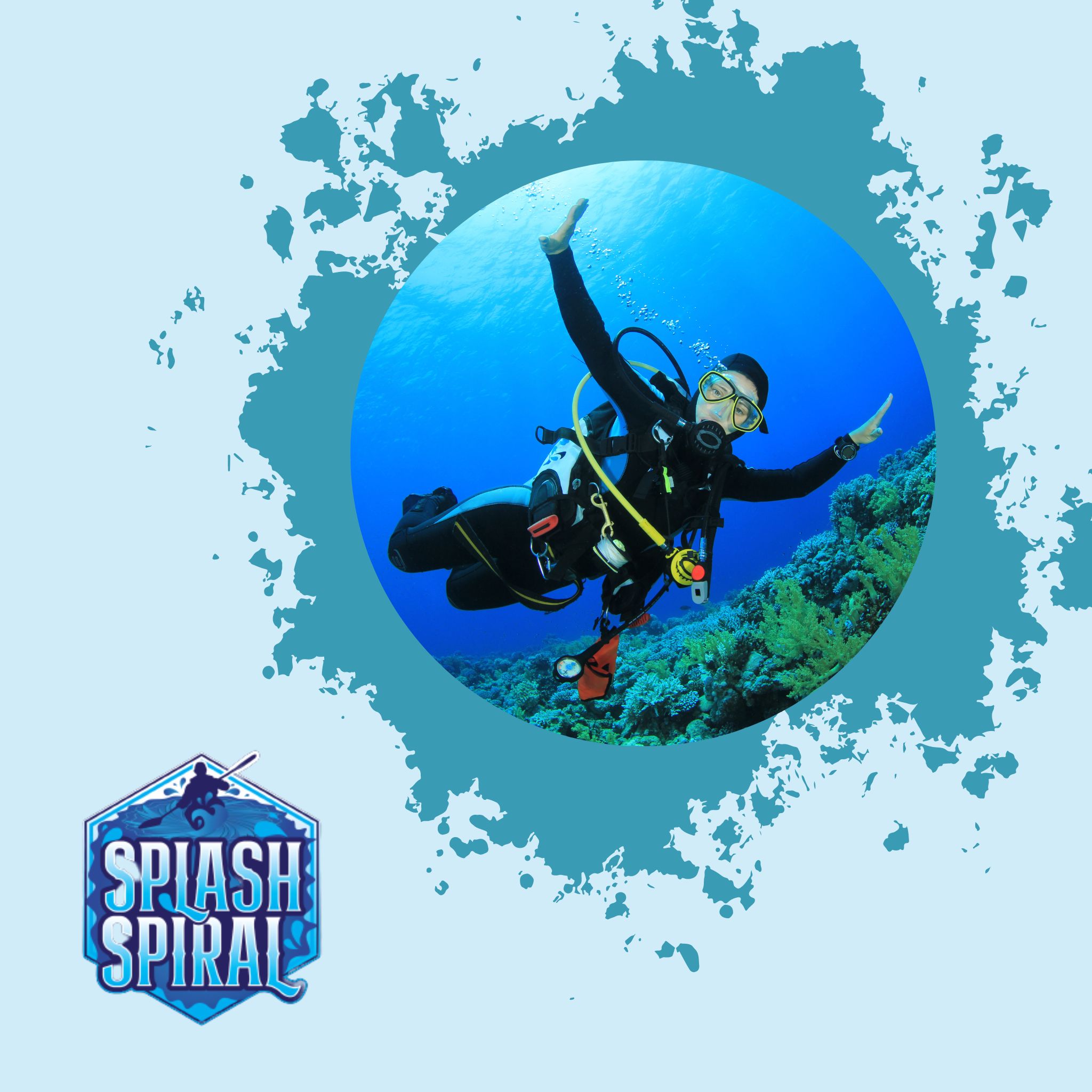
Scuba diving is an exhilarating activity that allows us to explore the beautiful and mysterious world beneath the waves. However, proper weighting is essential to ensure a safe and enjoyable dive.
A diver who is improperly weighted may struggle with buoyancy control, making it difficult to maintain proper depth and stay comfortable underwater. As a scuba instructor, I have seen firsthand how important it is for divers to take their weight requirements seriously.
Without proper weighting, even the most experienced divers can struggle with buoyancy control and put themselves at risk. In this article, we will explore the factors that affect weight requirements in scuba diving and provide tips for choosing the right type of weights and distributing them for optimal buoyancy control.
Personal Experience: Dealing with Weight Issues Underwater
Throughout my years of diving, I have struggled with finding the right amount of weight for each dive. Like many divers, I started out over-weighted due to fear of sinking or not being able to descend quickly enough. However, this made it difficult to maintain buoyancy control throughout my dives.
On one particularly challenging dive in Thailand, I found myself constantly struggling against my own weight as I tried to swim against strong currents while carrying too much ballast. It was a frustrating experience that left me exhausted and drained by the end of the dive.
Since then, I have learned how important it is to take into account all of the factors that affect weight requirements when planning a dive. By carefully calculating my weight needs based on body composition, water temperature and other variables before each dive, I am now able to achieve effortless neutral buoyancy underwater while conserving energy for longer dives.
Factors Affecting Weight Requirements
Body Composition and Buoyancy Control
One of the most important factors affecting weight requirements when scuba diving is body composition. A person’s weight, height, and body fat percentage can impact their buoyancy control underwater. If a diver is overweight or has a higher body fat percentage, they will naturally float more than someone who is leaner.
This can lead to difficulty controlling buoyancy and cause frustration during a dive. Buoyancy control is essential in scuba diving because it affects how much air a diver consumes during a dive.
The more control a diver has over their buoyancy, the less air they will use, extending their bottom time. To achieve optimal buoyancy control, divers should aim to be neutrally buoyant – neither sinking nor floating – at their safety stop depth while wearing an empty tank.
Water Temperature and Exposure Protection
Water temperature and exposure protection also play a role in determining weight requirements for scuba diving. When diving in colder water temperatures, thicker wetsuits or drysuits are necessary to maintain warmth and avoid hypothermia. These thicker suits add more bulk to the diver’s profile, requiring additional weight to maintain neutral buoyancy.
Conversely, diving in warmer waters with minimal exposure protection requires less weight because there is less gear adding bulk to the diver’s profile. It’s essential for divers to have enough weight to stay submerged but not so much that they are negatively buoyant when they’re trying to swim towards the surface.
Tank Size and Air Consumption Rate
The size of the tank used during a dive also impacts the amount of weight required for buoyancy control. Larger tanks hold more air but are heavier than smaller tanks even when empty.
A larger tank means that less air needs to be added or removed from it during the dive, reducing fluctuations in buoyancy. However, larger tanks may require additional weight to offset their heaviness.
The air consumption rate of a diver also affects the weight required for optimal buoyancy control. Divers who consume more air during a dive require more weight to achieve neutral buoyancy.
This is because as a diver uses up their air supply, the weight of their gear lessens, causing them to become positively buoyant and float towards the surface if they are not properly weighted. By taking into account these factors and calculating weight requirements accurately, divers can ensure they have an enjoyable and safe experience underwater.
Calculating Weight Needs
Using a Dive Computer or Dive Tables to Determine Weight Requirements
One of the most important factors in scuba diving is proper weighting. Too much weight can make it difficult to maintain proper buoyancy, while too little weight will cause you to float uncontrollably.
So how do you determine the correct amount of weight for your dive? There are two primary methods for calculating your weight needs: using a dive computer or using dive tables.
A dive computer takes into account several variables, such as your body composition and tank size, and calculates the exact amount of weight you need based on that information. Dive tables are a more manual approach that use depth and time to calculate your overall buoyancy needs.
Adjusting Weights Based on Personal Comfort and Buoyancy Control
Even with the help of a dive computer or dive tables, it’s important to remember that weight requirements are not one-size-fits-all. You may have different buoyancy needs than another diver with similar body composition and equipment.
Once you have determined your initial weight requirements, it’s important to adjust them based on personal comfort and buoyancy control. For example, if you find yourself struggling to maintain neutral buoyancy during a dive despite having calculated the correct amount of weight according to your dive computer or tables, then adjusting your weights may be necessary.
It is recommended that divers perform test dives in controlled environments before making any changes in their weighting system. It’s also important never exceed manufacturer guidelines when adjusting equipment such as BCs or weights during diving activities as this increases risks associated with diving injuries
Choosing the Right Type of Weights
Options for weight placement: Belt, Integrated, Ankle
When it comes to scuba diving, one of the most important decisions you’ll have to make is what type of weight system you’ll use. The three most common options are a weight belt, integrated weights, or ankle weights. Each type has its own pros and cons that are important to consider before making your decision.
Weight Belt
A weight belt is a traditional method of weighting yourself for a dive. It consists of a nylon or rubber belt that fits around your waist with pockets attached to hold lead weights. The benefit of using a weight belt is that it’s easy to adjust and allows for quick changes if needed during the dive.
Additionally, if you’re diving in cold water with thick exposure protection gear, then you can simply add more weight when necessary. However, there are also some downsides to using a weight belt.
First and foremost is that it can be uncomfortable around your waist after an extended period underwater. Secondly, the distribution of the weights may not be even which can cause unbalanced buoyancy.
Integrated Weights
Integrated weights are built into some scuba diving BCDs (buoyancy control devices). This system allows you to ditch all your weights at once in case of an emergency while maintaining buoyancy control through the BC’s inflatable bladder system.
One advantage with integrated weights is even distribution because they’re placed on either side of your tank mount or along the backplate where they sit snugly against your back providing comfort especially when swimming horizontally. However integrated systems cannot easily accommodate adding or removing weights during dives and may not allow divers to achieve their optimal centre-of-gravity point because these systems do not offer as many customization options as belts do.
Ankle Weights
Ankle weights are the least common type of weighting system used in scuba diving. As the name suggests, these weights attach to your ankles and help to keep your legs down. Ankle weights can be beneficial for divers who have trouble maintaining proper body position or those who want more precise control over their buoyancy.
However, some divers find ankle weights uncomfortable and awkward. Additionally, if not sized properly they may limit foot mobility and swimming efficiency, ultimately requiring more energy to swim against the added weight.
Ultimately, whatever weight system you choose, make sure it’s comfortable and allows for even distribution of the weights throughout your body. You don’t want anything getting in the way of a great dive!
Common Mistakes to Avoid
Scuba diving is a sport that requires careful planning and attention to detail. One of the most important aspects of planning a dive is ensuring that you have the proper amount of weight. However, many divers make common mistakes when it comes to weight, which can impact their safety and enjoyment underwater.
One mistake to avoid is overweighting. Many divers believe that more weight will help them descend faster or stay down longer.
However, this can lead to an uncontrolled descent or difficulty reaching the surface in an emergency situation. Additionally, being overweighted can cause strain on your body and lead to exhaustion more quickly during a dive.
It’s important to only use the necessary amount of weight needed for proper buoyancy control. On the other hand, underweighting is also a common mistake that can be dangerous.
Not having enough weight means you will struggle to descend and maintain depth during your dive, leading to unnecessary energy expenditure and increasing air consumption rate. This can increase your risk of drowning if you run out of air before surfacing or suffer from decompression sickness if you ascend too quickly due to poor buoyancy control caused by underweighting.
Importance of Regular Weight Checks During a Dive
Once you’ve determined how much weight you need for your dive, it’s important to regularly check that you still have the right amount throughout your underwater adventure. Your body composition may change as your tank empties and buoyancy changes with air consumption rate; thus requiring adjustment on occasion. Regularly checking your weight ensures optimal buoyancy control which helps reduce fatigue levels during diving since less energy is required for movement in water.
Performing regular checks also helps prevent serious consequences such as losing balance underwater or running out of air before surfacing due buoyancy issues as well as avoiding decompression sickness caused by ascending too fast after improper weighting adjustments due changes in body composition. It’s important to make sure you have the right amount of weight from the beginning and continue to check regularly throughout your dive.
Tips for Proper Weight Distribution
Balancing Weights for Optimal Buoyancy Control
One of the keys to achieving optimal buoyancy control while scuba diving is proper weight distribution. This means placing your weights in a way that balances the weight throughout your body, and not just in one area. The easiest way to achieve this is by using a weight belt that has multiple weights placed evenly around it.
Another important consideration when balancing your weights is to avoid positioning them too high or too low on your body. If the weights are too high, then you will be top-heavy and struggle to maintain proper buoyancy control, while if they are too low, you will be bottom-heavy and also face challenges in maintaining proper buoyancy control.
Adjusting Weights Throughout the Dive as Necessary
It’s important to remember that as you dive deeper or become more relaxed during your dive, your buoyancy needs may change. As a result, it’s essential that you adjust your weights as necessary throughout the dive. For example, if you notice yourself sinking faster than expected while descending into deeper waters, consider removing some of your weights or shifting their position.
Similarly, if you’re having difficulty staying still at depth due to currents or other factors (like strong fin kicks), then adjusting your weight distribution can also help significantly with maintaining control underwater. It’s important not to be afraid of making changes as needed during the dive since having proper buoyancy control is crucial for both safety and enjoyment while diving.
Conclusion
Summary of key points on scuba diving and weight requirements
Scuba diving is an exciting and rewarding activity, but it requires a certain level of understanding and preparation. Proper weighting is essential for a safe and enjoyable dive. When determining your weight needs, there are several factors to consider such as body composition, water temperature, tank size, and air consumption rate.
Using a dive computer or tables can help you calculate the necessary weight for your dive. It’s important to choose the right type of weights based on your personal preference and comfort level.
You can opt for a weight belt, integrated weights or ankle weights depending on what works best for you. Avoid the common mistakes of overweighing or underweighing by regularly checking your weight during the dive.
To distribute your weights properly, balance them out evenly so that you have optimal buoyancy control throughout the dive. Be prepared to adjust your weights as necessary during the dive to maintain neutral buoyancy.
Overall, with proper planning and preparation, scuba diving can be a fun and exhilarating experience that allows you to explore the wonders of underwater world. Take some time to learn about scuba diving before jumping in- it will enhance your enjoyment of this amazing sport!