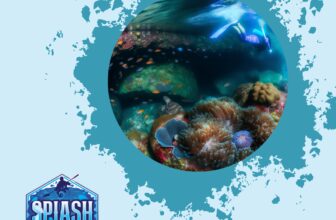
Deep-sea conservation is a complex yet crucial focus in marine conservation. A particularly intriguing area is the “Twilight Zone” – a unique part of the ocean that lies between 200 and 1,000 meters below the surface, where light starts to fade, but the underwater life is no less vibrant or essential. Understanding and addressing the conservation challenges in this region is vital for preserving global biodiversity and maintaining healthy oceanic ecosystems.
Introduction
Deep-sea conservation might sound like something out of a sci-fi movie, but it's a real and pressing issue. Keeping our deep-sea habitats intact is just as important as conserving rainforests or any other ecosystems on the planet. These deep-sea environments are home to countless species, many of which we haven't even discovered yet. Similar to land ecosystems, every creature in the ocean plays a role in maintaining environmental balance and health.
The Twilight Zone
Let's zero in on a fascinating part of the deep sea known as the "Twilight Zone." No, it's not just a creepy TV show. This region lies between 200 and 1,000 meters below the surface of the ocean. In the Twilight Zone:
- Sunlight starts to fade,
- Marine life is diverse and vibrant, &
- Some species can even glow in the dark.
This zone is special because it serves as a critical transition area between the sunlit surface waters and the dark depths below.
Challenges to Life in the Twilight Zone
Life in the Twilight Zone faces serious challenges. Human activities such as:
- Overfishing,
- Pollution
have taken a significant toll. Imagine dumping tons of plastic and chemicals where you're getting your air supply—that's what it's like for sea creatures here. Additionally, climate change wreaks havoc by altering ocean temperatures and acidity levels, making survival tougher for these species.
Why Deep-Sea Conservation Matters
So, why should you care? Keeping the Twilight Zone's ecosystems healthy is crucial not just for the species living there, but also for the overall health of our oceans. These deep-sea habitats:
- Contribute to global biodiversity,
- Help sustain our planet in ways we're only beginning to understand.
Understanding and protecting our deep-sea environments is essential for maintaining the intricate balance of life that supports us all.
Understanding Deep-Sea Habitats
Definition and Characteristics
Diving into the deep sea, we enter a world vastly different from the colorful coral reefs and bustling coastal waters most divers know. A deep-sea habitat is generally considered any marine environment found at depths greater than 200 meters. Here, sunlight fades and temperatures drop, creating a stark landscape many might find inhospitable. Yet, these seemingly desolate regions are teeming with life, from bioluminescent fish to bizarrely shaped invertebrates.
Importance of Biodiversity
Deep-sea ecosystems, particularly those in the Twilight Zone, are critical reservoirs of biodiversity. Despite the challenging conditions, these habitats are home to numerous species, many of which are yet to be discovered or fully understood. This biodiversity is essential not only because it supports unique marine life but also because it underpins broader ocean health. For instance, deep-sea organisms play a role in nutrient cycling and carbon sequestration, processes that have global impacts, including climate regulation.
The Twilight Zone's Unique Environment
The Twilight Zone, stretching from 200 to 1,000 meters below the surface, presents an environment where the last rays of sunlight fade, giving way to a world reliant on other means of survival. Here, the absence of light drives an unusual array of adaptations among its inhabitants. Bioluminescence becomes a common trait, with organisms producing their light to attract prey, deter predators, or communicate.
Physically, this zone tests the limits of life: pressures are high, temperatures are low, and food is scarce. Many creatures have adapted by developing slow metabolisms, specialized feeding habits, and symbiotic relationships. For example, some fish have large, upward-facing eyes to maximize the scant light available, while others rely on a diet of "marine snow" – a continuous shower of organic material falling from the upper layers of the ocean.
Understanding these unique characteristics is crucial for conservation efforts. Protecting the Twilight Zone means safeguarding a complex web of life that, despite its obscurity, is integral to the health of our planet's oceans.
Major Challenges in Deep-Sea Conservation
When diving deep into the heart of the ocean, especially in the Twilight Zone, there are numerous challenges that need to be addressed to ensure the conservation of these unique and vital ecosystems. Understanding these challenges is the first step towards implementing effective conservation strategies.
Threats to Biodiversity
Overfishing
Overfishing is a significant threat to the biodiversity of the Twilight Zone. As demand for seafood continues to rise, fishing industries are reaching deeper into the ocean, depleting fish stocks and disrupting the ecological balance. Species such as the orange roughy, which can live for over a century, are particularly vulnerable due to their slow reproduction rates. The removal of these key species can result in cascading effects throughout the marine food web, ultimately jeopardizing the health of the entire ecosystem.
Pollution
Pollution is another formidable challenge. The Twilight Zone is not immune to the impacts of surface-level pollution. Plastics and chemical contaminants can sink and accumulate in these depths, posing serious risks to marine life. Microplastics, in particular, have been found in the stomachs of deep-sea creatures, affecting their health and reproductive capabilities. Moreover, toxic chemicals from industrial runoff can disrupt the hormonal and reproductive systems of marine organisms, leading to further declines in biodiversity.
Climate Change
Climate change exacerbates the challenges faced by deep-sea ecosystems. Rising sea temperatures and ocean acidification can alter the delicate balance of the Twilight Zone. Many species are adapted to narrow temperature ranges, and even slight increases in temperature can result in habitat loss and species migration. Additionally, increased levels of carbon dioxide absorbed by the ocean lead to acidification, which can dissolve the calcium carbonate structures that many deep-sea organisms rely on for their skeletal formation.
Human Activities and Their Impact
Industrial Exploitation
The industrial exploitation of deep-sea resources, including mining and drilling, poses a severe threat to the Twilight Zone. The extraction of minerals and fossil fuels from the seabed can result in physical disturbances, habitat destruction, and the release of harmful substances. For instance, deep-sea mining for polymetallic nodules disturbs vast areas of the seabed, uprooting slow-growing corals and sponges, which are crucial for maintaining the ecosystem's structure.
Tech Advancements
Technological advancements present a double-edged sword in deep-sea conservation. On one hand, improved technology allows for better exploration and understanding of the Twilight Zone, aiding conservation efforts through enhanced data collection and monitoring. On the other hand, it also enables more efficient exploitation of deep-sea resources. For example, advancements in remote-operated vehicles (ROVs) and autonomous underwater vehicles (AUVs) facilitate deeper and more precise drilling and mining operations, increasing the potential for ecological damage.
Addressing these challenges requires a nuanced approach that balances technological gains with stringent conservation measures. Collaborative efforts between governments, industries, and conservation groups are essential to develop and implement effective strategies for the protection of the Twilight Zone. Only through concerted and informed actions can we hope to preserve the rich biodiversity and unique ecosystems that lie hidden in the ocean's depths.
Marine Conservation Efforts and Strategies
Existing Measures
Deep-sea conservation isn't just about understanding the problems; it's equally pivotal to consider the measures in place to tackle these issues. One of the cornerstone strategies employed in marine conservation is the establishment of Marine Protected Areas (MPAs). These zones serve as safe havens where human activities like fishing, drilling, and mining are either restricted or completely banned. MPAs can significantly benefit both dive enthusiasts and marine ecosystems by preserving biodiversity and allowing ecosystems to thrive without human-induced stress. A deeper dive into the benefits of MPAs can be found here.
On a global scale, international agreements play a crucial role in safeguarding marine life. Treaties like the United Nations Convention on the Law of the Sea (UNCLOS) and various conventions led by organizations such as the International Maritime Organization (IMO) aim to establish guidelines and protective measures for marine environments. These agreements lend a collaborative approach to conservation, pushing countries to work together to address the pressing issues faced by deep-sea ecosystems.
Innovative Approaches
Innovation is at the heart of effective marine conservation strategies. Ongoing deep-sea research is vital in this regard; not just to discover new species and ecosystems but to understand how best to protect them. Research expeditions employing advanced technologies like remotely operated vehicles (ROVs) and autonomous underwater vehicles (AUVs) allow scientists to explore the Twilight Zone without causing significant disruption to its inhabitants. The data gathered from these missions offers valuable insights into the complexities of deep-sea life and informs targeted conservation strategies.
Another exciting frontier in deep-sea conservation is restoration projects. Unlike shallow water habitats, deep-sea ecosystems are harder to rehabilitate due to their unique conditions and slower rates of growth and reproduction. However, efforts such as coral transplanting and artificial reef construction are being adapted to suit the deep-sea environment. These projects aim to restore damaged habitats, encouraging them to return to a more vibrant and resilient state.
Conserving the Twilight Zone isn't just a task for scientists and policymakers; it's a collaborative effort that requires the involvement of technology, local communities, and international agreements to truly make a difference. By embracing both existing measures and innovative approaches, we can stride towards a future where the mysteries of the deep-sea continue to unfold and thrive.
The Role of Ocean Exploration
Getting to know the Twilight Zone isn't just a matter of curiosity; it's a pivotal part of groundwork in marine conservation. Why? You see, without understanding what's down there, we can't effectively work towards protecting it. The less we know, the harder it is to advocate and implement measures to safeguard these deep-sea wonders from all the threats they face.
Importance of Exploration
Think of ocean exploration as the map-making of conservation. We need these underwater road maps to understand the lay of the land—and by land, we mean the mysterious depths between 200 and 1,000 meters where sunlight fades and the bizarre, fascinating life forms come alive. Exploring these depths helps us identify critical habitats, understand biodiversity hot spots, and discover how species interact within this dimly lit world.
With diving technology advancing rapidly, researchers can now go deeper and stay longer, capturing data and samples that were previously out of reach. This wealth of information aids in the creation of more targeted and effective conservation strategies. By revealing unknown species and new behaviors, exploration also helps drive public interest and support for marine conservation efforts.
Latest Discoveries
The Twilight Zone holds no shortage of surprises. Recent expeditions have unearthed some jaw-dropping discoveries, such as new species of bioluminescent animals that use light to communicate or attract prey. There's also been the identification of underwater mountain ranges that serve as biodiversity hotbeds, offering sanctuary to an eclectic mix of marine life.
These findings do more than just add names to the list of Earth's species; they have profound implications for biodiversity protection. For instance, understanding the breeding grounds and migration routes of deep-sea species is vital for setting up marine protected areas (MPAs) that actually work. Knowing the role each creature plays in the bigger picture helps tailor conservation actions that maintain the delicate balance of these ecosystems.
As you consider diving into this world—literally and figuratively—know that your curiosity and passion contribute to a greater cause. By backing deep-sea exploration and educating yourself, you add another layer to the armor protecting our oceans. Dive in, discover, and become an advocate for these hidden realms. The Twilight Zone needs more voices to shed light on its dark corridors.
Challenges in Policy Implementation
Creating and enforcing policies for deep-sea conservation is no walk in the park. Regulatory hurdles abound, often stemming from the sheer complexity of ocean governance.
Regulatory Hurdles
- Fragmented Management: Unlike land territories, which are neatly divided among nations, the ocean—particularly the deep sea—falls under a mix of national jurisdictions and international waters. This fragmented management can stall comprehensive conservation efforts.
Funding Issues
- High Costs: Conservation programs, especially those targeting elusive, deep-sea environments like the Twilight Zone, are expensive.
- Financial Limitations: Equipment for deep-sea exploration and monitoring isn't cheap, and financial limitations frequently lead to shortcuts or delayed projects.
- Sustained Financial Backing: Without sustained and substantial financial backing, many conservation initiatives flounder before they can truly make an impact.
Coordination Challenges
- Need for Collaboration: Effective deep-sea conservation requires countries, organizations, and researchers to work together seamlessly.
- Inconsistent Regulations: Differing national interests and regulations can hinder coordinated action.
- Communication Gaps: A lack of communication can result in duplicated efforts or gaps in coverage, weakening the overall effectiveness of conservation strategies.
Solutions
- Streamlined Regulations: Addressing these challenges requires a concerted push for streamlined regulations.
- Increased Funding: Enhanced and sustained financial support is crucial.
- Enhanced International Collaboration: Improved coordination among nations and organizations can help overcome policy implementation barriers.
By working together more effectively, we can hope to overcome the policy implementation barriers that currently impede our progress in conserving the deep-sea habitats of the Twilight Zone.
How Divers Can Contribute
Advocacy
First off, advocacy is key. As a diver, you have a unique perspective and firsthand experience that many people don’t. Use that to your advantage. Talk to your friends, family, and social networks about the importance of deep-sea conservation. Share your underwater experiences and the critical role these ecosystems play in global biodiversity. Consider joining or supporting organizations focused on marine conservation. Your voice can amplify the urgent need for policies and practices to protect our deep-sea habitats.
Sustainable Diving Practices
When it comes to diving, small actions on your part can make a big difference. Here are some straightforward tips to keep your dives sustainable:
-
Mind Your Buoyancy: Mastering buoyancy control is crucial. Not only does it help you conserve energy and air, but it also prevents you from accidentally damaging the delicate marine life and structures under the sea.
-
Choose Eco-Friendly Gear: Look for dive equipment that is made sustainably and designed to reduce your impact on the underwater environment. For instance, use reef-safe sunscreen to avoid releasing harmful chemicals into the water.
-
Avoid Disturbing Marine Life: Observe, don’t touch. Resist the urge to interact physically with marine life. Be mindful of your fins and equipment, ensuring they don’t harm corals or other organisms.
-
Participate in Cleanup Dives: These are organized dives specifically aimed at removing trash and debris from the ocean floor. Join one if you can, or start your own small cleanup efforts. Even a single piece of removed plastic makes a difference.
-
Educate Yourself Continually: Stay informed about the current challenges and advancements in marine conservation. Websites like Splash Spiral’s scuba diving guide and further resources here offer valuable information on sustainable diving practices and conservation efforts.
By incorporating these sustainable practices into your diving routine and advocating for deep-sea conservation, you can play a vital role in preserving the enchanting ecosystems of the Twilight Zone. Your contributions, however small they may seem, add up and can inspire others to join the cause. Let’s dive responsibly and talk passionately about the deep sea, ensuring its wonders are protected for generations to come.
Encouraging Global Action
Public Awareness
Creating widespread awareness about the importance of deep-sea conservation is the cornerstone of any meaningful effort in this field. Every beginner diver or aspiring ocean explorer should understand that awareness leads to action. Next time you’re at a diving seminar or an ocean-themed event, don’t hesitate to ask about the Twilight Zone and its conservation status. Share this information casually in your social circles—sometimes, a simple conversation can spark an interest that leads to greater support.
Social media can be a powerful tool. Use your platforms to share personal diving experiences, emphasize the beauty and fragility of underwater ecosystems, and highlight the threats these habitats face. Following and sharing content from reputable marine conservation organizations can also help amplify the message. Documentaries and articles can be informative and inspiring; recommend them to friends and family. Knowledge is the first step in cultivating a broader base of advocates for ocean preservation.
Community Involvement
Getting involved at the community level can have a ripple effect, fostering a culture of conservation that extends beyond individual efforts. Dive clubs, local environmental groups, and educational institutions are excellent places to start. Participating in or organizing beach clean-ups can mitigate some of the pollution that affects our seas, and it’s a tangible way to make a difference.
Volunteer for local marine conservation projects or advocacy groups. Many organizations welcome divers as citizen scientists to gather data and monitor the health of marine ecosystems. These initiatives often depend on the passionate involvement of regular people—not just scientists. Your contributions could provide valuable insights into the state of the Twilight Zone's ecosystems or other marine environments.
Moreover, encourage local businesses, especially those in the tourism sector, to adopt more sustainable practices. Dive shops, tour operators, and even hotels near diving spots can play a part in promoting eco-friendly alternatives and educating tourists about responsible behavior underwater.
In essence, divers and ocean enthusiasts hold significant influence when it comes to marine conservation. By raising public awareness and actively participating in community efforts, we can make strides towards protecting the Twilight Zone and its abundant yet vulnerable life forms. Your individual actions matter and, collectively, we can drive the global movement needed to ensure these magnificent underwater worlds remain vibrant and thriving for generations to come.
Conclusion
To wrap things up, we've covered some critical challenges that the Twilight Zone faces, from overfishing and pollution to the impacts of climate change. These threats undermine the intricate balance that sustains its unique ecosystem. We've also explored conservation efforts, including the establishment of marine protected areas (MPAs) and international treaties, alongside emerging innovative approaches such as deep-sea research and restoration projects.
But we can't overlook the hurdles like regulatory complexities, funding shortfalls, and the need for better global cooperation, which all make implementation tough. Still, each one of us, especially divers, holds the power to make a difference. Advocacy and adopting sustainable diving practices are just the beginning.
So, here's a call to action: get informed, spread the word, and participate in conservation efforts. By lending your support—whether through advocacy, responsible diving, or community involvement—you contribute to the protection and preservation of the Twilight Zone. Let's join forces to ensure these enigmatic waters continue to thrive for generations to come.