Noise pollution isn't just a problem for crowded cities—it's an issue that affects our oceans too. As a diver, understanding the impact of ocean noise pollution is crucial, not only for your awareness but for the vitality of marine ecosystems you explore. This guide is intended to provide you with a straightforward backdrop on how underwater noise affects marine life and what you, as a diver, can do to minimize your contribution to this problem.
What is Ocean Noise Pollution? <–
Ocean noise pollution refers to the disruptive or excessive sound produced by human activities in the ocean environment. Unlike the natural sounds produced by marine life, such as whale songs or shrimp clicks, human-induced noise can be overwhelming and persistent, often carrying far distances underwater.
Sources
-
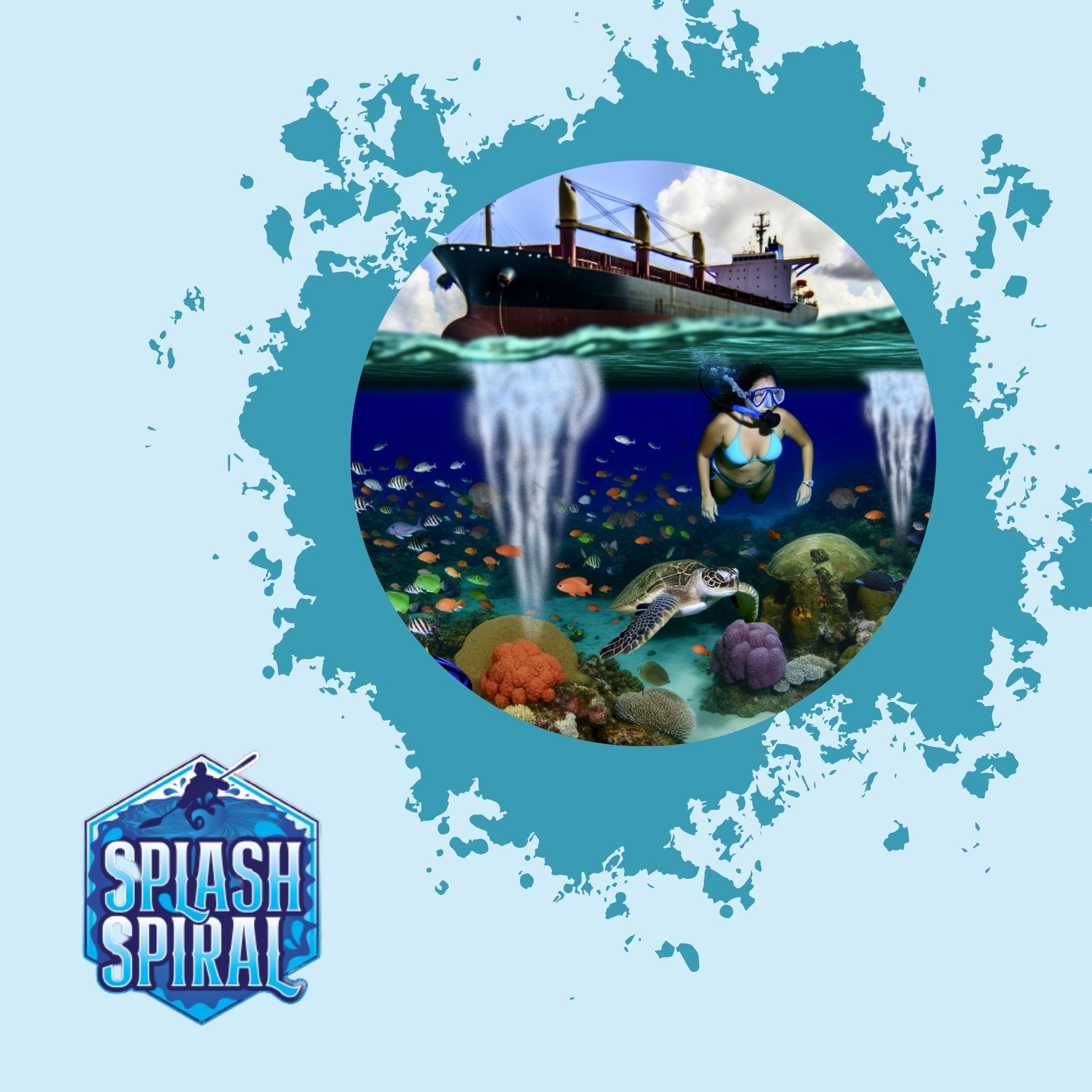
Shipping: The rumble and drone created by large commercial ships are some of the most pervasive sources of ocean noise. The constant propulsion sounds interfere with marine life communication and navigation.
-
Industrial Activities: Offshore drilling, construction, and other industrial operations generate significant underwater noise. These activities use heavy machinery and powerful tools, creating intense, localized disturbances.
-
Seismic Surveys: Used primarily in oil and gas exploration, seismic air guns create loud, repetitive blasts of sound directed into the seafloor. The echoes are measured to locate oil deposits, but they also pose a substantial disruptor to marine creatures.
- Recreational Watercraft: While not as loud as commercial shipping, the cumulative effect of recreational boats, jet skis, and other small watercraft can create a significant amount of noise, particularly in busy areas frequented by humans and marine life alike.
Understanding these sources of noise pollution is the first step in mitigating their impact. Whether you're a sailor, a casual boater, or a scuba diver, being mindful of how your actions contribute to the underwater soundscape can help protect the intricate and delicate marine ecosystems.
Ocean Noise Pollution Effects on Marine Life
Marine Noise
When we think about the ocean, we often imagine a serene, tranquil world, but beneath the waves, it's a different story. Underwater noise from human activities penetrates even the most remote marine environments. This noise disrupts the sonic landscape, which many marine species rely on for survival.
Communication Interference
Marine creatures—from the tiny shrimp to the giant blue whale—use sound to communicate, find mates, and navigate their underwater world. Imagine trying to have a conversation in a packed nightclub. That's what it's like for marine life dealing with ocean noise pollution. Loud, constant noise from ships, industrial activities, and recreational watercraft can drown out these essential sounds, leaving animals unable to communicate effectively. This interference can prevent them from coordinating group activities, finding food, or avoiding predators, which can significantly impact their survival.
Stress and Behavior Changes
Just like humans, marine animals experience stress. Noise pollution can be a significant stressor, causing species to change their behaviors to adapt to the noise. Whales might move to quieter waters, which might not be as rich in food. Fish and invertebrates might abandon their nests, leaving eggs and young exposed to predators. Chronic stress from prolonged exposure to noise can reduce reproductive success and weaken immune systems, making marine animals more susceptible to disease.
Physical Harm
In more severe cases, noise pollution doesn't just stress out marine life—it can cause physical harm. The intense sounds from seismic surveys used for oil and gas exploration can damage the hearing of marine mammals. Some species rely on echolocation to hunt and navigate, and impaired hearing can be catastrophic. There have been instances where loud underwater noises have led to the beaching of whales and dolphins, as these animals become disoriented and stray into shallow waters.
Understanding these impacts is crucial for divers who spend time in these affected environments. By being aware of how sound travels under the sea and how it affects the inhabitants, you can better appreciate the importance of minimizing your own noise footprint.
Impact on Ecosystems and Marine Habitats
Ocean noise pollution ripples out to affect entire marine ecosystems, not just individual species. When noise disrupts the natural behavior of marine life, it can cause cascading effects throughout the ecosystem. For instance, if predators like dolphins and whales struggle to hunt due to noise interference, their prey populations might swell unnaturally, upsetting the balance of the food web.
Case studies underline this disruption. In one instance, the introduction of seismic surveys led to a marked decline in local fish populations, adversely affecting the diets of predatory species who depend on them. Another study highlighted how shipping traffic near coral reefs altered the behavior of reef fish, many of which use sound for mating calls and territory defense, leading to reduced breeding success.
The importance of silence in marine environments cannot be overstated. Just as we rely on a peaceful atmosphere to focus and communicate, marine animals depend on a quiet ocean to survive and thrive. A noiseless environment is crucial for the health and sustainability of marine habitats, allowing ecosystems to function as they should.
By understanding and respecting the need for marine silence, divers can help preserve these underwater worlds, ensuring they remain vibrant and diverse for future generations to explore.
The Role of Divers in Mitigating Noise Pollution
Diver Awareness
First things first: Stay aware. As a diver, recognizing that your presence in the underwater world can contribute to noise pollution is key. Sound travels faster and farther in water than in air, meaning even small noises can have a significant impact on marine life. Your vigilance can make a big difference.
Minimization Techniques
You don’t have to be a seasoned diver to lessen your noise footprint. Start with these straightforward techniques:
- Master Buoyancy: Flailing fins and constant adjustments can create unnecessary noise. Perfect your buoyancy to glide effortlessly and minimize disturbance.
- Quiet Gear: Double-check that your equipment is securely fastened. Loose gear can rattle and produce noise. Use gear wraps or bands to keep it tight.
- Smooth Movements: Move slowly and deliberately. Rapid movements not only disturb marine life but also create noise that carries through the water.
Participating in Research and Conservation
Your involvement can extend beyond just your dive practices. Engage with local and global research efforts focused on ocean noise pollution. Many organizations welcome volunteer divers to help collect data or participate in clean-up and monitoring initiatives. It's a hands-on way to contribute to the well-being of marine ecosystems.
Additionally, support or join conservation programs dedicated to reducing noise pollution. These programs often aim to limit loud human activities in critical habitats, benefiting a wide range of marine species. Being part of these efforts not only deepens your understanding of the issue but also allows you to actively protect the ecosystems you love to explore.
Conclusion
By staying informed and making conscious decisions underwater, you can play a crucial role in reducing ocean noise pollution. Your efforts help ensure that the underwater world remains vibrant and thriving, a gift to both current and future generations of divers. Dive smart, dive responsibly.
How to Foster a Noise-Free Diving Environment
Tips for Quiet Diving
When diving, every little sound can add up and contribute to underwater noise pollution. Here are some practical tips to help you dive quietly and responsibly:
- Streamline Your Gear: Ensure all your equipment is tight and streamlined to avoid unnecessary clinking and clanking. This not only minimizes noise but also reduces drag, making your dive more efficient.
- Breathing Control: Practice controlled, steady breathing. Rapid or heavy breaths can be noisy and disruptive. Take slow, deep breaths to stay calm and quiet.
- Minimize Fin Movement: Use efficient and gentle fin strokes. Avoid kicking rocks or corals as this can create loud, disruptive sounds and also harm marine life.
- Maintain Neutral Buoyancy: Proper buoyancy control prevents you from bumping into objects that create noise. Regularly check and adjust your buoyancy to stay neutrally buoyant.
- Gentle Equipment Handling: Handle all gear with care, especially cameras or other tools. Set things down gently rather than letting them drop.
Choosing Silent Equipment
The gear you select can make a significant difference in the noise footprint you leave underwater:
- Regulators: Opt for regulators known for quiet performance. Some brands specifically design their regulators to minimize bubble noise.
- Fins: Choose fins that are suited for quiet propulsion. Softer, more flexible fins tend to produce less noise.
- Dive Computers and Gauges: Select models that do not beep or make alert sounds frequently underwater. Silence unnecessary alarms to keep things tranquil.
- Rebreathers: If you're an advanced diver, consider using a rebreather. Rebreathers are quieter than open-circuit scuba systems as they recycle your breathing gas and produce fewer bubbles.
Educating Fellow Divers
As a diver, you play a crucial role in promoting noise awareness within the diving community:
- Share Knowledge: Inform fellow divers about the impact of noise pollution on marine life. The more people know about it, the better.
- Lead by Example: Demonstrate quiet diving techniques during your dives. When others see your efforts, they're more likely to adopt similar practices.
- Organize Workshops: If you dive regularly with a group, consider organizing workshops that focus on environmentally friendly diving practices, including noise reduction.
- Encourage Conservation: Support and participate in marine conservation programs that address noise pollution. Whether it’s a local clean-up effort or a larger research initiative, your involvement can make a difference.
By implementing these simple strategies and sharing your knowledge, you can help create a quieter, healthier underwater world for marine life to thrive. Quiet diving not only benefits the environment but also allows you to experience the serene beauty of the ocean in a deeper, more profound way. Dive smart, and dive silently.
Conclusion: Tackle Ocean Noise Pollution
Key Takeaways
In summary, ocean noise pollution is a significant yet often overlooked threat to marine ecosystems. It's not just about the environmental impact; it's about understanding how our actions, even as recreational divers, can either contribute to or mitigate this pressing issue.
What We've Covered
- Basics of Ocean Noise Pollution: What it is and why it matters.
- Sources of Noise Pollution: Including industrial activities, shipping, and recreational diving.
- Effects on Marine Life: How noise disrupts communication, navigation, and overall well-being of marine species.
- Broader Ecosystem Impact: The ripple effects on habitats and biodiversity.
Actions You Can Take
Remember, every dive is an opportunity to make a positive difference. Simple practices can significantly reduce your noise footprint.
- Maintain Good Buoyancy: Reducing contact with the seabed minimizes noise and physical disturbance.
- Use Quieter Equipment: Opt for diving gear designed to produce less noise.
Spreading Awareness
Awareness is the first step, and as informed divers, you have the power to influence others and promote a culture of noise-aware diving.
Further Reading
For those keen to dive deeper into the subject, further reading is a great way to enhance your knowledge.
- Coral Bleaching: Understand the impacts of rising sea temperatures.
- Mangrove Ecosystems: Learn about these crucial coastal habitats and their conservation.
Final Thoughts
Embark on each dive with a mindset of responsibility and respect. Your conscious efforts not only protect marine life but also enrich your diving adventures.
- Dive Responsibly
- Stay Aware
- Make Every Dive Count
By adopting these practices, you can play a part in marine conservation and ensure healthier oceans for future generations.