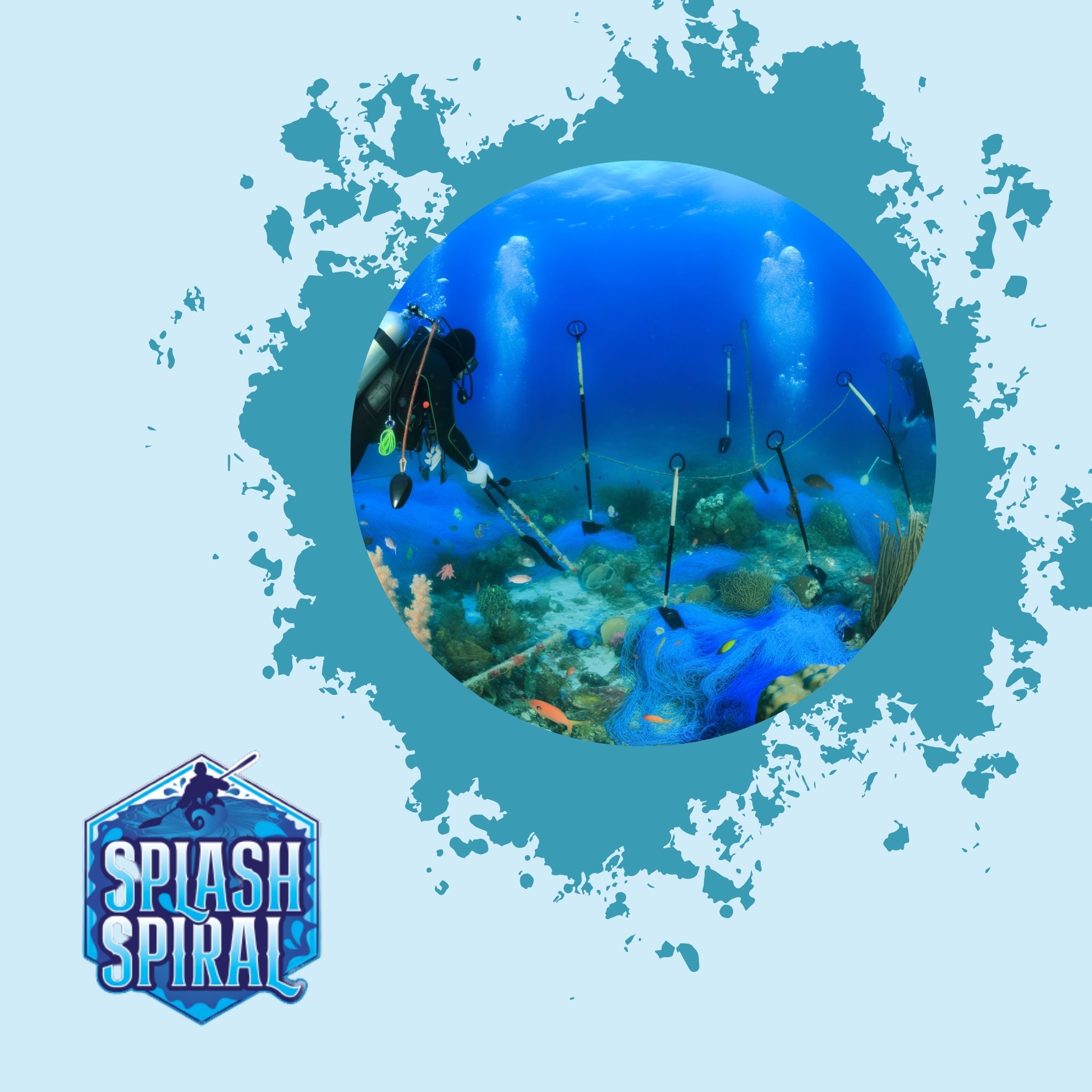
The ocean’s beauty and biodiversity are under threat from pollution. Plastic waste & other debris accumulate in marine environments, posing serious risks to marine life. For beginner divers, understanding the problem, its impacts, and how they can contribute to the solution is essential. This guide offers a straightforward look at marine debris and practical steps for divers to get involved in removal efforts.
Introduction
Marine debris—ranging from plastic bottles to abandoned fishing nets—clogs our oceans at an alarming rate. This pollution not only mars the natural beauty of underwater environments but also poses serious threats to marine life. For beginner divers, the sight of debris can be disheartening, but it also offers an opportunity to make a tangible difference. By understanding the types and impacts of marine debris, new divers can become active participants in ocean conservation efforts. Dive in with us as we explore how you can play a crucial role in keeping our seas pristine and helping marine ecosystems thrive.
Types of Marine Debris <–
Plastic Waste
Plastic waste is the most common type of marine debris you'll encounter underwater. Every year, millions of tons of plastic find their way into our oceans, from everyday items like bottles, straws, and bags to more obscure objects like abandoned toys and fishing nets. These plastics don't just float harmlessly; they break down into smaller pieces called microplastics, which can be ingested by marine life, leading to severe health issues or even death. Imagine a sea turtle munching on a plastic bag, mistaking it for its favorite snack, a jellyfish. That's the grim reality we're facing.
Fishing Gear
Another significant contributor to marine debris is abandoned or lost fishing gear, known as "ghost gear." This includes nets, lines, and traps that continue to ensnare marine life long after they've been discarded. Ghost gear is particularly insidious because it can keep on killing fish, turtles, birds, and other animals for years. Picture a net drifting aimlessly, capturing and strangling everything in its path. The damage is relentless and often goes unnoticed, making it a critical area where divers can make a real difference.
Other Debris Types
While plastic and ghost gear are the primary culprits, the ocean floor is a veritable junkyard of other debris types. You'll come across glass bottles, rubber tires, and metal cans, among other items. Each of these materials brings its own set of environmental challenges. Glass can break into sharp shards, posing a danger to both humans and marine life. Rubber and metal can leach harmful chemicals into the water, leading to long-term ecological damage. The presence of these materials disrupts the natural habitat, leaving no stone unturned in their path to destruction.
By understanding the types of marine debris, beginner divers can better prepare themselves for the task at hand. Equipped with this knowledge, you're not just diving for fun; you're diving with a purpose.
Environmental Impact of Marine Debris <–
Harm to Marine Life
Marine debris isn't just an eyesore; it’s a deadly menace to marine life. Fish, seabirds, and other sea creatures often mistake plastic and other waste for food, ingesting it with tragic consequences. Once ingested, this debris can cause internal injuries, blockages, and even starvation. For instance, sea turtles often mistake plastic bags for jellyfish, leading to fatal digestive blockages. Entanglement is another grim result of marine debris. Ghost fishing gear ensnares fish, dolphins, and even seabirds, leading to injury, suffocation, or a slow death from starvation.
Ecosystem Disruption
Marine debris doesn't just affect individual animals; it can upend entire ecosystems. Debris can smother coral reefs, blocking sunlight and preventing essential photosynthesis. It can also transport invasive species to new environments, creating imbalance and threatening native species. The degradation of habitats, such as seagrass beds and mangroves, impacts the breeding and feeding grounds for numerous marine organisms, destabilizing the food chain from the bottom up.
Human Impacts
The impacts of marine debris extend to human populations as well. Coastal communities, heavily reliant on tourism and fishing, face economic losses due to polluted beaches and reduced fish stocks. Contaminants from degraded plastic can enter the food chain, potentially affecting human health as we consume seafood. Additionally, the aesthetic impact of debris-strewn waters can deter tourists, further harming local economies based on diving and beach activities.
Understanding these impacts is crucial. By acknowledging the profound effect of marine debris, divers can see the vital role they play in mitigating this issue.
Why Divers Should Care
Connection with the Marine Environment
Diving isn't just about enjoying the vibrant underwater scenery; it's about forming a direct connection with the marine environment. As a diver, you get a front-row seat to the world's most breathtaking underwater landscapes, but this privilege comes with a responsibility.
Witnessing Pollution Firsthand
Unlike the average person, divers can witness the real-time impacts of pollution on marine life:
- Plastic bags drift like ghostly jellyfish, ensnaring unwary sea turtles.
- Forgotten fishing nets trap and kill countless fish and marine mammals.
The Emotional Impact
It hits differently when you see it up close. The coral reefs you marvel at during your dives are slowly getting suffocated by debris, making it impossible for marine ecosystems to thrive. The beautiful schools of fish you swim alongside might ingest microplastics, which can lead to health issues that ripple through the food chain.
Moral Duty and Preservation
Caring about what you see on your dives isn't just a moral duty; it's about preserving the very thing that makes diving so appealing:
- Pollution Persistence: The more pollution persists, the less vibrant and healthy oceans become.
- Future Dives: Dwindling underwater health reduces the wonder and excitement of future dives.
Taking Action
By taking an active role in marine debris removal, you aren't just cleaning up the ocean:
- Protecting Your Playground: Ensure that the underwater wonders you love can be enjoyed by generations to come.
The Ocean Gives Back
So, if you’ve ever been mesmerized by the undulating movements of a manta ray or the brilliant colors of a coral reef, you’ve got a reason to care. The ocean gives you extraordinary experiences—it's only fair to give back by helping to keep it clean and healthy.
How Divers Can Help with Marine Debris Removal
Organize or Join Diver Cleanups
Getting involved in marine debris removal starts with action, and whether you're a beginner diver or a seasoned pro, you can make a significant impact. Organizing a cleanup dive may sound daunting, but breaking it down into steps can simplify the process.
First, select a suitable dive site. It should be a location you've dived at before and are familiar with, ensuring it’s safe and accessible. Once you’ve got your spot, gather a team. Reach out to local dive shops, clubs, or online dive communities—many divers are eager to help. Obtain the necessary permissions from local authorities if needed; safety and legality are paramount.
For those not ready to organize, joining existing cleanup events is just as valuable. Look for local diving organizations or environmental groups that host regular cleanup dives. Websites like Project AWARE and local dive shops often list upcoming events. Getting involved not only helps the ocean but boosts your diving experience and connects you with like-minded individuals.
Adopt Best Practices Underwater
Removing debris underwater is more than just picking up trash; it requires a mindful approach to ensure safety and effectiveness. Always prioritize safety by ensuring you're properly weighted and have the necessary tools like mesh bags and cutting devices. Beware of sharp objects and entangled debris—handle them with care, or leave them if they pose too much risk.
Adherence to proper training is crucial. Consider taking specialized courses that focus on marine debris removal. These courses teach you the best techniques and practices, ensuring that your efforts are beneficial rather than harmful. Remember, removing debris gently is key to protecting the delicate marine environment.
Promote Awareness and Education
Being proactive extends beyond the dive itself. Divers can play an essential role in raising awareness about marine debris. Share your experiences and findings through social media, blogs, or local community meetings to educate others about the extent of the problem and the efforts to mitigate it.
Offer to speak at schools, local groups, or dive clubs to spread the word. Utilize resources like infographics, videos, and articles from reputable organizations to back up your message. The more people know about the issue, the greater the collective effort in addressing it.
Remember, significant change starts with small, informed steps. By organizing or joining cleanup dives, adopting best practices, and promoting education, beginner divers can make a substantial difference in safeguarding our oceans.
Resources and Tools for Marine Debris Removal
Gear Essentials for Debris Collection
When it comes to collecting debris underwater, having the right gear can make the difference between a safe, efficient dive and a risky one. Here’s what you’ll need:
- Mesh Bags: These are critical for gathering and carrying debris. They allow water to flow through, reducing drag and making it easier to swim.
- Gloves: Essential for protecting your hands from sharp objects and potentially hazardous materials.
- Cutting Tools: A dive knife or shears can help you free entangled marine life or cut through fishing lines and nets.
- Lift Bags: For larger or heavier items, lift bags can help bring debris to the surface without straining your body.
- Marker Buoys: These can be used to mark large items or areas of concentrated debris that require more attention.
- Snorkel and Mask: For surface debris collection, snorkeling gear can be more practical than full scuba gear.
Training and Certification
Before you jump into a cleanup dive, it's essential to be properly trained. Various organizations offer specialized courses that not only teach you the basics but also ensure you’re removing debris safely and effectively.
- Project AWARE’s Dive Against Debris®: This program trains divers to conduct debris surveys and contribute data to a global citizen science project.
- PADI Specialty Course – Dive Against Debris: Offers in-depth training on how to safely collect and record marine debris.
- NAUI Clean-up Diver: Focuses on environmentally responsible diving and debris removal techniques.
- SSI Marine Ecology and Ocean Cleanup Diver: These courses cover specific aspects of marine conservation and practical cleanup methods.
Proper certification ensures that you’re equipped with the knowledge to make a positive impact while minimizing the risks to yourself and the marine environment. So, gear up, get trained, and start making a difference.
Real-Life Success Stories
Dive Against Debris: A Global Movement
One of the most inspiring examples of diver-led cleanup efforts comes from Project AWARE’s “Dive Against Debris” initiative. Started in 2011, this global movement empowers divers to remove trash from the ocean and report data on what they find.
Impact Highlights:
- Thousands of divers worldwide have participated.
- Millions of pieces of debris have been removed.
- Valuable data gathered aids in marine conservation policies.
Dive Friends Bonaire Cleanup
Another standout story is the bi-annual cleanup organized by Dive Friends Bonaire, a dive shop located in the Caribbean. They bring together the local community and visiting divers to tackle underwater debris.
Recent Achievements:
- Volunteers collected over 1,500 pounds of trash.
- Items removed include plastic bottles and fishing lines.
- The local reef now displays a healthier ecosystem with vibrant coral and more abundant marine life.
California Coastal Cleanup Day
Closer to home, the California Coastal Cleanup Day sees divers, along with other volunteers, cleaning up both the coastline and the underwater environments.
Monterey Bay Event:
- Divers removed over 200 pounds of debris in just a few hours.
- The cleanup efforts have made the underwater habitats cleaner and safer for marine life.
- Encourages more local divers to participate in future events.
Key Takeaways
These initiatives showcase the power of community involvement and highlight the significant impact that divers can have on marine ecosystems. By participating in or organizing similar cleanup projects, beginner divers can play a crucial role in preserving our oceans.
Conclusion
Marine debris poses a serious threat to the oceans we cherish, but beginner divers like you can be at the forefront of the solution. From participating in or organizing cleanup dives to adopting best practices underwater, there are many ways to contribute to reducing marine pollution. Not only does this effort help protect marine life and ecosystems, but it also ensures that we and future generations can continue to enjoy the unparalleled underwater beauty the ocean offers.
Your involvement doesn't stop at debris removal; promoting awareness and educating others amplifies your impact. Share your experiences and encourage fellow divers to join the fight against marine debris. Support community initiatives and keep the conversation alive.
Let's take proactive steps, share our efforts, and turn the tide on marine debris. The ocean needs us—all hands on deck. Dive in and make a difference!
Additional Resources
If you're ready to dive deeper into the subject and arm yourself with the knowledge and skills needed to tackle marine debris, check out these helpful resources:
Internal Links:
-
Manta Ray Conservation Challenges and Successes: Understand the specific conservation issues that impact manta rays and the efforts being made to protect them.
-
How Climate Change is Affecting Dive Sites Around the World: Learn about the broader impacts of climate change on your favorite diving spots and what you can do to mitigate these effects.
-
Scuba Diving: Get acquainted with the basics of scuba diving if you're just starting out or need a refresher.
- Diving: Explore various diving topics ranging from safety tips to advanced diving techniques.
By taking action, divers can substantially reduce marine pollution and protect our oceans for future generations. Let’s dive in and make a difference!