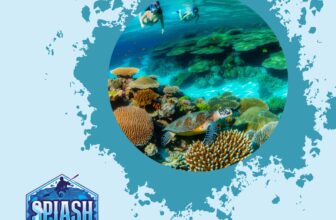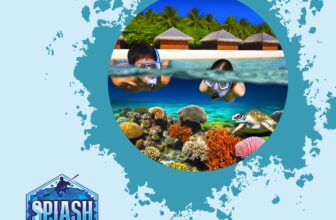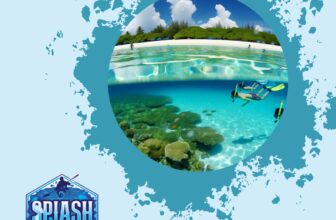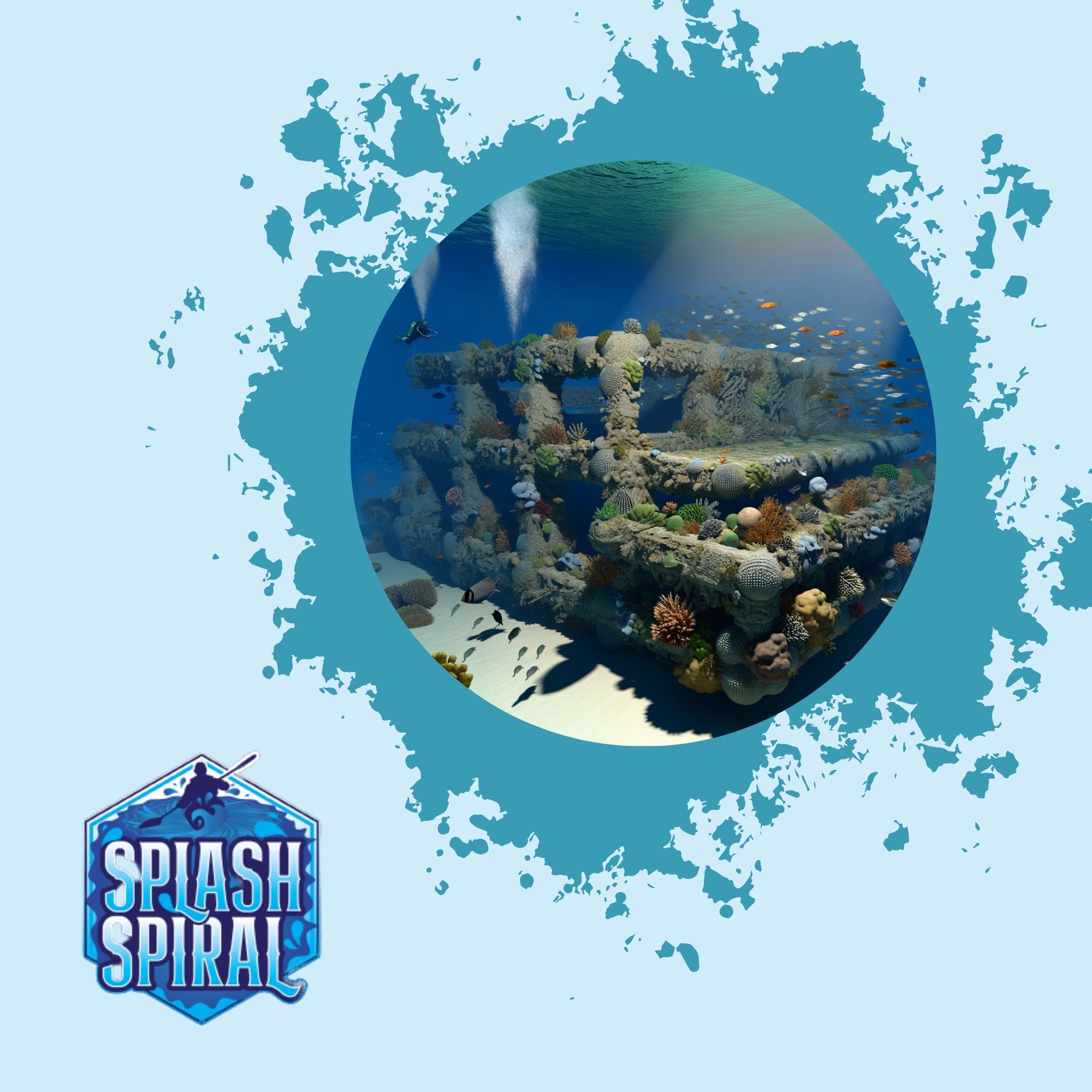
Artificial reefs play an increasingly vital role in marine conservation efforts worldwide. Designed to mimic the complex structures of natural reefs, these underwater habitats support biodiversity, restore marine ecosystems, and offer other eco-friendly advantages. Let's dive into the core benefits and impacts of artificial reefs, and understand how they contribute to the restoration and preservation of our oceans.
Introduction
Artificial reefs are human-made structures placed on the ocean floor designed to mimic the intricate architecture of natural reefs. They can be built from various materials such as concrete, steel, or specially designed modules to provide a habitat for marine life. These man-made reefs quickly become thriving underwater ecosystems, attracting a wide range of species from corals to fish and crustaceans.
The significance of artificial reefs in marine conservation cannot be overstated. They help mitigate the loss of natural reefs, which are increasingly threatened by climate change, pollution, and destructive fishing practices. By offering a sanctuary for marine organisms, artificial reefs support biodiversity and contribute to the restoration of marine ecosystems.
This article aims to explore the manifold benefits and roles artificial reefs play in marine conservation. From supporting biodiversity to providing socio-economic benefits and new diving opportunities, we'll delve into how these underwater structures are making waves in the fight for healthier oceans.
The Importance of Artificial Reefs
Artificial reefs offer a lifeline to marine life by creating habitats where natural ones have been damaged or degraded. One immediate benefit is providing a new home for fish, crustaceans, and a variety of other marine species. These structures mimic the nooks and crannies found in natural reefs, giving marine life places to hide, breed, and feed.
Biodiversity enhancement is another crucial impact. By offering an array of habitats, artificial reefs attract a diverse range of organisms, from the smallest plankton to larger predators. This biodiversity boost helps stabilize ecosystems, making them more resilient to changes and disruptions.
One aspect that cannot be overlooked is the indirect benefits to dive sites affected by climate change. As natural reefs suffer from bleaching and other stressors, artificial reefs serve as alternative dive locations, preserving the thrill and beauty of underwater exploration for divers. For more on how climate change is altering dive sites, check out this article.
In summary, artificial reefs enhance marine life by offering new habitats, boosting biodiversity, and supporting the resilience of marine ecosystems. These reefs provide not just ecological benefits but also ensure that the mesmerizing world beneath the waves remains accessible and thriving.
Biodiversity and Habitat Restoration
Artificial reefs are game-changers when it comes to restoring damaged marine habitats. Think of them as underwater scaffolding, offering marine life a place to settle, grow, and thrive. When natural reefs suffer, either from climate change, overfishing, or pollution, artificial reefs provide resilient alternatives that can fill the void.
Restoring Damaged Habitats
One of the primary roles of artificial reefs is restoring damaged marine habitats. By introducing structures that mimic the complexity and form of natural reefs, we're essentially giving marine ecosystems a new lease on life.
Key Materials
- Concrete and Steel: Robust and durable, these materials provide the necessary structure and longevity.
- Repurposed Ships: Often used to create larger, more complex structures on the ocean floor.
These materials are strategically placed, where they quickly become colonized by marine organisms. These structures offer hard surfaces for coral polyps to attach to, allowing new coral reefs to develop over time.
Supporting Marine Species
Artificial reefs don't just provide a new home for corals; they also support a wide array of marine species.
Benefits
- Shelter: Provides protection for various marine creatures.
- Breeding Grounds: Creates safe and conducive environments for reproduction.
- Hunting Areas: Establishes a habitat where species can thrive and feed.
For beginner divers, these structures offer a stunning variety of marine life, often exceeding the biodiversity found around degraded natural reefs.
Examples of Successful Projects
Several artificial reef projects around the world have seen significant success in boosting biodiversity:
-
The USS Oriskany in Florida: Sunk intentionally in 2006, this former aircraft carrier has transformed into a bustling underwater city, teeming with marine life.
-
Osborne Reef in Australia: Initially created from car tires, it has evolved into a coral haven after extensive cleanup and remediation efforts.
These projects not only restored marine habitats but also attracted divers from around the globe, creating additional ecological and economic benefits.
Further Reading
For a more detailed dive into the impacts of marine debris and how divers can assist in conservation efforts, check out our article on Marine Debris: Types, Impacts, and How Divers Can Help. It's crucial for divers to be aware of the challenges our oceans face and how they can contribute to making a positive impact.
By restoring habitats and supporting diverse marine species, artificial reefs play an indispensable role in the broader goal of marine conservation. For those new to diving, these underwater structures offer not only fascinating dive sites but also a chance to witness first-hand the resilience and beauty of marine ecosystems.
Strategies for Building Effective Artificial Reefs
Creating effective artificial reefs isn't just about dropping a bunch of stuff into the ocean. It takes careful planning, the right materials, and strategic placement to make a positive impact. Let's break down what goes into building these underwater habitats.
Materials and Structures
The first decision is what to build the reef from. Common materials include concrete, steel, and specially designed reef balls. Sometimes, old ships are intentionally scuttled to serve as reefs. These materials are chosen for their durability and the ability to provide the complex surfaces that marine life needs to thrive. For example, concrete is porous and allows for coral and algae attachment, while steel offers stability and a diverse range of nooks and crannies for fish and invertebrates.
Replicating Natural Environments
The goal is to imitate the look and feel of natural reefs, which are rich in complexity and hidey-holes for marine organisms. Artificial structures are often designed with various ledges, holes, and overhangs to simulate the intricate architecture of natural reefs. It's not just about mimicking appearance—it's about replicating function. These structures provide shelter, breeding grounds, and feeding opportunities for a wide array of marine species.
Strategic Placement
Where you put an artificial reef is just as important as what you build it from. The placement must take into account several factors, such as water depth, current patterns, and the existing marine environment. Ideally, artificial reefs are placed in areas that will maximize their benefit to the ecosystem. This means avoiding places where natural reefs are already thriving but targeting areas hit by coral bleaching or other forms of degradation.
Effective placement also means thinking about accessibility for divers. Many artificial reefs are intentionally located near shorelines or in popular dive spots to make them accessible for education and tourism. However, a balance must be struck to ensure the reefs aren't too exposed to human activities that could harm them.
Collaboration and Planning
Building artificial reefs is often a collaborative effort involving marine biologists, local governments, dive shops, and conservation organizations. A well-thought-out plan ensures that the reef meets specific conservation goals, whether it’s habitat restoration, enhancing biodiversity, or providing new recreational dive sites.
By using the right materials, designing structures that mimic natural reefs, and strategically placing them for maximum ecosystem benefit, we can create artificial reefs that serve as vital tools in marine conservation.
Benefits of Artificial Reefs Beyond Marine Ecosystems
Artificial reefs do more than just provide a haven for marine life – they offer a suite of benefits that reach well beyond the ocean floor. One of the most notable advantages is the boost to local tourism. New dive sites created by artificial reefs attract divers from all over the world, offering thrilling underwater experiences and unique marine landscapes. For beginner divers and seasoned pros alike, these sites can be idyllic spots to explore without the pressures faced by natural reefs.
In addition to drawing tourists, artificial reefs play a crucial role in alleviating pressure on overfished areas. By providing alternative habitats, these structures give marine populations a chance to recover and thrive. This redistribution helps balance ecosystems, making fishing more sustainable in the long run.
But the benefits don’t stop at tourism and fishing. Artificial reefs also open up fascinating educational and research opportunities. Schools, universities, and marine organizations can use these man-made structures as living laboratories, offering students and scientists firsthand insights into marine biology and ecology. This hands-on learning is invaluable for budding marine biologists and conservationists.
For those interested in diving deep into the broader context of scuba diving and its various benefits, feel free to check out our comprehensive guide here. Whether you are a novice diver looking to start or an experienced diver aiming to expand your horizons, artificial reefs offer a multifaceted platform that enriches both marine life and human experience.
Case Studies of Successful Artificial Reefs
Let's look at some real-world examples showcasing the success of artificial reefs in breathing new life into marine ecosystems.
Key Largo's "Christ of the Abyss"
In the Florida Keys, the "Christ of the Abyss" statue is a prime example. Submerged in 1965, this eight-foot-tall bronze sculpture has become a marine sanctuary teeming with life. Not only has it become a go-to spot for divers, it also supports a diverse array of marine species from colorful parrotfish to curious angelfish. Over the years, scientists have noted a significant increase in local fish populations, proving its ecological value.
The Great Barrier Reef's "MARS"
Further afield, the Modular Artificial Reef Structure (MARS) project near the Great Barrier Reef aims to restore damaged sections of this natural wonder. Introduced in 2018, these modular units mimic the intricate framework of coral reefs. Early results are promising: coral polyps have quickly colonized the structures, and fish and crustaceans have moved in. The simplicity and adaptability of MARS make it a potential game-changer for large-scale reef restoration.
Mexico's "MUSA Underwater Museum"
The Museo Subacuático de Arte (MUSA), located off the coast of Cancun, features over 500 life-sized sculptures designed to foster new coral growth. Installed in 2009, MUSA provides a dual benefit: it serves as an artistic attraction and relieves tourist pressure on natural reefs. Since its creation, the site has seen impressive coral coverage and an uptick in marine biodiversity, including species like sea turtles and rays.
Long-Term Impact and Success Factors
What sets these projects apart is their combined focus on scientific research and community engagement. Continuous monitoring has been crucial for understanding their long-term impact. For instance, in Key Largo, ongoing studies help adapt conservation strategies as marine conditions change. Additionally, local involvement has been critical. The MUSA project, for instance, employs local artists and dive shops, fostering economic benefits alongside ecological gains.
Conclusion
These case studies underscore the transformative potential of well-planned artificial reefs. They do more than provide temporary relief for marine species; they offer long-lasting solutions that enhance both environmental and community health. For aspiring divers, these examples serve as both inspiration and a call to action to support and engage in reef conservation initiatives.
Challenges and Considerations
Creating and maintaining artificial reefs isn't as straightforward as sinking an old ship and calling it a day. There are several challenges and considerations that need to be addressed to ensure these projects are both beneficial and sustainable.
Environmental Impact
While artificial reefs are designed to replicate natural habitats, they can also accidentally cause harm. Poorly planned reefs can displace existing marine life or disrupt local ecosystems. It's crucial to conduct thorough environmental assessments before installation to understand the potential impacts. This includes analyzing current underwater currents, seabed composition, and existing marine life.
Material Choices
The materials used in artificial reefs can range from non-toxic concrete to old ships and even decommissioned oil rigs. However, not all materials are suitable. Structures must be free from harmful chemicals and pollutants. Additionally, biodegradable or unstable materials could deteriorate quickly, producing marine debris and harming the environment rather than supporting it.
Site Selection
Strategic placement is key. Placing a reef in the wrong location can do more harm than good. Factors such as water depth, existing marine traffic, and local habitat conditions need to be meticulously considered. The site must offer conditions that support both the artificial structure and the marine life it’s intended to attract.
Long-Term Maintenance
Once installed, artificial reefs need ongoing maintenance. Biofouling, where unwanted organisms colonize the structure, can occur. Regular inspections are necessary to ensure that the structure remains safe and effective. This also involves cleaning and occasional repairs, which require sustained funding and resources.
Ethical Considerations
There’s an ethical dimension to consider as well. Artificial reefs must be seen as supplementary to natural reef conservation, not a replacement. Prioritizing the health of natural reefs should remain a top goal. Artificial reefs should not divert attention and resources away from preserving what's naturally occurring.
Overcoming Challenges
Overcoming these challenges requires a balance of science, community involvement, and careful planning. Engaging local communities, especially divers, can offer valuable insights and support for maintaining artificial reefs. Public awareness and education campaigns can also galvanize efforts and facilitate funding through eco-tourism and donations.
Ensuring the longevity and success of artificial reefs involves tackling these challenges head on. By doing so, we can create thriving underwater habitats that support marine life and offer numerous benefits for people and ecosystems alike. Remember, as beginner divers or enthusiasts, you can play a role in this effort by staying informed and participating in local reef projects.
Encouraging Community Involvement
When it comes to artificial reefs, community involvement is not just beneficial—it's essential. Beginner divers and individuals interested in diving can play a pivotal role in supporting these marine conservation efforts. Here's how you can get involved and make a difference:
-
Participate in Local Projects: Many coastal communities have ongoing artificial reef projects. These initiatives often welcome volunteers to help with everything from preparation and deployment to monitoring and maintenance. It's a hands-on way to contribute while gaining direct experience and understanding of the local marine ecosystem.
-
Join Diving Clubs and Organizations: Diving clubs and organizations frequently partner with environmental groups to support artificial reef initiatives. Joining one of these organizations can provide opportunities for training, participation in reef-building activities, and networking with like-minded individuals. This can enhance your diving skills and deepen your commitment to marine conservation.
-
Educate Yourself and Others: Advocacy starts with knowledge. Take the time to learn about the importance of artificial reefs and share this information with your friends and family. Awareness can lead to broader community support, which is crucial for the success of these projects. Check out diving resources for beginners (Diving) to get started.
-
Support Through Citizen Science: Many artificial reef projects rely on data collected by citizen scientists to monitor reef health and growth. As a diver, you can contribute valuable information through reef monitoring dives and underwater photography. This data is vital for researchers studying the effectiveness of artificial reefs.
-
Advocate for Policy Support: Sometimes, the biggest impact comes from advocating for policies that support sustainable marine practices, including the creation of artificial reefs. Engaging with local governments, participating in public forums, and supporting environmental legislation can generate significant momentum for marine conservation efforts.
-
Contribute Financially: Funding is always needed for the creation and maintenance of artificial reefs. If time is a limiting factor, consider donating to organizations dedicated to marine conservation. Your financial support can help purchase materials, fund research, and cover operational costs.
By getting involved, not only do you contribute to the health of marine ecosystems, but you also enrich your diving experience. Becoming part of the artificial reef community means engaging in a collective effort to preserve and restore our oceans for future generations. Dive in, take action, and be part of the solution.
Conclusion
The Importance of Artificial Reefs
In summary, artificial reefs are pivotal in supporting marine conservation efforts by:
- Enhancing biodiversity
- Restoring damaged habitats
- Providing new opportunities for ecological research and education
Socio-Economic Benefits
Their role extends beyond ecological benefits to include:
- Boosting local tourism
- Supporting fishing industries
Engaging as a Beginner Diver
As a beginner diver or someone interested in starting, recognizing the value of these initiatives encourages a deeper connection to the underwater world and its preservation.
Getting Involved
Getting involved in artificial reef projects offers:
- Exciting diving experiences
- Contribution to sustaining our oceans
How to Participate
By participating in community efforts and staying informed, you help ensure that future generations can continue to explore and appreciate the rich marine environments we enjoy today.
Final Thoughts
Together, we can make a significant impact on maintaining the health and diversity of our planet’s oceans. Keep diving, stay curious, and become an advocate for marine conservation.