Ocean acidification is rapidly becoming a major concern for marine biodiversity, impacting both ocean chemistry and the creatures that thrive within it. For divers, understanding these changes goes beyond simply appreciating the beauty of the underwater world—it is vital for protecting these ecosystems.
Introduction
Ocean acidification might sound like a term straight out of a high school science textbook, but it’s actually a pressing issue we need to get our heads around. Essentially, it’s the process where our oceans become more acidic due to excess carbon dioxide (CO2) in the atmosphere. As the CO2 dissolves into seawater, it leads to chemical reactions that lower the pH of the ocean, making it more acidic.
Why Should Divers Care?
Why does this matter to us divers? Simple. Our underwater playgrounds are changing right under our masks. Knowing what’s going on isn’t just about being better informed. It helps us understand what we’re seeing down there and makes us part of the solution, rather than the problem.
What to Expect in this Article
In this article, we’ll break it all down for you:
-
Understanding Ocean Acidification
- What is ocean acidification?
- How does CO2 affect ocean pH levels?
-
Impact on Shellfish
- The role of shellfish in the ocean ecosystem.
- How acidification affects shellfish.
-
Broader Impacts on Marine Life
- The ripple effects on various marine species.
- Connections within the marine ecosystem.
- Practical Tips for Divers
- Steps you can take to make a difference.
- How to become an informed and proactive diver.
Ready? Let’s dive in.
What is Ocean Acidification?
Understanding the Basics
Ocean acidification refers to the ongoing decrease in the pH levels of Earth’s oceans. This happens when the oceans absorb CO₂ from the atmosphere—kind of like how soda fizzes when you open it.
- When CO₂ dissolves in seawater, it forms carbonic acid.
- This acid breaks apart, releasing hydrogen ions.
- More hydrogen ions mean a lower pH, making the ocean more acidic.
Causes of Ocean Acidification
Human Activities
Human activities are a significant contributor to the chemistry shift in the oceans:
- Burning Fossil Fuels: Releases vast amounts of CO₂ into the atmosphere.
- Deforestation: Reduces the number of trees that can absorb CO₂.
- Cement Production: Another major source of atmospheric CO₂.
Natural Processes
Naturally, oceans undergo processes that release CO₂:
- Respiration: Marine organisms exhale CO₂.
- Decomposition: Breakdown of organic matter releases CO₂.
The added spike from human activities is tipping the scale, exacerbating the acidification process.
Importance for Divers
Understanding ocean acidification is crucial for all divers. It’s not just a science lesson but has real-world implications:
- Informed Diving: Knowledge of underwater changes improves how we dive and what we observe.
- Contribution to Healthier Oceans: Awareness leads to actions that can help mitigate the effects of acidification.
By understanding what’s happening beneath the waves, we can all contribute to healthier oceans.
Impacts on Shellfish
The Science Behind Shellfish Decline
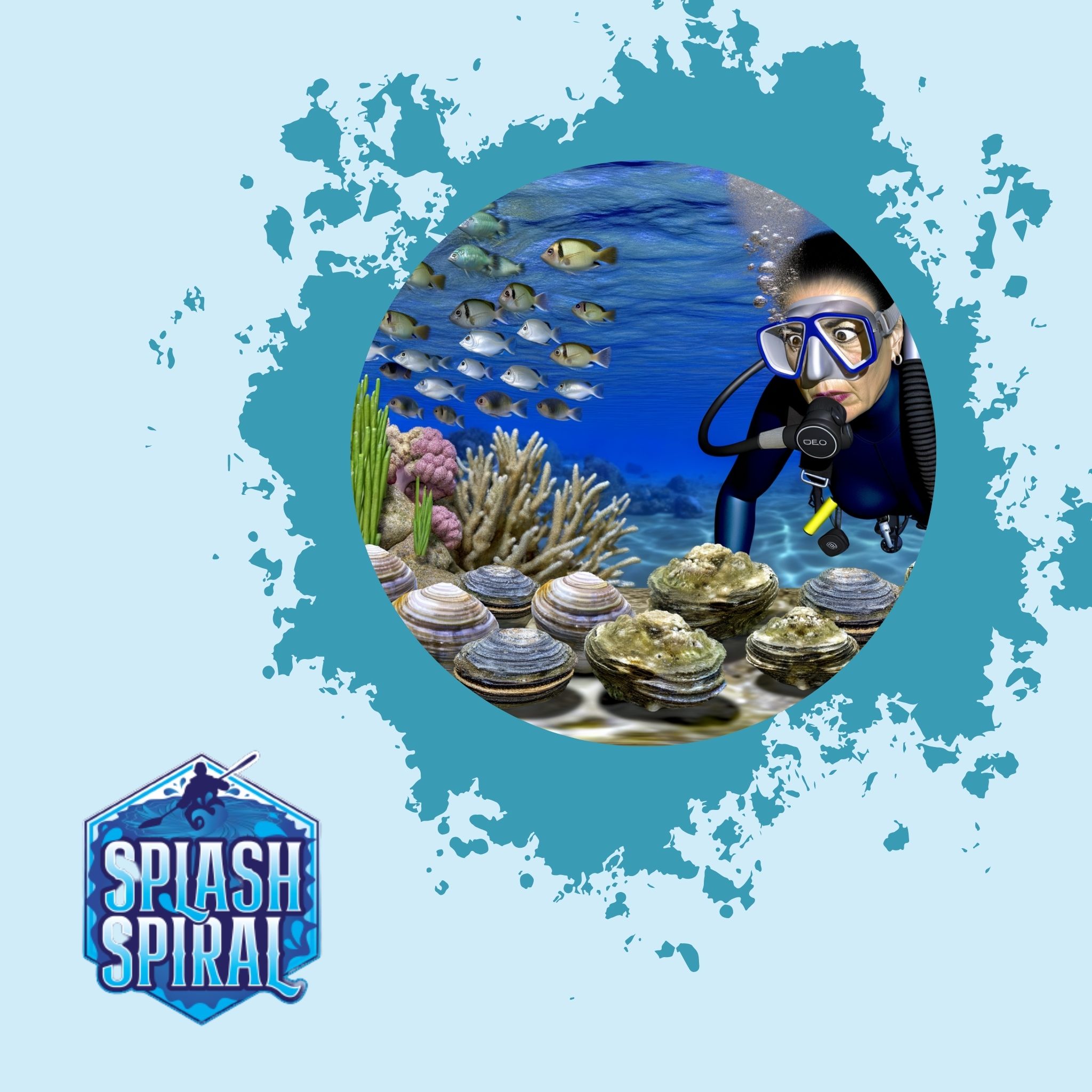
Ocean acidification is a silent but powerful force gnawing away at the health of our oceans. For shellfish, the main issue is the erosion of their calcium carbonate shells. Essentially, lower pH levels in the ocean water make it harder for these creatures to build and maintain their shells, which are vital for their survival. Oysters, clams, mussels, and scallops are particularly vulnerable. These species rely on a stable supply of carbonate ions, which become scarcer as acidity increases. As a result, their shells become thinner, weaker, and more susceptible to damage and disease.
Economic and Ecological Consequences
The decline in shellfish populations due to acidification sets off a chain reaction extending far beyond the ocean floor. Ecologically, shellfish play a crucial role in marine ecosystems by filtering water, providing habitat for other species, and forming the base of many food webs. Economically, the impacts are equally significant. Fisheries, which are crucial to many coastal communities, face drastic reductions in yield. This not only affects the livelihoods of those directly involved in shellfish harvesting but also ripples through the tourism and hospitality industries, which thrive on the availability of local seafood.
Notable Examples and Case Studies
There are regions where the impact of ocean acidification on shellfish is particularly evident. For example, the Pacific Northwest of the United States has seen notable declines in oyster populations, prompting extensive research and efforts to mitigate the impact. Studies have shown a direct correlation between rising CO2 levels and the difficulties oyster larvae face in forming their shells. Another case is the scallop fisheries off the coast of Maine, which are experiencing similar declines. These real-world examples underline the urgent need for increased awareness and action to combat ocean acidification and protect these essential marine species.
Wider Implications on Marine Ecosystems
Ocean pH Impact
When the ocean's pH drops, it's not just shellfish that suffer. Lower pH levels affect a range of marine life, from tiny plankton to larger predators. For example, coral reefs, often referred to as the rainforests of the sea, depend on a stable pH level to maintain their calcium carbonate structures. As the ocean becomes more acidic, these corals struggle to build their skeletons, leading to weaker reef systems and disrupted habitats for the diverse species that rely on them.
Other marine species like certain fish, echinoderms (think starfish and sea urchins), and mollusks also experience stress. Some fish may have trouble smelling their prey or evading predators due to changes in acidification. The cascading effects of these disruptions can alter food webs, leading to unforeseen consequences up and down the marine food chain.
Ecosystem Services
Marine ecosystems do more than just support wildlife; they offer services that directly benefit humans. Take tourism, for instance. Beautiful coral reefs attract millions of divers every year, generating significant revenue for local economies. Ocean acidification threatens to dull these vibrant underwater landscapes, decreasing their tourist appeal and the income that communities derive from dive tourism.
Fishing is another critical service provided by healthy marine ecosystems. Many coastal communities depend on fishery resources for their livelihood. As ocean acidification impacts fish populations and the habitats they depend on, it also jeopardizes these communities' economic stability. Moreover, the loss of biodiversity could reduce the resilience of marine ecosystems, making them less capable of providing services like shoreline protection and nutrient cycling, which are crucial for maintaining environmental balance.
Related Biodiversity Concerns
The ocean is a finely-tuned symphony of interconnected species and habitats. Acidification, much like a bad note, can throw off the entire performance. Losing key species like corals and shellfish doesn't just mean fewer beautiful dive spots; it means the unraveling of complex marine ecosystems.
Biodiversity underpins ecosystem health. With fewer species, ecosystems become more vulnerable to other stresses like overfishing, pollution, and climate change. For divers, this translates to less vibrant underwater environments and a decline in the incredible diversity we so enjoy. In essence, protecting marine biodiversity from the effects of ocean acidification isn't just about saving individual species; it's about maintaining the rich tapestry of life that makes every dive an adventure.
Understanding the wider implications of ocean acidification can deepen your appreciation for the interconnectedness of marine life, making your diving experiences more meaningful and your conservation efforts more effective.
What Divers Need to Know
Observing Changes First-Hand
As a diver, your eyes and experience underwater are invaluable. Keep a lookout for signs of affected ecosystems. Notice thinner shells on mussels or oysters, or if you see fewer shellfish in areas once teeming with life. Coral bleaching and a noticeable decrease in marine diversity can also indicate shifting pH levels. Document your observations with photos or notes and report these responsibly to local marine conservation groups or scientific communities that track ocean health.
Diver Awareness and Conservation
You have the power to make a difference. Adopt sustainable dive practices: maintain good buoyancy to avoid damaging the ocean floor and refrain from touching marine life. Participate in underwater clean-ups and volunteer for conservation projects. When booking dive tours, choose operators committed to sustainable practices. For more tips, explore Sustainable Dive Tourism.
Joining the Global Conversation
Your voice matters. Speak up about ocean health and share your diving experiences and concerns on social media. Join or support organizations dedicated to marine conservation. Participate in citizen science projects by contributing your underwater observations to global databases. Let's amplify the message: protecting our oceans is crucial not just for divers but for the entire planet.
Practical Steps for Divers
Sustainable Diving Practices
When you're gearing up for a dive, remember that your behavior underwater can make a big difference. Here are some steps to consider:
- Buoyancy Control: Ensure your buoyancy control is on point to avoid accidental contact with the seabed and fragile marine life.
- Eco-Friendly Dive Gear: Invest in gear from manufacturers committed to minimizing environmental impact.
- Mindful Kicking: Be careful where you kick to prevent disturbing sediments and damaging corals.
- Look, Don’t Touch: Follow this rule to protect marine life and avoid feeding creatures to not disrupt their natural behaviors.
For more tips on sustainable diving, check out this Scuba Diving Tips.
Supporting Marine Conservation
You don’t have to be a marine biologist to contribute to ocean health. Consider these actions:
- Support Organizations: Contribute to groups combating ocean acidification like the Ocean Conservancy or Coral Restoration Foundation.
- Volunteering & Donations: Offer your time or make financial contributions to support marine conservation.
- Educate & Advocate: Inform friends and family about the importance of ocean health and spread the word on social media.
Responsible Seafood Choices
Your choices at the grocery store or seafood restaurant can also impact marine life. Follow these guidelines:
- Opt for Sustainable Options: Choose seafood with certifications like the Marine Stewardship Council (MSC) label, indicating responsible catching practices.
- Avoid Overfished Species: Stay away from species known to be overfished or highly sensitive, such as certain types of shellfish.
- Be an Informed Consumer: Support fisheries that prioritize sustainability, contributing to healthier ocean ecosystems.
Remember, the ocean's health affects the world you're diving in. By taking these practical steps, you can help preserve marine ecosystems' beauty and biodiversity for future generations.
Conclusion
Understanding ocean acidification and its impact on shellfish isn't just about being a well-informed diver; it's about playing a role in protecting the underwater worlds we cherish. The decline in shellfish populations due to acidification doesn't just affect a few species—it has a cascading effect on entire marine ecosystems and local economies tied to these resources.
As divers, you have a unique opportunity to not only witness these changes firsthand but also to advocate for the health of our oceans. By adopting sustainable dive practices, supporting conservation organizations, and making responsible seafood choices, you can make a tangible difference.
Stay informed, stay engaged, and continue to educate others about the importance of ocean health. Together, we can ensure that the marine ecosystems we explore today remain vibrant and thriving for future generations of divers.
For more information on diving and ocean conservation, visit Splash Spiral. Let's dive responsibly and ensure our underwater worlds remain vibrant for future generations.