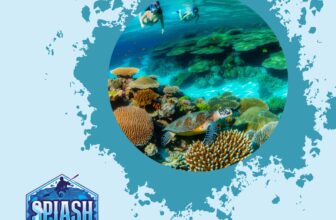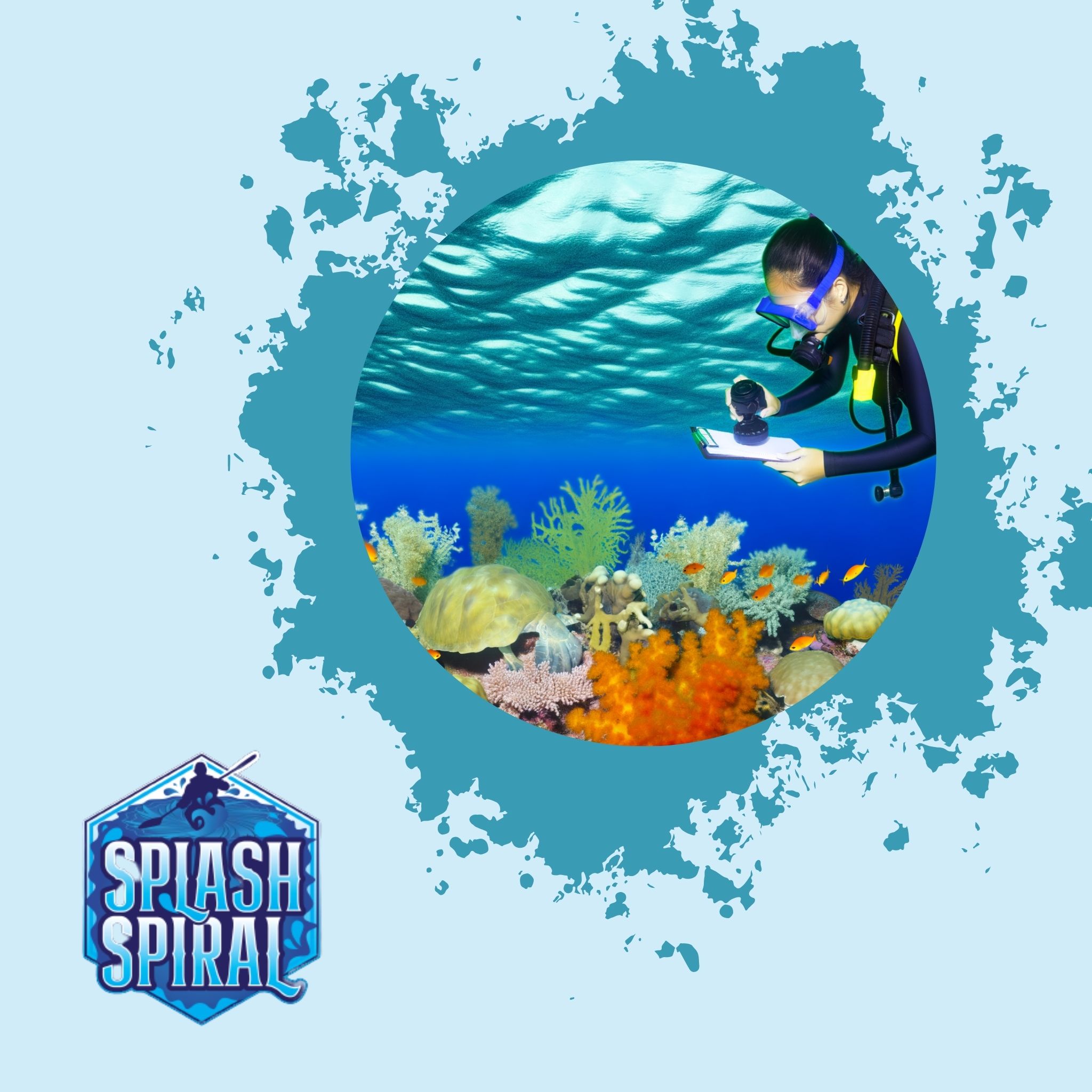
Marine heatwaves are like the hidden wildfires underwater, heating up the oceans and causing a ripple of effects on marine life. If you're a diver or planning to start diving, understanding these changes can be critical. With the global climate steadily warming, these underwater heatwaves are becoming more frequent and intense. This guide will walk you through what marine heatwaves are, their effects, and what divers like you can observe and do to help.
Introduction
Marine heatwaves are essentially periods when ocean temperatures rise significantly above the average seasonal levels. Think of them as heatwaves we experience on land but submerged in the aquatic environment. These events can last for days, weeks, or even months, and they are becoming more commonplace due to global climate change.
Understanding marine heatwaves is crucial for divers. These heat spikes don’t just make the water warmer; they trigger a cascade of effects that impact marine ecosystems. From altering fish behavior to causing widespread coral bleaching, marine heatwaves can transform the underwater landscape in ways you need to be prepared for. Knowing what to look out for and how to respond can help you make the most of your diving adventures, while also playing a part in protecting our oceans.
Causes of Marine Heatwaves
Understanding the causes of marine heatwaves is crucial for divers because it provides context and insight into the changes we're observing underwater. Let’s break it down into two main categories: natural factors and human-induced factors.
Natural Factors
Ocean Currents
Ocean currents play a pivotal role in the distribution of heat across the globe. When these currents change direction or strength, they can lead to localized heating. For instance, if a typically cool current slows down or shifts, warmer water may take its place, leading to a marine heatwave in that region. As divers, you might notice these changes as fluctuations in water temperature in areas that are usually consistent.
Weather Patterns
Weather patterns, particularly phenomena like El Niño and La Niña, are significant drivers of marine heatwaves. El Niño, for example, leads to warmer-than-average sea surface temperatures in the Pacific Ocean, which can disrupt marine ecosystems far beyond its point of origin. Recognizing the signs of these patterns can help you anticipate and understand the changes in water temperature during your dives.
Human-Induced Factors
Climate Change
Human activities have significantly increased greenhouse gas emissions, leading to global warming. This warming doesn't just affect the atmosphere; it also heats up the oceans. An increase of even a few degrees can tip the balance, causing marine heatwaves. For divers, this means that places you dive today might be warmer than you remember from past dives, impacting the marine life and coral you see.
Pollution
Pollution, particularly in the form of plastic waste, agricultural runoff, and industrial emissions, exacerbates the problem by further heating water bodies. Pollutants can trap heat in the water and disrupt the natural processes that help regulate ocean temperatures. As a diver, you might see an increase in algae blooms or murkier waters, which are often signs of pollution-driven temperature rises.
Understanding these causes not only helps you become a more informed diver but also empowers you to take part in mitigating these changes. Whether it's through reducing your carbon footprint or participating in local conservation efforts, every action counts. Happy diving!
Consequences of Marine Heatwaves
Marine heatwaves bring a slew of adverse outcomes, reshaping the underwater world divers treasure. Here are some of the key consequences you'll encounter:
Marine Life Stress
Physiological Stress
When ocean temperatures rise, marine creatures feel the heat—literally. Elevated temperatures can push the physiological limits of many species, impairing essential biological functions like growth, reproduction, and immune responses. This stress makes marine animals more susceptible to diseases, potentially leading to higher mortality rates. You might notice fish appearing lethargic or behaving erratically as they struggle to cope with the heat.
Habitat Shifts
Species not equipped to handle warmer waters often move to cooler areas. This biotic migration can wreak havoc on local ecosystems, altering the delicate balance of marine environments. If you're diving in areas experiencing heatwaves, expect to encounter species you wouldn't normally see. Remember, these shifts can set off a chain reaction, affecting everything from algae growth to the presence of apex predators.
Predator-Prey Relationships
The changing temperatures can upend established predator-prey dynamics. Warmer waters can either boost or decimate populations of specific species, leading to disrupted food chains. For instance, faster metabolism in warmer waters might increase predators' consumption rates, decimating their prey and causing a ripple effect throughout the ecosystem. Keep an eye out for unusual aggregations of specific fish or a scarcity where you'd typically spot abundance.
Coral Bleaching
Mechanism
Coral bleaching is one of the most visible impacts of marine heatwaves. Higher water temperatures cause corals to expel the symbiotic algae living in their tissues, losing their vibrant colors and essential energy sources. The result? Stressed, bleached corals that are at higher risk of disease and death. Recognizing this phenomenon is crucial for responsible divers; bleached corals lose their brilliant hues and appear white or translucent.
Impacts
The long-term repercussions of coral bleaching extend far beyond the corals themselves. Coral reefs support diverse marine life, offering food and shelter. When the corals die, the entire reef ecosystem can collapse, leading to a sharp decline in biodiversity. Moreover, devastated reefs can no longer provide the same level of coastal protection, impacting human communities that rely on them.
Ocean Warming
General Warming Trends
The persistent rise in ocean temperatures due to global climate change hits marine ecosystems hard. Warmer oceans can change species distributions, alter breeding cycles, and increase the frequency of harmful algal blooms. These shifts compromise not just the health of marine life but the underwater landscapes divers traverse.
Acidification
Marine heatwaves don't operate in isolation. They often work in tandem with ocean acidification, exacerbating its effects. Warmer water absorbs more CO2, further acidifying the ocean. This chemically aggressive environment weakens the shells and skeletons of calcifying organisms, from tiny plankton to large shellfish. For a deeper dive into this topic, check out Ocean Acidification's Impact on Shellfish.
Understanding these consequences better equips you to observe, report, and mitigate the effects of these underwater heatwaves. Whether by tracking stressed marine life or supporting local conservation projects, each diver plays a pivotal role in combatting this critical issue.
Diver Observations
Recognizing the Signs
When you're diving, it’s crucial to be observant. Marine heatwaves can cause noticeable changes underwater. Here’s what to look out for:
-
Heat-Stressed Marine Life: You might notice fish behaving oddly or appearing more lethargic than usual. In severe cases, some species can develop lesions or display unusual discoloration. If you see fish swimming erratically or hovering near the surface, that's a red flag.
-
Bleached Coral: Coral bleaching is a clear indicator of stress. Healthy corals have vibrant colors, but when they bleach, they turn white or very pale. This happens because they expel the symbiotic algae living in their tissues, which are vital for their health and color.
-
Unusual Sightings: Marine heatwaves can force species to move to new areas. You might spot creatures that typically reside in cooler waters. Keep an eye out for these unusual visitors and note their behavior and location.
Reporting and Action
As a diver, you can play a vital role in marine conservation through observation and reporting.
-
Citizen Science Projects: Many organizations rely on divers to report their underwater observations. Apps and websites allow you to log sightings of stressed marine life and bleached coral. Your data helps scientists track changes and understand the impacts of marine heatwaves better.
-
Conservation Efforts: Engage with local conservation projects. That can include anything from participating in reef clean-ups to helping to plant resilient coral species. Your involvement can directly contribute to mitigating the effects of marine heatwaves.
Best Practices for Diving in Affected Areas
It's not just about what you see; it's also about how you dive.
-
Minimizing Impact: Avoid touching corals or disturbing marine life. Ensure your buoyancy control is perfect, so you don’t accidentally kick the reef. These small efforts keep stressed ecosystems from further damage.
-
Supporting Local Conservation: Consider contributing to local conservation initiatives financially or through volunteer work. These projects often need funds and hands-on support to implement effective conservation strategies.
Diving responsibly and being vigilant about the signs of marine heatwaves can help protect these precious ecosystems. Always remember, a mindful diver is a conservationist at heart.
Conclusion
Marine heatwaves present a clear and present challenge to our oceans, but divers are uniquely positioned to observe, mitigate, and report on these changes. Just to recap: Marine heatwaves are driven by both natural factors like shifts in ocean currents and weather patterns, and human-induced factors such as climate change and pollution. Their consequences ripple through marine ecosystems, stressing aquatic creatures, shifting habitats, altering predator-prey dynamics, and devastating coral reefs through bleaching and increased ocean warming.
As divers, recognizing signs of marine heatwaves—such as stressed marine life, bleached coral, and unusual underwater sightings—empowers you to contribute to citizen science projects and local conservation efforts. By diving responsibly and minimizing your impact, you can help protect these fragile environments. Active involvement in local conservation—whether through volunteer work or financial contributions—further bolsters these efforts.
Ultimately, the more you understand about marine heatwaves, the more effective you can be in reducing their impact. Continue expanding your knowledge and take part in conservation initiatives to ensure that future generations can enjoy the beauty of our underwater worlds. Your awareness and actions make a significant difference in the fight to protect our oceans.