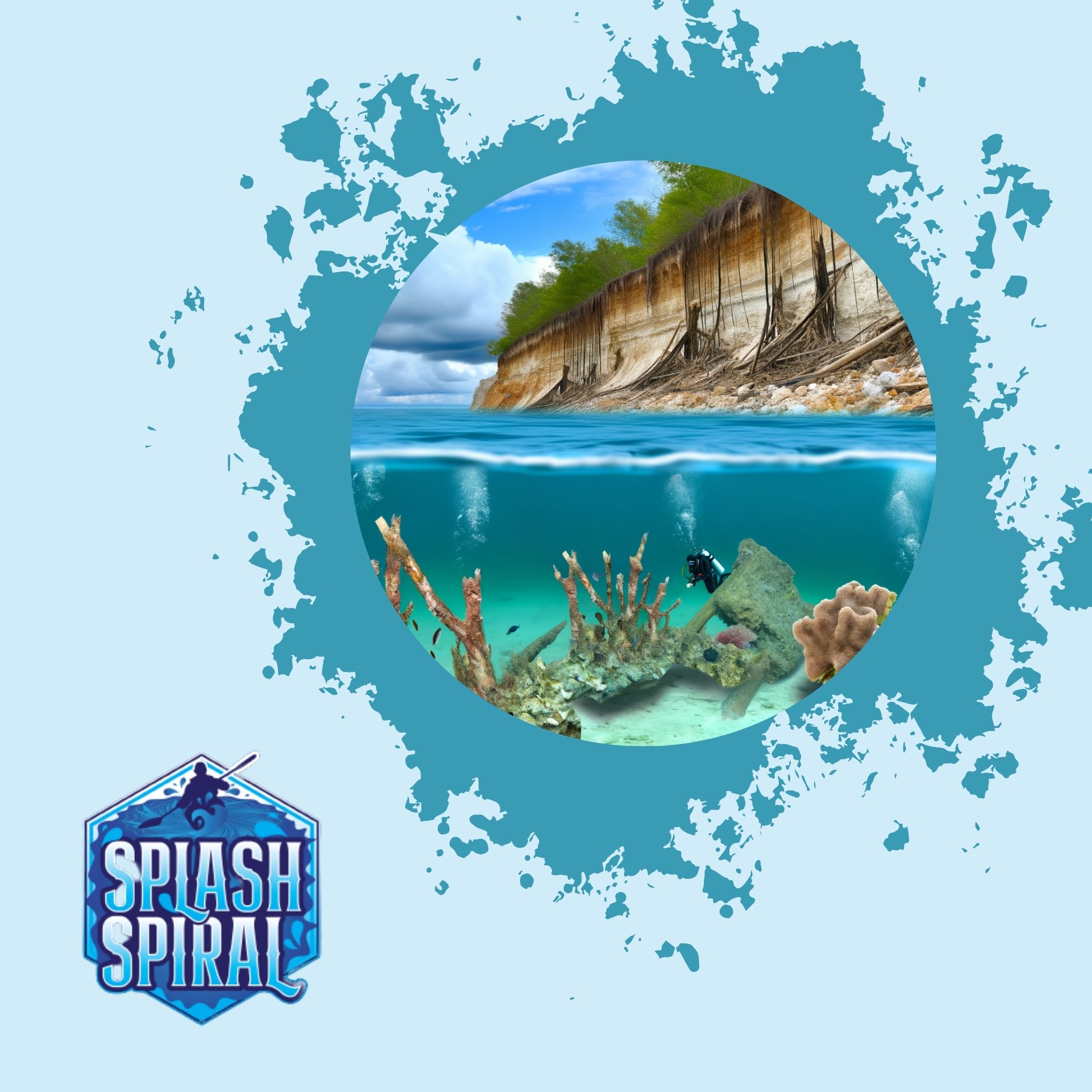
Coastal erosion is a growing concern, impacting various aspects of marine ecosystems and the recreational activities that depend on them. For beginner divers and those interested in diving, understanding the implications of coastal erosion is crucial for both awareness and conservation efforts. Let's dive into the essentials you need to know.
Introduction <–
Coastal erosion is the gradual wearing away of land by natural forces such as waves, currents, and tides, as well as human activities like construction and mining. For marine habitats and dive sites, this process is not just a geological phenomenon—it's a transformative force that can reshape underwater landscapes, affect marine life, and ultimately influence diving experiences.
As a beginner diver or someone looking to take the plunge, understanding coastal erosion is essential. It provides context for the changes you might observe underwater and highlights the need for conservation. Awareness of these dynamics ensures that your dives are not only enjoyable but also environmentally mindful. By learning about coastal erosion, you join a community of divers committed to protecting the marine environments that make diving such an extraordinary adventure.
What is Coastal Erosion?
Coastal erosion is the process by which coastlines are gradually worn away by natural forces such as wave action, tidal currents, and weathering. Essentially, the land meets the sea, and the sea tends to win. Picture it as Mother Nature's relentless effort to smooth out the edge of a cookie—only this cookie is made up of sand, rocks, and cliffs.
There are two main types of coastal erosion: natural and human-induced.
Natural Factors
Natural erosion is caused by elements like wind, waves, and rising sea levels. Over time, these forces chip away at the coastline, transporting sediments from one place to another. Tsunamis, storms, and hurricanes can also dramatically accelerate erosion, reshaping coastal landscapes in a matter of hours.
Human-Induced Factors
Humans aren’t innocent bystanders either. Activities such as construction, dredging, and the creation of seawalls can disrupt natural processes, sometimes making erosion worse. Coastal developments often remove vegetation that would otherwise help hold the shore together. When you add in the impact of climate change—rising sea levels and more intense storms—the human footprint becomes even more significant.
For beginner divers, understanding this process helps put into perspective why dive sites evolve over time and why conservation matters. The very underwater landscapes you explore are shaped by these forces, making erosion a key element in the ever-changing seascape.
Coastal Erosion Marine Impact
Coastal erosion has a direct and often devastating impact on marine habitats, and by extension, on the experiences of divers. Here are some of the key consequences of coastal erosion:
Loss of Biodiversity
One of the most immediate effects is the loss of biodiversity. As coastlines erode, the natural habitats for many marine species are disturbed or completely destroyed. This disruption can lead to:
- Decline or even extinction of species
- Loss of species that rely on specific coastal environments to thrive
Alteration of Marine Ecosystems
Another significant consequence is the alteration of marine ecosystems. The removal or shifting of sand, rocks, and other coastal materials changes the landscape underwater. This can result in:
- Displacement of marine life
- Forced relocation to new areas with different environmental conditions and available resources
- Ripple effects through the food chain, affecting everything from tiny plankton to larger predators
Mitigating Coastal Erosion
Mitigating these effects requires robust coastal protection efforts. Strategies to preserve these vital ecosystems include:
- Building barriers
- Restoring natural vegetation
- Enacting policies to limit human activity that accelerates erosion
These measures are crucial as they help maintain the balance and health of marine habitats that are essential for both marine life and diving activities.
Conservation Awareness for Divers
Understanding these impacts is key for beginner divers. It heightens awareness about the ecosystems they are exploring and underscores the importance of participating in conservation efforts. By protecting the coastlines, we safeguard:
- Enchanting dive sites
- Diverse marine life that makes diving a unique and precious experience
For further insightful reading, you can check out the article on Ocean Gyres: Understanding Plastic Accumulation Zones, which delves into another pressing issue affecting our oceans.
Changes in Dive Sites Due to Erosion
Coastal erosion doesn't just change the landscape above water; it significantly reshapes the underwater environment as well. For beginner divers, these changes might be more obvious than you'd think. Erosion can lead to the collapse of underwater structures, shifts in sediment, and even the loss of key marine habitats. These transformations often result in new underwater terrain that divers must adapt to, turning familiar dive sites into uncharted territory.
Changes in Topography
First off, you'll notice changes in the topography of the dive sites:
- Sediment Loss: Shores eroded by waves and currents can lose significant amounts of sediment.
- New Deposits: Sediment often gets deposited elsewhere, creating new features like sandbanks and underwater ridges.
- Depth Variations: Previously deep dive sites can become shallower.
If you're used to diving in specific spots, these alterations can make navigation tricky but also offer new sites to explore. Keep an open mind and be prepared for the unexpected.
Shifts in Marine Life
Next, the shifts in marine life can be striking:
- Sensitive Species: Many species are highly sensitive to environmental changes and may move elsewhere if their habitats get altered or destroyed.
- Coral Reefs: Coral reefs are particularly vulnerable to sedimentation from erosion, which can reduce light penetration and stress the corals, leading to decreased biodiversity.
You might find that popular areas for spotting certain fish or corals have changed significantly. It's both a challenge and an opportunity to discover new marine life patterns and behaviors.
How to Adapt
So how do you adapt?
- Stay Informed: Keep in touch with local dive shops or online diving communities for the latest updates on dive spots. They often have current information on how specific sites are holding up and any recent changes.
- Skill Enhancement: Consider taking refresher courses or specialty dives that focus on navigation and identifying underwater features. These courses can enhance your skills in adapting to new underwater landscapes.
In sum, while coastal erosion presents challenges, it also offers a dynamic, ever-changing underwater environment that can be incredibly rewarding. As a beginner diver, understanding and adapting to these changes is part of the journey, broadening your experience and appreciation for the diverse and fragile ecosystems you explore.
Marine Habitats at Risk
Coastal erosion can wreak havoc on various marine habitats, each uniquely valuable to marine biodiversity and the diving experience. Here are a few key habitats that are particularly vulnerable:
Coral Reefs
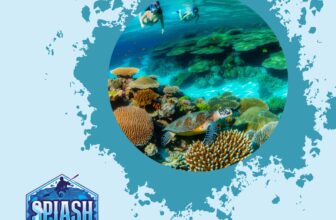
Coral reefs, often referred to as the "rainforests of the sea," are among the most diverse ecosystems on the planet.
- Impact of Coastal Erosion: Coastal erosion can smother these fragile structures with sediment, blocking sunlight essential for photosynthesis.
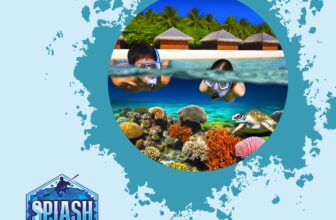
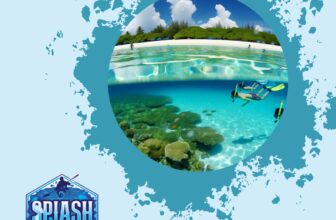
- Diving Experience: For beginner divers, healthy coral reefs are a visual treat, showcasing bursts of color and myriad marine life.
- Signs of Degradation: As erosion advances, you might witness bleached corals, less vibrant ecosystems, and a decrease in fish populations that depend on healthy reefs to thrive.
- Conservation Need: Protecting these underwater gems requires both local and global conservation efforts.
Seagrass Beds
Seagrass beds are critical breeding and feeding grounds for many marine species, including some you may encounter on your dives.
- Ecological Importance: They act as nurseries for young fish and provide shelter for various organisms.
- Vulnerability: Highly susceptible to sedimentation caused by coastal erosion.
- Diving Experience: As a diver, you might notice dwindling numbers of species like seahorses and manatees that usually frequent these submerged meadows.
- Consequences: The loss of seagrass can significantly disrupt local marine ecosystems and diminish the overall diving experience.
Mangroves
Mangroves are coastal powerhouses that serve multiple ecological functions.
- Ecological Role: Stabilize shorelines, reduce erosion, and provide a buffer against storms and wave action.
- Habitat Significance: The intricate root systems of mangroves are breeding grounds for fish, crustaceans, and other marine life.
- Diving Experience: Coastal erosion degrade these vital areas, leading to a loss in habitat complexity and a decline in the species that depend on them.
- Conservation Efforts: Conserving mangroves involves reforestation projects and sustainable coastal management practices.
Broader Ecological Impact
The broader ecological impact of losing these habitats due to coastal erosion touches on more than just biodiversity.
- Food Web Disruption: Interferes with the food web and displaces species.
- Human Impact: Can affect local human communities that rely on these marine ecosystems for their livelihoods.
- Diver's Role: Understanding these connections highlights the importance of your role in promoting and supporting conservation efforts.
- Action Items: Participate in eco-friendly diving practices or advocate for policy changes.
Key Takeaways
- Appreciation: Being aware of the risks and impacts of coastal erosion on these critical habitats helps you appreciate the underwater world even more.
- Engagement: By learning about and engaging in conservation practices, you contribute to preserving these stunning marine environments for future diving adventures.
The Role of Environmental Conservation
Environmental conservation plays a critical role in combating coastal erosion and preserving marine habitats that divers cherish. As a beginner diver, you're not just there to enjoy the underwater beauty but also to contribute to its sustainability. Here's how you can make a difference.
Why Conservation Matters
Coastal erosion doesn’t just wash away beaches; it disrupts entire ecosystems. Marine habitats like coral reefs, seagrass beds, and mangroves act as natural buffers, protecting coastlines from further erosion while providing homes for diverse marine life. Conserving these habitats ensures that the interconnected marine ecosystems remain intact, supporting both the wildlife and the dive sites that attract enthusiasts worldwide.
Practical Tips for Beginner Divers
Even as a novice, you can actively participate in conservation efforts. Here are a few simple but effective actions you can take:
-
Participate in Beach Clean-Ups:
Organized beach clean-ups are often held by local diving communities and environmental organizations. These events are an excellent way to meet fellow divers, learn about marine conservation, and directly contribute to reducing pollution, which exacerbates coastal erosion. -
Support Sustainable Tourism Practices:
Choose dive operators who prioritize eco-friendly practices. Look for certifications like Green Fins or Blue Certified, which indicate a commitment to sustainability. By patronizing responsible operators, you encourage the entire industry to adopt better practices. -
Mind Your Fins:
While diving, be conscious of your movements to avoid damaging fragile marine environments like coral reefs. Learning proper buoyancy control not only enhances your diving experience but also minimizes your impact on the underwater world.
- Reduce Plastic Use:
The less plastic you use, the less finds its way into our oceans. Simple swaps like reusable water bottles, cloth bags, and eco-friendly dive gear can significantly reduce your plastic footprint.
Resources to Get Started
To deepen your understanding of marine conservation and how you can contribute, check out Bioluminescence in the Ocean: A Diver's Guide to Light-Producing Organisms for fascinating insights into the underwater world. Engaging with these resources enriches your diving experience and reinforces the importance of protecting what you love.
By integrating these practices into your diving routine, you not only become a more responsible diver but also a guardian of marine habitats. Small actions, collectively taken, make a substantial difference in the fight against coastal erosion and its impact on our precious dive sites.
Staying Informed and Involved
Importance of Knowledge
As a beginner diver, staying informed about coastal erosion and its impacts is key. Knowledge is your first tool in contributing to conservation. Here's how you can stay informed:
- Follow Reputable Sources: Read scientific studies and articles that track changes in marine environments.
- Online Resources: Websites like the Diving Section on Splash Spiral can be gold mines for the latest updates, research findings, and practical advice.
Community Involvement
Joining local diving communities or environmental groups can enhance your impact. Here are some benefits:
- Enriched Diving Experience: Being part of a community keeps you updated on local conservation efforts.
- Organized Activities: These groups often organize beach clean-ups, educational meetings, and other activities, allowing you to participate more actively.
Further Education
Consider investing time in further reading and training to enhance your knowledge and effectiveness:
- Books & Documentaries: Focus on marine conservation topics.
- Courses: Enroll in courses that offer actionable steps for combating coastal erosion.
The more you know, the more effective you'll be in contributing to the effort against coastal erosion.
Conclusion
Understanding coastal erosion and its profound effects on marine habitats and dive sites is essential for anyone stepping into the world of diving. We've broken down how the erosion process, fueled by both natural forces and human activities, deteriorates the underwater landscapes and disrupts marine life. From the dwindling biodiversity in delicate coral reefs to the disappearing seagrass beds and mangroves, the repercussions are evident and urgent.
But knowledge alone isn't enough. Awareness needs to be coupled with action. Beginner divers can play a pivotal role in conservation efforts, contributing to beach clean-ups, supporting sustainable tourism, and remaining informed about environmental issues. Small, consistent actions matter and can help mitigate the adverse effects of coastal erosion.
As you embark on your diving journey, remember that you're not just a visitor to this underwater world, but a steward of its future. By being mindful and proactive, you help ensure that the majestic beauty and rich diversity of marine ecosystems continue to thrive for generations to come. Dive with purpose and protect what you explore.