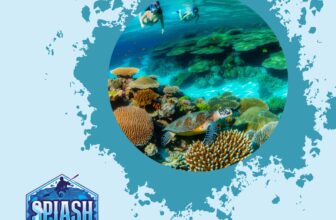
Diving into the deep blue isn't just an adrenaline rush; it's also a window into the complexity of marine ecosystems. One of the critical factors in these environments is ocean alkalinity, which plays a significant role in maintaining the pH balance vital for marine life. If you're a beginner diver or thinking about starting, getting a grip on ocean chemistry can significantly enhance your underwater experience. This guide dives into what you need to know about ocean alkalinity and its changes.
Introduction
When you think about diving, it's natural to focus on the thrill of exploring underwater landscapes and encountering marine life. However, understanding the environment you're diving into can elevate your experience to a whole new level. Ocean alkalinity is one of those crucial yet often overlooked aspects of marine environments that every diver should be aware of. Simply put, it's a measure of the ocean's ability to neutralize acids, which helps maintain a stable pH balance—essential for the health of marine ecosystems.
So, why should beginner divers care about ocean chemistry? First off, being informed helps you become a more responsible diver. Recognizing how delicate and interconnected marine ecosystems are allows you to appreciate the underwater world more deeply and minimizes your environmental impact. Secondly, understanding ocean alkalinity and pH changes can actually affect your diving conditions—like visibility and the overall health of coral reefs.
By getting familiar with these concepts, you’re not just taking a plunge into the water; you're diving into a more informed, respectful, and enriching underwater adventure.
The Basics of Ocean Alkalinity
Alright, let's get down to the nitty-gritty of ocean alkalinity. Simply put, ocean alkalinity is a measure of the ocean's ability to neutralize acids. Think of it like a buffer that helps keep the ocean's pH levels stable despite various external influences. It's a bit like how antacid tablets neutralize stomach acid, keeping everything balanced.
Now, you might wonder how alkalinity is different from acidity. While alkalinity refers to the capacity to neutralize acids, acidity is basically the concentration of hydrogen ions in the water. So, high alkalinity doesn't mean the water is very alkaline; it simply has a greater ability to maintain a steady pH level by neutralizing acids.
Why should you care about all this? Well, alkalinity is crucial for maintaining the pH balance of the ocean. A stable pH is vital for marine life, from tiny plankton to massive coral reefs. When the pH balance is disrupted, it can affect the health and survival of marine organisms. For instance, if the water becomes too acidic, it can weaken the shells of mollusks and harm coral reefs, which are essential for supporting marine biodiversity.
Understanding the role of ocean alkalinity can give you, as a diver, a deeper appreciation for the underwater world and why it's important to protect it. It’s not just about swimming with the fish; it's about understanding the delicate balance that allows these ecosystems to thrive.
pH Balance: The Lifeblood of Marine Ecosystems
pH balance is essentially a measure of how acidic or alkaline the water is. In the context of marine ecosystems, maintaining a balanced pH is crucial for the health and stability of the ocean's environment. For a beginner diver, think of pH as the behind-the-scenes manager ensuring everything runs smoothly underwater. It's the unsung hero that affects everything from the clarity of the water to the well-being of marine creatures.
In marine ecosystems, the pH scale runs from 0 to 14, with 7 being neutral. A pH level below 7 indicates acidity, while a level above 7 signifies alkalinity. The ocean's natural pH typically hovers around 8.1, making it slightly alkaline. This pH level is conducive to the complex biochemical processes that sustain marine life—from thriving coral reefs to abundant fish populations.
When we talk about pH balance in marine ecosystems, we are referring to the ocean's ability to maintain this delicate equilibrium. Disruptions in pH levels can throw marine environments into chaos. A drop in pH levels, for instance, means the water becomes more acidic, which can wreak havoc on marine life. Acidification can weaken coral skeletons, disrupt fish migration patterns, and even affect the reproductive capabilities of various marine species.
Understanding how pH changes affect marine life is key for any diver. Marine organisms, particularly those that form shells or skeletons from calcium carbonate, are highly sensitive to pH fluctuations. Acidified waters can dissolve calcium carbonate, making it more difficult for these organisms to maintain their structural integrity. This has a cascading effect, as entire food webs can be compromised when key species are adversely affected.
So, why does this matter to you as a diver? Being aware of the pH balance can elevate your diving experience. You'll have a deeper appreciation for the delicate conditions that sustain underwater life. Plus, knowing the signs of pH imbalance—like bleached corals or decreased fish activity—can inform your choices about where and how to dive responsibly. It can also inspire you to take actions that mitigate your impact, ensuring the underwater world remains vibrant for future divers.
In short, pH balance is like the pulse of the ocean, vital and worth understanding. Next time you dive, think about the intricate dance of chemical balances that makes the marine world so captivating.
The Science Behind Ocean Alkalinity Changes
When it comes to the intricate relationship between ocean alkalinity and pH balance, there are several key factors that every aspiring diver should understand. These factors are constantly at play, influencing the marine environment in ways that can affect your diving experiences.
Carbon Dioxide Absorption
One of the primary drivers of changes in ocean alkalinity is the absorption of carbon dioxide (CO2) from the atmosphere. When CO2 dissolves in seawater, it forms carbonic acid, which then partially dissociates into bicarbonate and hydrogen ions. This process lowers the pH, making the water more acidic. The ocean acts as a giant sink, absorbing about a quarter of human-produced CO2, which is a lot when you think about the sheer volume involved. Increased carbon dioxide levels can upset the delicate balance of ocean chemistry, leading to widespread impacts on marine life, especially those relying on calcium carbonate for their shells and skeletons.
Temperature Changes
Temperature variations also play a pivotal role in determining ocean alkalinity. Warmer waters tend to have lower gas solubility, meaning they can hold less dissolved CO2. This interplay between temperature and CO2 solubility directly impacts the ocean's alkalinity levels. Additionally, rising sea temperatures can enhance the process of thermal stratification, limiting the mixing of surface waters with deeper, nutrient-rich layers. This reduced mixing can disrupt the natural buffering ability of the ocean, causing further shifts in pH levels.
Salinity Levels
Salinity, or the concentration of salts in seawater, is another key factor that influences ocean alkalinity. Variations in salinity can result from changes in freshwater input via rivers, melting ice caps, and precipitation. Higher salinity levels usually boost ocean alkalinity because the bicarbonate and carbonate ions that help buffer pH are more concentrated. Conversely, lower salinity dilutes these ions, reducing the water's capacity to neutralize acids. Understanding how fresh and saltwater interact can provide insights into regional differences in ocean chemistry, offering a more nuanced perspective for divers exploring various marine environments.
Grasping these scientific principles won't just satisfy your curiosity; it will also equip you with the knowledge to understand the ever-changing conditions of the underwater world. This way, you can make informed decisions during your dives, ensuring a more rewarding and responsible experience.
Environmental Impact of Changing Ocean Alkalinity
When you slip below the surface, you enter a world where balance is everything, and ocean alkalinity plays a pivotal role in that equilibrium. But what happens when this balance tips? Let’s break it down.
One of the most pressing concerns is the effect on marine biodiversity. Changes in ocean alkalinity are often linked to shifts in pH levels, which can have devastating consequences for marine organisms. For instance, many creatures use calcium carbonate to build their shells and skeletons. If the pH drops (becomes more acidic), calcium carbonate becomes less available, and species that depend on it struggle to grow and survive. That means fewer mollusks, corals, and certain types of plankton—organisms that form the very foundation of the marine food chain.
Perhaps the most famous victims of changing ocean alkalinity are coral reefs. These vibrant ecosystems, often dubbed the “rainforests of the sea,” rely heavily on stable alkalinity levels. When the ocean absorbs more carbon dioxide, it leads to acidification, stressing corals and making them more susceptible to bleaching. Without these reefs, we not only lose biodiversity hotspots but also natural barriers that protect coastal communities from storm surges and erosion.
Other critical habitats, like seagrass beds and mangroves, also feel the strain. These areas serve as nurseries for many marine species and as buffers against coastal erosion. Shifts in ocean alkalinity can alter their growth, disrupt nutrient balance, and affect the myriad species that depend on them.
So, the next time you prep for a dive, remember that the magic beneath the waves relies on a delicate chemical dance. By understanding and respecting this balance, you’re not just observing marine life—you’re helping to protect it.
Relevance for Divers: What You Need to Know
Ocean alkalinity might not be the first thing that comes to mind when you think about diving, but it should be on your radar. Changes in ocean alkalinity can directly impact your diving experience in various ways, from water clarity and visibility to the health of marine biodiversity you aim to explore.
How Changes in Ocean Alkalinity Affect Your Diving Experience
As ocean alkalinity fluctuates, it leads to changes in pH levels, which can have a cascading effect on marine environments. Lower pH levels, often referred to as ocean acidification, can deteriorate coral reefs, leading to less vibrant dive sites. Additionally, shifts in pH balance can affect the behavior and survival of marine creatures. For example:
- Coral Reefs: Deterioration due to acidification can lead to less vibrant dive sites.
- Marine Life Behavior: Some species may become more elusive, while others might gather in larger, more noticeable schools.
Understanding the underlying ocean chemistry is essential for anticipating the state of your dive spots.
Importance of Diver Awareness in Minimizing Environmental Impact
A well-informed diver is a responsible diver. Being aware of the changes in ocean alkalinity and the resulting environmental impact can help you make conscious decisions during your dives. For instance:
- Buoyancy Control: Knowing that certain marine ecosystems are under stress from pH changes might encourage you to practice better buoyancy control to avoid damaging delicate underwater structures.
Best Practices for Divers
To minimize your environmental footprint and contribute to marine conservation, consider the following best practices:
-
Respect Marine Life:
- Avoid touching or disturbing coral reefs and marine animals.
- Even a minor touch can cause significant harm, especially to structures weakened by shifts in pH levels.
-
Practice Good Buoyancy Control:
- Maintaining neutral buoyancy will prevent you from accidentally kicking up sediment or damaging marine habitats.
-
Limit Chemical Exposure:
- Minimize the use of pollutants like sunscreen or other chemicals that can further disrupt marine ecosystems.
For more detailed advice, check out this comprehensive guide on Diver Interactions with Marine Life – Best Practices for Minimal Impact.
Understanding the nuances of ocean alkalinity doesn't just make you a more knowledgeable diver – it also transforms you into a steward of the underwater world. By fostering a deeper appreciation for the science that sustains these ecosystems, you'll enhance your diving adventures and contribute positively to marine conservation.
Enhancing Dive Training with Ocean Chemistry
Diving isn’t just about mastering buoyancy or breath control. Understanding the basics of ocean chemistry, including alkalinity, can significantly improve dive safety and the overall experience. Here’s how.
Improving Dive Safety
Knowing about ocean alkalinity and pH changes allows divers to anticipate and recognize environments that might impact their health and safety. For instance:
- pH Level Changes: Variations can indicate the presence of pollutants or harmful algal blooms, dangerous not just to marine life but also to divers.
- Informed Decisions: By interpreting these signs, divers can make more informed choices about where and when to dive.
Incorporating Ocean Chemistry into Dive Training Programs
-
Basic Ocean Chemistry Lessons:
- Fundamentals: During initial certification courses, introduce beginner divers to the concept of ocean alkalinity and its significance.
- Simple Analogies: Explain how it affects the water's pH and why stability is crucial for marine life and human safety.
-
Field Observations:
- Practical Learning: Encourage divers to observe and record pH levels during their training dives.
- Testing Kits: Equip them with simple pH testing kits for use before and after dives, making the science tangible and demonstrating real-world variations.
-
Safety Protocols:
- Identification: Teach divers how to recognize signs of water quality issues, such as discoloration or fish die-offs.
- Response Steps: Establish steps to take when encountering these conditions, including aborting the dive if necessary for health reasons.
- Advanced Courses:
- Deeper Understanding: Offer courses focusing on marine conservation and the impact of chemical changes in the ocean.
- Environmental Factors: Discuss how factors like carbon dioxide absorption and temperature fluctuations affect alkalinity and marine ecosystems.
By embedding ocean chemistry into your dive training, you equip yourself with the knowledge to protect your health and safety. This approach also nurtures a more informed and responsible diver. Understanding these elements enhances your connection to the underwater world, making each dive not just an adventure but also a learning experience.
Next time you dive, consider the unseen layers of the water around you—it’s a small step towards more conscientious and enriched diving.
Practical Steps to Mitigate Negative Impacts
Exploring the underwater world is not only awe-inspiring but also comes with responsibility. As divers, we have a unique opportunity to protect and preserve the marine environments we so deeply admire. Here are some practical steps you can take to help maintain healthy marine ecosystems and promote conservation efforts within the dive community.
1. Mind Your Buoyancy
- Practice Regularly: Maintaining proper buoyancy is essential for avoiding accidental contact with the delicate underwater environment.
- Hover Effortlessly: Regularly practice your buoyancy control to avoid kicking up sediment or damaging coral reefs.
2. Use Reef-Safe Products
- Choose Wisely: Select sunscreens and other personal care products that are free from harmful chemicals such as oxybenzone and octinoxate.
- Prevent Pollution: These substances can wash off during dives and contribute to coral bleaching and other forms of marine pollution.
3. Limit Physical Interactions
- Hands-Off Approach: While the temptation to touch or interact with marine life is strong, maintain a hands-off approach.
- Protect Species: Even gentle touches can harm fragile species or disrupt their natural behaviors.
4. Participate in Underwater Cleanups
- Join Cleanups: Participate in organized underwater cleanup events.
- Collect Debris: Take it upon yourself to collect debris during your dives, reducing marine litter and protecting marine life.
5. Advocate for Marine Conservation
- Spread Awareness: Educate fellow divers and your community about the importance of marine conservation.
- Support Initiatives: Back organizations and efforts dedicated to preserving marine environments and advocate for effective conservation policies.
6. Respect Marine Protected Areas (MPAs)
- Follow Guidelines: Adhere to the rules and regulations established for Marine Protected Areas.
- Conserve Habitats: MPAs are crucial for conserving marine life and habitats; follow the rules strictly, such as not removing anything from these environments.
7. Monitor Local Conditions
- Stay Informed: Keep an eye on reports of ocean conditions such as temperature changes and harmful algal blooms.
- Choose Wisely: Opt to dive in areas where conditions are stable to lessen the ecological footprint of your activities.
8. Educate Yourself and Others
- Continual Learning: Stay informed about ocean chemistry, including pH changes and ocean alkalinity impacts.
- Share Knowledge: Foster a community that values marine conservation by sharing your knowledge with other divers.
9. Support Sustainable Dive Operations
- Choose Eco-Friendly: Opt for diving operators and businesses that follow environmentally friendly practices.
- Look for Certification: Preferably, choose those certified as eco-friendly or that have a solid reputation for conservation.
By integrating these practices into your diving routine, you not only enhance your experience but also contribute to the long-term health of marine ecosystems. The dive community has a vital role in ocean conservation, and every small action helps create a ripple effect towards a healthier, more sustainable underwater world.
Conclusion
Understanding ocean alkalinity and its relationship with pH changes isn't just trivia for marine scientists—it's essential knowledge that can deepen your diving experience. By grasping the basics of ocean alkalinity, you can better appreciate the intricate balance that sustains marine life. From how it affects marine ecosystems to its direct impact on your diving adventures, being aware of these factors makes you a more responsible and informed diver.
Key takeaways include recognizing the importance of pH balance, the environmental factors influencing ocean alkalinity, and the significant role divers play in preserving marine habitats. Beginner divers are encouraged to continue learning about ocean chemistry, not only to enhance their dives but also to contribute to the broader effort of marine conservation.
Armed with this knowledge, you're better equipped to enjoy the underwater world while minimizing your impact on it. For further insights, explore our resources on Scuba Diving and Diving.
Dive deeper into ocean knowledge and make a real difference!