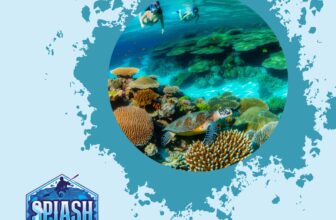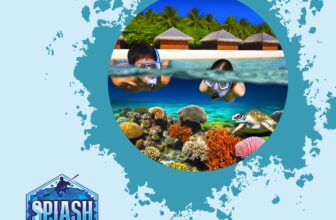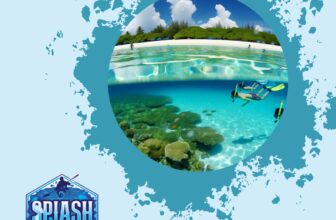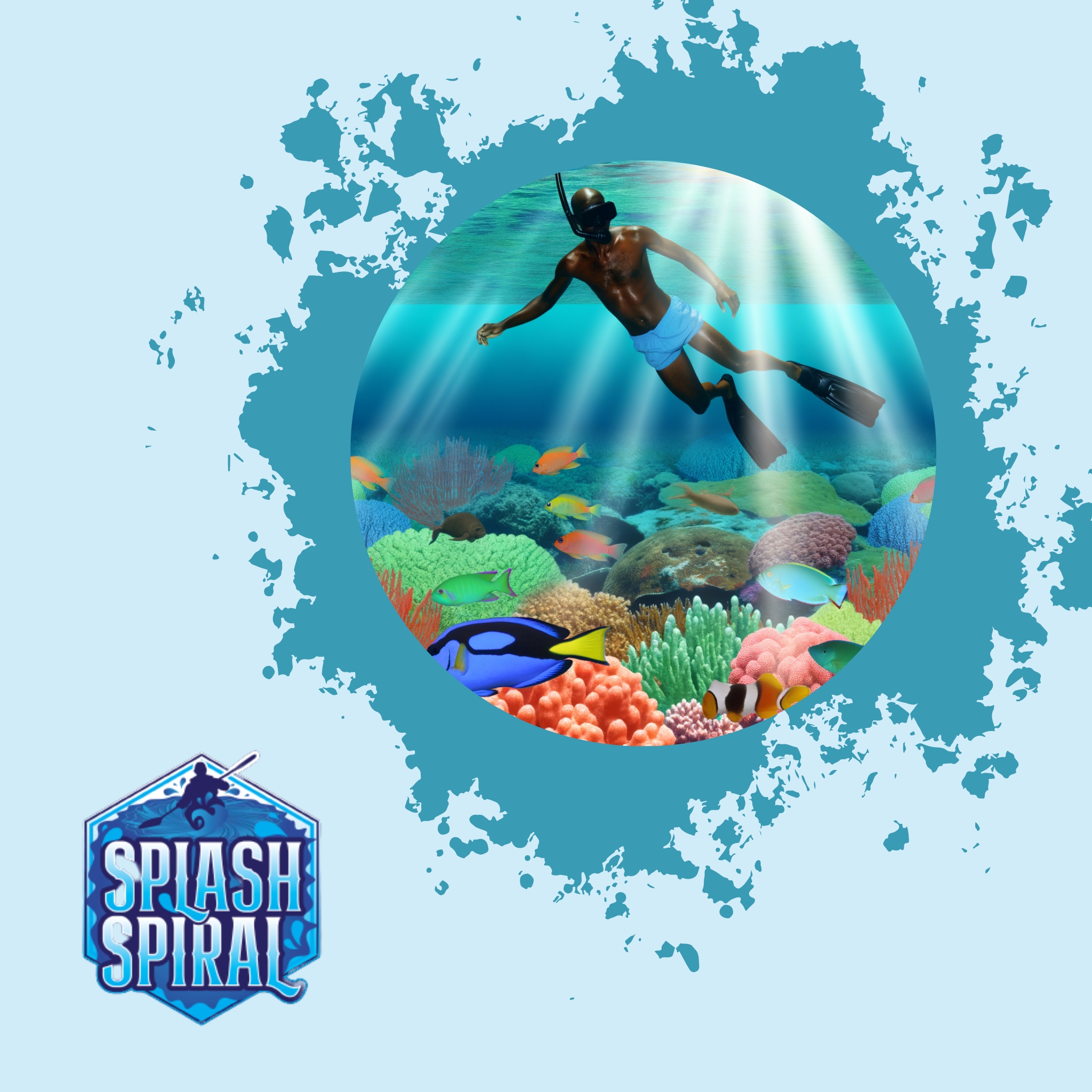
Snorkeling enthusiasts, as well as newcomers dipping their toes into the underwater world, all share one common desire – experiencing the best underwater visibility. The thrill of observing vibrant coral reefs and swarming tropical fish is unmatched, but achieving that perfect, crystal-clear view can be challenging without the right information. Here’s a practical guide to help you explore the top snorkeling spots around the world, and the best times to visit them.
Understanding Underwater Visibility
Underwater visibility is the clarity and distance you can see while snorkeling beneath the water's surface. It's what transforms an underwater escapade into a visually stunning adventure, allowing you to immerse yourself fully in the vibrant world below. Visibility is not static—it's influenced by several factors that can either illuminate the underwater landscape or shroud it in a murky haze.
Weather conditions play a huge role. Wind and rain can stir up sediment, reducing clarity, while calm and sunny weather often promises clearer views. Water temperature also affects visibility. Warmer waters tend to have more plankton and algae, which can cloud your vision, while cooler waters might offer a clearer path but fewer encounters with tropical fish.
Human interference is another significant factor, ranging from boating activity that stirs up sediment to pollution that clouds the water. In heavily trafficked areas, visibility may be poor compared to less visited spots that remain pristine and undisturbed.
To make the most of your snorkeling adventures, it's crucial to check snorkeling conditions beforehand. Websites like Snorkeling Conditions Forecast offer insights into current water conditions, helping you plan your venture for the best possible underwater experience. By understanding these elements, novice snorkelers can increase their chances of seeing crystal-clear views, transforming their snorkeling trips into unforgettable excursions.
Top Destinations for Best Underwater Visibility
1. The Great Barrier Reef, Australia
The Great Barrier Reef is a snorkeling paradise for a good reason. Renowned worldwide, it boasts over 2,300 kilometers of vibrant marine ecosystems. Snorkelers flock here for the sheer diversity of marine life, including colorful coral, turtles, and a kaleidoscope of fish species. For the clearest views, plan your visit between June and October, when the water is calm and visibility is at its peak. Remember, booking during these months allows you to dodge the rainy season as well as the onset of cyclones, ensuring an optimal underwater spectacle.
2. The Maldives
The Maldives is synonymous with crystal-clear waters. This island nation offers idyllic snorkeling conditions with its warm, calm seas. Best viewed from December to April, the dry season minimizes cloud cover, turning the underwater environment into a dazzling panorama. While monsoons from May to November can stir up sediment and obscure clarity, they also come with fewer tourists, so it’s all about what you prioritize. Either way, expect to encounter a vibrant aquatic tapestry, including manta rays and reef sharks.
3. Belize Barrier Reef, Central America
With its turquoise waters and captivating marine life, the Belize Barrier Reef is a haven for snorkelers. As part of the second-largest coral reef system in the world, it offers consistently good visibility year-round. However, the sweet spot is between November and May. During this time, the dry season reduces runoff, ensuring the water stays pristine. As a beginner, starting with a guided tour is recommended to enhance your experience and guide you through responsible snorkeling practices. With ongoing conservation efforts, this reef not only offers breathtaking views but also teaches you the importance of marine preservation.
When to Snorkel for Optimal Experiences
Timing is everything when it comes to snorkeling with the best underwater visibility. To truly appreciate the underwater spectacle, you need to be aware of the tide schedules, weather conditions, and even the season.
Tidal movements play a huge role in determining the clarity of the water. Generally, snorkeling during high tide offers better visibility as the water tends to be deeper and less stirred up by the waves crashing into the shore. During low tide, the water may be too shallow, and the sand gets churned, reducing clarity. However, in some locations, a mid-tide can balance visibility and accessibility, giving you enough depth to explore comfortably without being overwhelmed by waves.
Seasons and weather patterns also affect snorkeling conditions. For instance, during rainy seasons, runoff from the land can cloud the water, decreasing visibility. Therefore, it's wise to plan your snorkeling trips during the dry season in tropical locations. Not only is the weather more predictable, but calmer conditions also translate to clearer waters.
Being able to predict these conditions is vital for any snorkeler looking to maximize their experience. Tools like online snorkeling conditions forecasts can provide real-time updates on water clarity, tides, and weather conditions, equipping you with the information to choose the perfect time for your adventure.
Remember, a little research goes a long way in ensuring calm, crystal-clear snorkeling experiences that showcase the vibrant underwater world in all its glory.
Embracing Coral Reefs: A Must-See for Snorkelers
Coral reefs are the underwater equivalents of bustling cities—teeming with life, color, and intricate architecture formed by countless tiny organisms over centuries. For snorkelers, reefs offer a front-row seat to nature's dazzling marine showcase. Beyond their beauty, coral reefs are crucial biodiversity hotspots, supporting around 25% of all marine species. Snorkeling in these vibrant ecosystems not only promises visual delight but also fosters an appreciation for the delicate balance in marine habitats.
While famed reefs like Australia's Great Barrier Reef attract global attention, several lesser-known reefs offer exceptional snorkeling conditions without the crowd. Spots like the Palancar Reef in Cozumel, Mexico, and the S.S. Yongala site in Queensland, Australia, provide lush seascapes and the clarity snorkelers crave. Tip: Aim to snorkel early in the morning when waters are calm, and visibility is often best.
To protect these natural wonders while enjoying them, practice snorkeling etiquette. Avoid touching or standing on corals, as they are fragile and can be harmed by the slightest contact. Stay mindful of your fins to prevent accidental damage. Use reef-safe sunscreen to minimize harmful chemical exposure to marine life. Snorkeling responsibly ensures that future generations can enjoy the same vibrant, healthy reefs you're privileged to explore today.
Choosing Between Shore and Boat Snorkeling
Choosing whether to snorkel from the shore or a boat is a key decision that can impact your overall experience. Shore snorkeling is often more accessible and budget-friendly, ideal for beginners or those short on time. You can simply walk into the water, no need for complicated gear beyond the basics—mask, snorkel, and fins. This approach allows you to take frequent breaks and explore at your own pace. However, it’s crucial to note that shore snorkeling can sometimes limit you to areas with less vibrant marine life or slightly murkier water due to proximity to sand and human activity.
On the other hand, boat snorkeling opens up a wider range of possibilities. You're not bound by the coastline, which often means access to clearer, deeper waters and richer biodiversity. Whether it's a day trip to a secluded reef or a quick hop to an offshore wreck, the promise of seeing spectacular sights is higher. But with these perks comes added cost and the need for greater preparation. You'll need to consider sea conditions and boat schedules, and often, crowded group tours can be a trade-off.
When deciding between the two, consider the location and goal of your snorkeling adventure. If you’re after vibrant underwater spectacles and don’t mind a longer trip, boat snorkeling might be worth those extra bucks. For quick, convenient dips with minimal planning, shore snorkeling could be more your speed. Both have their advantages, and armed with this knowledge, you're better equipped to choose the option that best matches your snorkeling aspirations.
Essential Tips for a Successful Snorkeling Trip
When gearing up for your first snorkeling adventure, a little preparation can make all the difference. Here are some key tips to ensure you have a successful and enjoyable experience.
Choosing the Right Equipment
- Mask: A well-fitting mask is crucial. It should create a snug but comfortable seal on your face without letting water in.
- Snorkel: Consider investing in a dry snorkel to prevent water from entering the tube, which is especially useful for beginners.
- Fins: Your fins should fit comfortably—not too tight to cause blisters, yet snug enough to avoid slipping off in the water.
Prioritizing Safety
- Buddy System: Always snorkel with a buddy. Having someone close can be invaluable if you encounter strong currents or need assistance.
- Check Local Conditions: Before jumping in, take a moment to check local conditions. Beaches often post water conditions, or you can ask local dive shops for advice on the best and safest areas to explore for the day.
Considering Guided Tours
- Guided Experience: For absolute novices, consider joining a guided tour. It provides peace of mind and often enhances your experience by pointing out marine life you might miss on your own.
- Local Ecosystem Insights: Guides are familiar with the best spots and can offer insights into the local ecosystem, adding depth to your outing.
Finding the Best Snorkeling Spots
- Research: A bit of research goes a long way. Check recent traveler reviews, snorkel maps, or community forums for recommendations.
- Local Advice: Locals and tour operators are typically eager to share hidden gems that aren’t always on the tourist map.
Preparation ensures you spend less time worrying and more time mesmerized by what lies beneath the waves. Happy snorkeling!
Making the Most of Tropical Snorkeling
Snorkeling in tropical environments is a delightful experience. The warm waters and abundant marine life make them a haven for beginners and aficionados alike. What sets tropical snorkeling apart is the vibrant biodiversity – from dazzling schools of fish to the complex structures of coral gardens. In these sunlit realms, the visibility can be exceptionally clear, offering you a front-row seat to the fascinating underwater show.
Top tropical snorkeling locations include places like The Kona Coast in Hawaii, with its vibrant reefs teeming with life, and the pristine waters of the Andaman Islands, which are less crowded yet equally stunning. In Thailand, the Similan Islands boast a staggering visibility range, providing endless opportunities to explore its underwater landscapes.
While exploring these tropical paradises, it's crucial to practice eco-friendly snorkeling. Avoid touching or stepping on corals as they are fragile and take years to recover. Wear reef-safe sunscreen to prevent harmful chemicals from damaging marine ecosystems. Remember, being mindful of your surroundings ensures that these breathtaking environments remain untouched for future snorkelers to enjoy.
By respecting these guidelines, you're not just a spectator, but a participant in preserving these unique marine treasures. Next time you venture into tropical waters, immerse yourself entirely, but leave only bubbles behind.
Conclusion
When it comes to snorkeling, the key to an unforgettable experience lies in finding the perfect underwater visibility. Start by understanding the factors that influence clear waters, like weather patterns and tidal movements, and research the top destinations known for their vibrant marine life and transparent waters. Timing your trips carefully, especially considering local seasons and conditions, can make the difference between a murky outing and a spectacular dive.
For beginners, it's crucial to approach snorkeling with a bit of preparation. Guided tours offer a hassle-free way to learn the ropes and ensure safety while immersing yourself in the beauty of coral reefs and colorful fish. Remember, it's not just about seeing what's below—it’s also about preserving these environments. As you grow more confident, explore both shore and boat snorkeling options, using resources to guide you in choosing the best fit for your adventure.
Ultimately, a well-researched snorkeling trip leads to mesmerizing views and lasting memories. So, jump in, explore, and experience the magic beneath the waves. For more tailored guidance on planning your trip, platforms like Splash Spiral can offer insights and expert advice to ensure that your snorkeling adventure is both thrilling and sustainable.