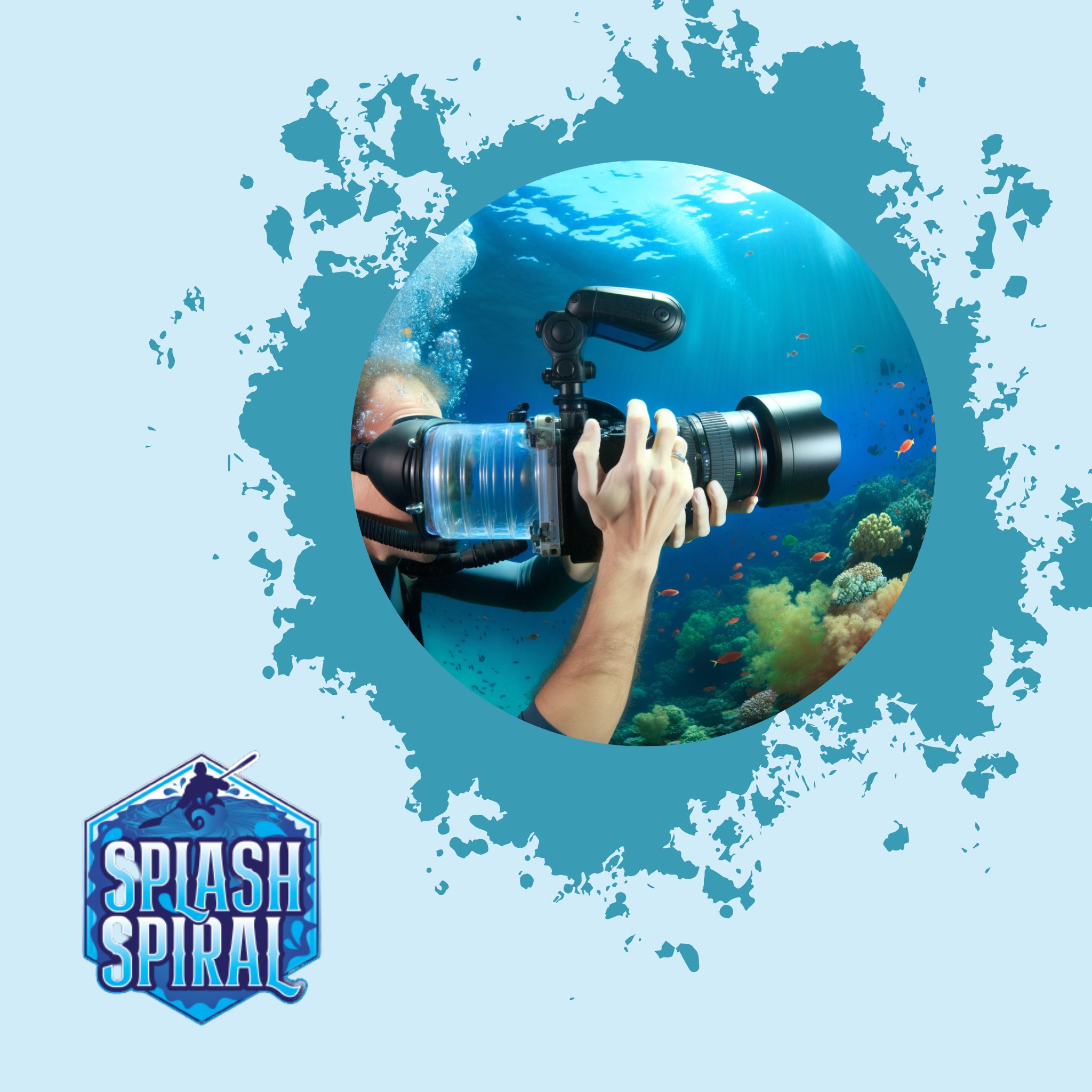
Taking stunning photos underwater isn't just about having a high-end camera. It’s about knowing how to use your gear and understanding the unique challenges that come with shooting in a subaquatic environment. This guide will help you get to grips with manual settings on your underwater camera and equip you with the basics to start capturing breathtaking underwater images.
Introduction
Venturing into the world of underwater photography is like stepping into an entirely new realm, one filled with vibrant colors, elusive marine life, and mesmerizing sceneries. It’s a captivating experience, but it comes with its own set of challenges. Unlike land photography, underwater photography requires not just a good eye and a steady hand, but also a solid understanding of your camera's manual settings. Why manual? Because automatic settings won’t cut it when you’re beneath the surface. Mastering manual mode allows you full control over your aperture, shutter speed, and ISO, crucial for adapting to the dynamic and often unpredictable underwater environment. Whether you're a beginner diving into this subaquatic art form or considering taking your first plunge, nailing down these essentials will put you on the fast track to capturing those stunning underwater shots you've always dreamed of.
Understanding the Essentials of Underwater Camera Manual Settings
Aperture: The Impact of Depth of Field Underwater
In underwater photography, understanding aperture—or the size of the lens opening—is crucial. Aperture not only controls the amount of light entering the camera but also affects the depth of field. When shooting underwater, the depth of field can become quite shallow due to the water's natural magnification. A larger aperture (smaller f-number) will give you a shallow depth of field, great for portraits of marine life where you want a blurred background. On the other hand, a smaller aperture (larger f-number) will increase the depth of field, making it useful for wide-angle shots of coral reefs where you need more of the scene in focus.
Shutter Speed: Freezing Motion and Capturing Light Effectively
Shutter speed determines how long your camera's sensor is exposed to light. In the underwater world, light behaves differently, so shutter speed needs careful consideration. A fast shutter speed (e.g., 1/250th of a second or faster) is ideal for freezing fast-moving subjects like fish or divers. However, remember that faster speeds reduce the amount of light hitting the sensor, which can result in darker images. Conversely, slower shutter speeds (e.g., 1/60th of a second or slower) allow more light but can introduce motion blur, especially in moving subjects or with camera shake. Balancing shutter speed with aperture and ISO becomes critical to get a well-exposed shot.
ISO: Balancing Light Sensitivity and Image Noise
ISO represents the camera sensor’s sensitivity to light. Underwater, light diminishes as you go deeper, meaning you'll often need to increase the ISO to compensate for lower light levels. However, increasing ISO also introduces image noise, which can degrade image quality. As a general rule, keep the ISO as low as possible to maintain image quality, but don’t hesitate to bump it up in darker conditions if you’re unable to achieve the desired exposure through aperture and shutter speed adjustments alone. Modern cameras often handle higher ISOs better, but it’s still a balancing act to ensure your images aren’t overly grainy.
Understanding how aperture, shutter speed, and ISO interact is your first step towards mastering manual mode in underwater photography. Each element affects the others, and striking the right balance will help you capture stunning, well-exposed shots of the underwater world.
Choosing the Right Waterproof Camera Case
Before you even think about diving in with your camera, you need to protect it from the elements, and that means getting a reliable waterproof camera case. Your camera case is your first line of defense against the water, and a leaky case can turn an awesome dive into a costly disaster. Here's what you need to know about choosing the right one.
Importance of a Good Waterproof Camera Case
A high-quality waterproof camera case ensures your equipment stays dry and functional during your dive. Not all camera cases are created equal; some are designed for specific depths while others offer better buoyancy control. Using a subpar case can lead to water damage, decreased image quality, and potentially losing your camera altogether. Essentially, a good case enhances your shooting experience by offering peace of mind so you can focus on capturing stunning underwater shots.
Considerations When Selecting a Case
When picking out a waterproof camera case, consider the following factors:
- Compatibility: Ensure the case is designed for your specific camera model. Generic cases might not fit snugly, leading to potential leaks.
- Depth Rating: Choose a case with a depth rating that exceeds your usual diving depth. This adds an extra layer of safety in case you dive deeper than planned.
- Material: Look for cases made from durable materials like polycarbonate, aluminum, or a mixture of both. These materials offer better protection and longevity.
- User Reviews: Check out reviews and testimonials from other underwater photographers. They give real-world insights that spec sheets can't offer.
- Usability: Make sure the case allows you to adjust all the camera settings while underwater. Ease of use is crucial when you're trying to capture that perfect moment.
- Weight & Buoyancy: Consider how the case affects the overall weight and buoyancy of your setup. Too much weight can make maneuvering difficult, and incorrect buoyancy can affect stability.
Links to Housing Reviews on SplashSpiral
For in-depth reviews and comparisons of popular underwater camera cases, check out the housing reviews on SplashSpiral. Their experts have tested a wide range of cases to help you find one that meets your needs and budget. These reviews cover everything from build quality to practical usability in various underwater conditions.
By considering these factors and doing a bit of research, you'll be well on your way to selecting a waterproof camera case that keeps your gear safe and helps you focus on what really matters – taking stunning underwater photographs.
Essential Underwater Gear for Effective Manual Photography
Getting started with underwater photography requires more than just a camera. The right gear can make or break your experience, and having the best equipment will set you up for success.
Overview of the Necessary Underwater Gear
Let’s dive into the essentials. Beyond your camera, you'll need a reliable waterproof camera case, appropriate diving equipment, such as a wetsuit and fins, and additional accessories like underwater strobes or lights. These items ensure that you can manage your camera settings without compromising on other factors like visibility, ease of movement, and safety.
Tips for Selecting Diving Equipment
When choosing diving equipment, comfort and functionality should be your top priorities. Look for wetsuits with good thermal protection, fins that offer a balance between power and flexibility, and masks that fit snugly without causing discomfort. Test your gear in a controlled environment, like a swimming pool, before taking it to the open water. This way, you can make any necessary adjustments beforehand.
Importance of Camera Protection
Your camera is your most valuable tool, and protecting it should be your primary concern. Invest in a high-quality waterproof case that matches your camera model. Ensure that all seals and locks are secure before each dive. Regularly inspect your waterproof housing for any signs of wear or damage to avoid any unpleasant surprises underwater.
For more details on diving equipment, feel free to explore our dedicated section here.
Step-by-Step Guide to Using Manual Settings Underwater
-
Pre-Dive Preparation:
- Begin by configuring your camera settings above water. It's easier to see and manipulate buttons without the pressure of the underwater environment. Select a starting point for your settings based on anticipated conditions – a middle-range aperture and shutter speed, and an ISO that's appropriate for the light availability.
- Double-check your underwater gear. Ensure your waterproof case is properly sealed, your diving equipment is functioning, and all camera protection measures are in place. A small leak could ruin your gear and your dive.
-
Adjusting Aperture:
- Aperture controls the amount of light that enters your lens and affects the depth of field. Underwater, this is crucial as the lighting conditions can drastically change with depth. In shallow, brighter waters, you might opt for a smaller aperture like f/8 for a broader depth of field, capturing more of the scene in sharp detail. In deeper or murkier water, a wider aperture like f/4 might be needed to allow more light in.
-
Setting Shutter Speed:
- Shutter speed is key to freezing motion and capturing clear images. A fast shutter speed (1/250s or faster) is ideal for snapping quick-moving marine life, ensuring they stay sharp. However, for calmer scenes or slower subjects, you might go slower (e.g., 1/60s), balancing light and allowing some blur to show motion. Always be mindful of your breathing and movements, as even slight disturbances can blur slower shutter shots.
- Tuning ISO:
- ISO settings will help you balance exposure and noise. Underwater environments can be darker than you'd expect, requiring a higher ISO, such as 800 or even 1600. However, the higher the ISO, the more noise you'll introduce into your images. Strive for the lowest ISO that gives you a properly exposed shot without introducing too much grain. Remember to adjust based on the lighting – a sunny shallow reef dive might just need ISO 200, while a deep wreck dive could push your settings higher.
By taking control of your manual settings, you’ll start to see your underwater photos improve significantly. Remember, every dive is an opportunity to learn and refine your technique, helping you capture the stunning beauty beneath the waves.
Practical Tips for Underwater Photography Success
Successfully shooting underwater requires more than just knowing your camera’s manual settings. It’s also about understanding and managing the unique conditions you’ll encounter below the surface. Here are some practical tips to help you capture stunning images during your dives.
Managing Ambient Light Underwater
Ambient light diminishes quickly as you dive deeper, shifting in color and intensity. It’s essential to make the most of the available light to ensure your photos come out clear and vibrant. Utilize natural light at shallower depths when possible. As you dive deeper, consider using artificial light sources like strobes or continuous lights to properly illuminate your subjects. For more detailed strategies, check out this comprehensive guide on managing ambient light underwater.
Capturing Unique Moments
Every dive offers the chance to capture fleeting, awe-inspiring moments, such as the glowing dance of bioluminescent marine life. To successfully photograph these phenomena, patience and preparation are key. Lowering your shutter speed can help in capturing the glow of bioluminescence, but be prepared to adjust your settings on the fly depending on the behavior and speed of your subjects. Enhance your skills with this guide on capturing bioluminescent marine life.
Regular Maintenance of Gear
Keeping your gear in top shape is crucial for successful underwater photography. After each dive, rinse your equipment thoroughly with fresh water to remove salt, sand, and other residues. Pay attention to seals and O-rings on your waterproof case to prevent leaks. Regularly examine your gear for wear and tear and replace faulty components to ensure reliability. Proper maintenance will not only prolong the lifespan of your equipment but also prevent technical issues that could ruin a perfect photography opportunity.
By integrating these practical tips into your underwater photography routine, you'll be better equipped to manage the challenges of the subaquatic environment and capture breathtaking images.
Continuous Improvement and Learning
Perfecting underwater photography is a journey that thrives on continuous learning and adaptation. To get the most out of your underwater escapades, you need to practice consistently and experiment with a variety of manual settings. Each dive presents unique scenarios and challenges, so don't hesitate to tweak your aperture, shutter speed, and ISO to find what works best for you.
Engage with online communities and forums dedicated to underwater photography. These platforms are invaluable for gaining insights, tips, and inspiration from more experienced photographers. Not only can you learn from others’ successes and mistakes, but you can also share your own experiences and get feedback that can help refine your technique.
Remember, SplashSpiral has a wealth of resources designed to support your underwater photography journey. Whether it’s detailed articles, gear reviews, or instructional videos, make sure to explore the diving section frequently for new content and updates. The ocean is a vast, ever-changing playground, and there’s always something new to discover and capture through your lens.
Conclusion
Mastering manual settings in underwater photography isn't just about technical prowess—it's about truly immersing yourself in the craft. By understanding how aperture, shutter speed, and ISO work together, you're not just taking pictures; you're capturing the essence of the underwater world.
Key Takeaways
-
Understanding Settings:
Learn how aperture, shutter speed, and ISO interact. -
Practice Makes Perfect:
Spend time experimenting with different settings to see their effects. -
Learn from Mistakes:
Each mistake is a step toward improving your skills.
Utilize Resources
Remember to leverage the wealth of resources available:
- Educational Platforms:
Websites like SplashSpiral offer in-depth articles on specific topics like managing ambient light and capturing bioluminescent marine life.
Ultimately, the beauty of underwater photography lies in blending your knowledge with real-world experience.
Final Thoughts
So gear up, dive in, and start creating stunning underwater memories. The ocean is waiting for you.