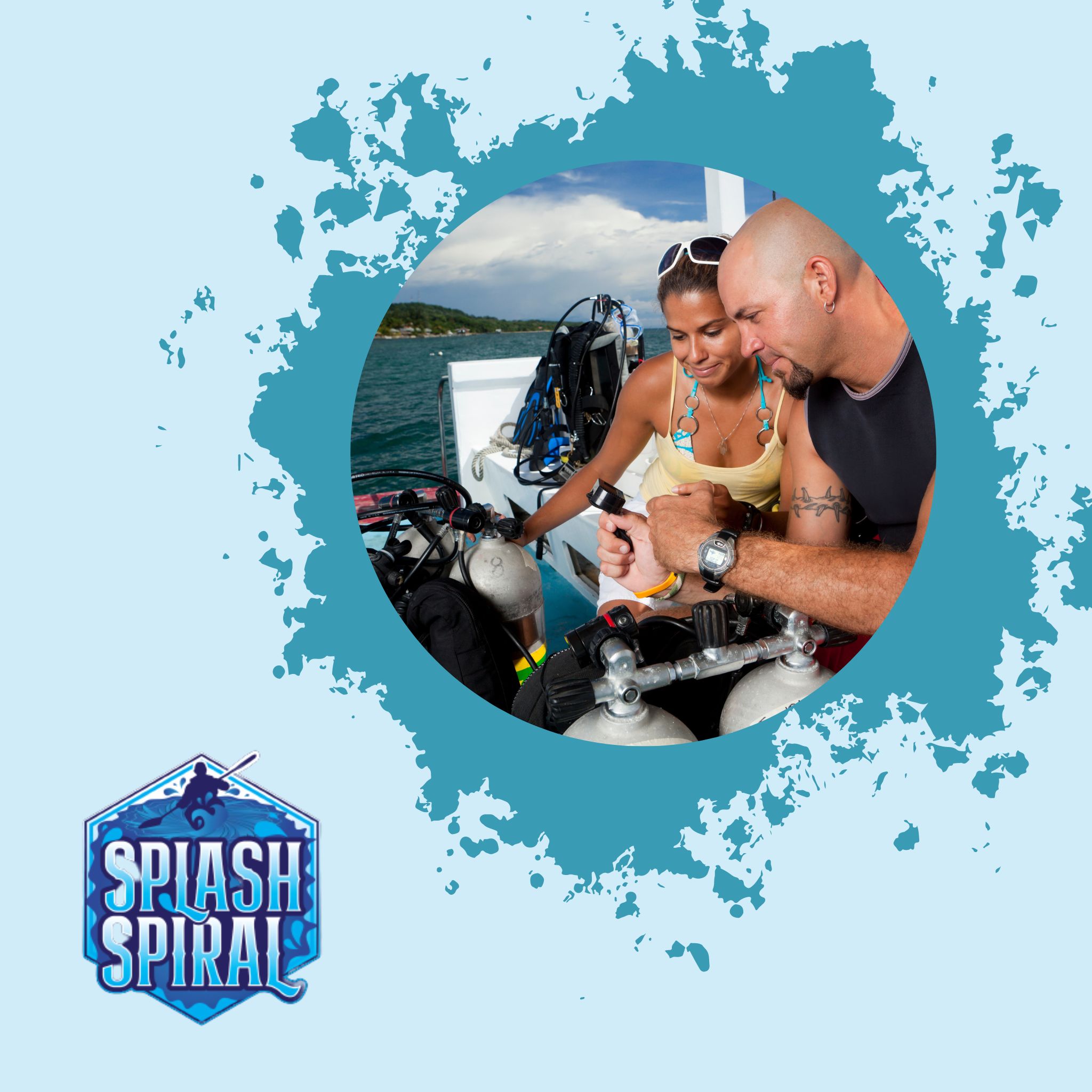
If you’re an avid diver or just starting to explore the underwater world, it’s important to prioritize dive planning and safety. You never know what can happen once you’re submerged, so it’s best to be prepared for any situation. Whether you’re diving solo or with a group, taking the time to plan your dive beforehand and following safe practices can make all the difference.
Importance of Dive Planning and Safety
Dive planning is essential for a safe and enjoyable experience. It involves carefully selecting a dive site, assessing the weather and water conditions, evaluating your personal fitness level, creating a dive plan, and communicating with your buddy or team. By following these steps, you’ll be able to minimize risk factors such as unexpected currents or low visibility.
Safety should always be prioritized when diving. Diving involves using equipment that allows us to breathe underwater which presents risks if not used correctly.
Properly fitting gear is key in preventing discomfort or injury during a dive. Additionally, maintaining equipment and checking it before each use will help prevent malfunctioning gear while diving.
Brief Overview of What Will Be Covered
In this article we’ll cover everything from dive planning techniques to equipment safety tips. We’ll also discuss proper diving techniques such as equalizing ears and monitoring air supply and depth so that we avoid decompression sickness.
we’ll go over critical emergency procedures like buddy breathing in case of an accident while diving. With an emphasis on environmental conservation practices also included in our examination of safe diving habits; this article will leave divers at all levels ready for their next adventure!
Choosing a Dive Site
One of the most important things to consider when planning a safe dive is choosing the right dive site. You want to make sure that the site you choose is suitable for your skill level, and offers an interesting and safe underwater environment. Before selecting a site, research its depth, visibility, currents, and any hazards that may be present.
You can also ask other divers or consult with local dive shops for recommendations. Once you have chosen a dive site, take some time to review the layout of the area and plan out your route.
Consider where you will enter and exit the water, where you will explore, and how deep you plan on diving. Having a clear plan in place before entering the water will help ensure that you stay safe throughout your entire dive.
Checking Weather and Water Conditions
Before heading out for your planned dive, check weather conditions in the area as well as water conditions such as visibility and temperature. Poor weather conditions can make diving dangerous or uncomfortable while poor visibility can increase risk of getting lost or disoriented underwater.
If possible try to avoid diving in choppy waters because it can cause seasickness which could result in nausea or vomiting through regulator making it impossible to breathe properly. Checking temperature beforehand is important because different temperatures require different types of suits such as wetsuits or drysuits.
Assessing Personal Fitness Level
Before jumping into deep waters it’s important to assess personal fitness level since diving requires physical exertion from swimming against currents or carrying heavy equipment while walking on shore before/after diving. It’s helpful to talk with doctor prior starting diving if you have any serious health concerns such as asthma because they need to evaluate if it’s safe for swimming at depth under pressure considering their lung capacity might be affected by condition.
Creating a Dive Plan
Creating a detailed dive plan before entering the water is essential for ensuring a safe and successful dive. The plan should include details such as the dive site, depth and duration of the dive, communication signals, emergency procedures and more.
Remember to keep your dive plan realistic, based on your experience level and physical abilities. Make sure to communicate your plans with your diving buddy/team and go over what to do in case of an emergency or unexpected situations.
Communicating with Dive Buddy/Team
Diving with a buddy or team is always recommended for safety reasons. Before entering the water, make sure to communicate effectively with them by discussing any medical concerns or limitations, reviewing hand signals and practicing them underwater.
It’s also important to establish clear boundaries on how far apart you will swim from each other while underwater. it’s crucial that you both are aware of each other’s air supply levels so a fast reaction can be made if one’s supply is running low.
Equipment Safety
Properly fitting gear
When it comes to scuba diving, having the right equipment is crucial for your safety and enjoyment. One of the most important things to consider is making sure that your gear fits properly. Ill-fitting gear can result in discomfort, difficulty breathing, and even injury.
To avoid these issues, it’s important to take the time to ensure that your wetsuit, BCD (Buoyancy control device), and fins fit correctly. Your wetsuit should fit snugly but not be so tight that it restricts movement or breathing.
Your BCD should also fit comfortably and provide enough buoyancy for you to stay afloat without exerting too much effort. Fins should fit snugly but not be too tight or too loose.
Checking equipment before diving
Before diving, it’s crucial to check all of your equipment thoroughly to ensure that everything is in proper working order. Start by checking all of the straps on your BCD and fins to make sure they are secure. Next, inspect your regulator setup and gauge console for any signs of wear or damage.
It’s also important to check your tank valve and O-ring for any leaks or damage. Make sure that all of your accessories (such as dive lights or cameras) are attached securely and functioning properly.
Maintaining equipment
Proper maintenance is key when it comes to keeping your scuba diving gear safe and functional. After each dive trip, rinse all of your equipment with fresh water to remove salt deposits and other debris.
Store your gear in a cool, dry place out of direct sunlight. Regularly inspect all parts of your equipment for signs of wear or damage, such as cracks in the mask frame or frayed straps on the fins.
By taking care of your scuba diving gear, you’ll not only ensure your own safety but also extend the life of your equipment. Plus, a well-maintained set of gear will make for a much more enjoyable diving experience!
Diving Techniques and Safety Tips
Equalizing Ears and Mask
Equalizing ears is a crucial technique to make sure you are comfortable and safe while diving. It involves equalizing the pressure in your ears, which can become painful if not done properly. There are many ways to equalize your ears, including the Valsalva maneuver, Frenzel maneuver, and Toynbee maneuver.
The Valsalva maneuver involves pinching your nose shut and gently blowing out through your nose, while the Frenzel maneuver involves pinching your nose shut and using muscles in the back of your throat to move air into your ears. The Toynbee maneuver involves swallowing while holding your nose shut.
Mask equalization is also important as it helps relieve pressure on the mask that can cause discomfort or even break its seal underwater. You can clear a flooded mask by exhaling through your nose into it while pressing on the top part of it.
Monitoring Air Supply and Depth
Monitoring air supply and depth is critical for any diver’s safety. Always check how much air you have left in the tank at regular intervals during a dive using a dive computer or gauge. It is recommended that divers never go below 1000 psi remaining in their tank to ensure they have enough air for an emergency ascent.
Additionally, monitoring depth is vital when diving as going too deep too quickly can cause decompression sickness (DCS). A common rule among divers is to ascend no faster than 30 feet per minute from depths greater than 60 feet.
Avoiding Decompression Sickness & Identifying Potential Hazards Underwater
Decompression sickness (DCS) occurs when nitrogen bubbles form in tissues due to rapid changes in pressure during ascent from deeper dives. DCS manifests with symptoms like joint pain, skin rashes, and shortness of breath to name a few.
To avoid DCS, always monitor your depth and ascend slowly following decompression schedules. Underwater hazards can be dangerous for divers.
These can include strong currents, dangerous marine life like jellyfish or sharks, and underwater structures such as rock formations or shipwrecks. Always be aware of your surroundings, stay with your dive buddy, don’t touch anything you’re not sure about and if in doubt, err on the side of caution by moving away from any potential threats.
Being equipped with these diving techniques and safety tips is essential for a safe and sound dive experience. Remember to equalize ears and mask regularly, monitor air supply and depth frequently throughout the dive, avoid DCS by ascending slowly according to decompression schedules, remain aware of underwater hazards at all times.
Emergency Procedures
Buddy Breathing Technique:
Diving with a buddy is definitely recommended, but there may be times when you need to share the same air source with your buddy. This situation may arise if one diver’s air supply runs low or their regulator malfunctions.
In such a case, buddy breathing comes in handy. The key here is to remain calm and maintain control while sharing air with your buddy.
To implement this scuba technique, both divers would use the same regulator by taking turns inhaling and exhaling through it. The diver who is low on air normally gets the first use of the regulator after which they can breathe alternately until they reach the surface or get access to another source of air.
Reading tip: Breathing control
Ascending to the Surface in Case of Emergency:
In some cases, emergencies might require divers to quickly ascend to the surface without completing decompression stops. This might happen if there’s a medical emergency such as an allergic reaction or other injury that prevents you from continuing your dive safely. If this happens, it’s important to stop at five meters (15ft) for at least three minutes so that any excess nitrogen can leave your body before continuing upward at a slower pace.
Administering First Aid in Case of Injury:
Injuries can happen while diving, especially if proper safety procedures are not followed or if unexpected hazards arise underwater. If someone gets injured during a dive, administering first aid quickly and efficiently is crucial for their safety and well-being until they receive professional medical attention above water. Basic first aid training should be part of every diver’s preparation for diving as it covers skills like cleaning wounds with sterile solutions and applying pressure on bleeding areas using bandages or improvised items like shirts or towels.
Diving requires careful planning, execution and adherence to set safety guidelines for an enjoyable experience below water surfaces that stays with you for a lifetime. While being aware of potential dangers and following the safety tips mentioned in previous sections can help prevent accidents, it’s also important to be knowledgeable about emergency procedures.
The buddy breathing technique, ascending to the surface in case of an emergency and administering first aid in case of injury are all vital skills that anyone diving underwater should be familiar with. These techniques ensure that you are equipped with the necessary skills to handle any emergencies that may arise during your dive.
Environmental Conservation
Respecting Marine Life and Their Habitats
When diving, it’s crucial to remember that you’re a guest in the marine environment. Always be respectful of the creatures living in it by keeping a safe distance and not touching or handling them, no matter how curious or friendly they may appear.
Coral reefs are particularly delicate ecosystems, so take extra care not to damage them with your equipment, fins, or body. Avoid creating unnecessary disturbances such as loud noises or rapid movements that can startle or scare away marine life.
Additionally, if you’re interested in exploring underwater environments beyond recreational diving capacity such as deep-sea habitats or caves; avoid disturbing these areas altogether. These areas have delicate environments that depend on very specific conditions to thrive undisturbed.
Proper Disposal of Trash
As responsible divers, it’s essential to leave the environment exactly as you found it – if not better! This means taking all your trash with you once you’ve finished diving and disposing of it correctly.
Never leave behind plastic bags, cigarette butts, food wrappers, fishing lines/hooks nor any other type of debris that can harm marine life. If you see any trash during a dive – even if it wasn’t yours – pick it up!
Doing so will help keep the oceans healthier for everyone who enjoys them now and in the future. Consider carrying a mesh bag for collecting any trash seen during dives; this way you can recycle what is possible afterwards.
Diving with Conservation Organizations
Participating in conservation organizations is an excellent way to make a difference while enjoying your favorite activity! Diving trips are often organized by groups dedicated to preserving marine life and promoting sustainable practices – joining one means learning from experts while enjoying unique opportunities to explore undersea environments few others have seen before.
Look online for local groups near where you live, or ask other divers for recommendations on organizations they’ve worked with in the past. You’ll be amazed at the difference you make with just a little effort!
Conclusion
Congratulations, you are now equipped with the knowledge to plan and execute a safe and enjoyable dive! By following the tips outlined in this article, you can minimize the risks associated with diving while maximizing your experience underwater.
Remember, safety should always come first when diving. It may seem like a lot of work to prepare for a dive, but taking the time to do so will ensure that you have a memorable experience.
Recap of Key Points on Safe Diving Practices
Dive planning is crucial to ensure safety during diving activities. Start by choosing an appropriate dive site and checking weather and water conditions before diving.
Assess your personal fitness level and create a dive plan accordingly. Communicate clearly with your dive buddy or team and prioritize equipment safety by properly fitting gear, checking it before each use, and maintaining it regularly.
Proper diving techniques are also important to minimize risk underwater. Equalize your ears and mask regularly, monitor air supply constantly, avoid decompression sickness at all costs, identify potential hazards underwater early on, and know emergency procedures such as buddy breathing or ascending quickly to the surface in case of an emergency.
Encouragement to Continue Learning About Safe Diving Habits
This article is just the beginning of your journey towards becoming a safe diver! Keep learning about new techniques for ensuring safe dives through various resources such as books or online forums. Attend workshops or seminars on diving safety practices whenever possible.
Diving can be one of the most exhilarating experiences that life has to offer — but only if you approach it safely and responsibly! By staying informed about safe diving practices throughout your career as a diver, you’ll be able to enjoy countless unforgettable dives without having to worry about unnecessary risks.