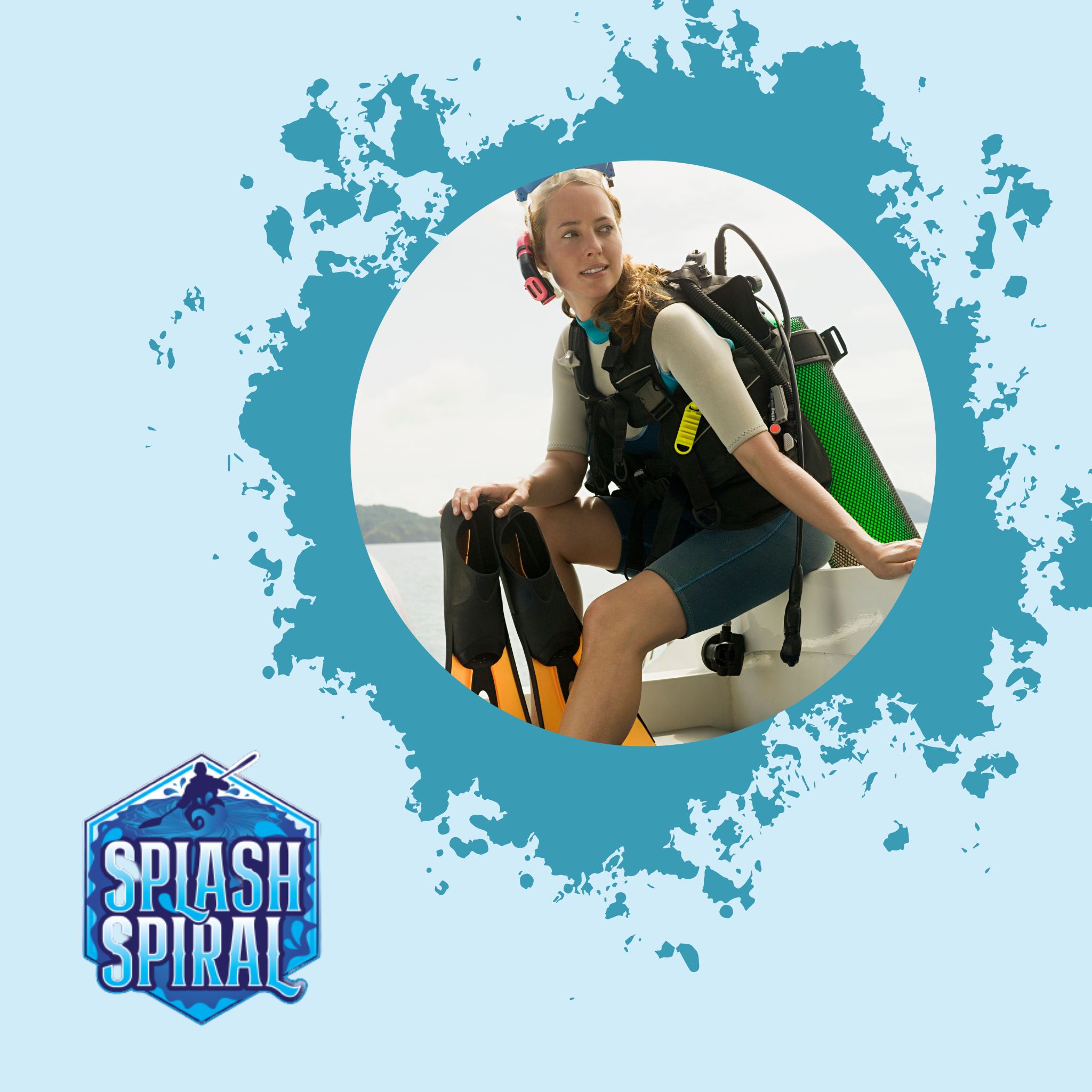
Scuba diving is a popular recreational activity that involves exploring underwater environments using specialized equipment. Divers wear a tank of compressed air on their back and use fins to propel themselves through the water.
With the help of other gear such as masks, regulators, and buoyancy compensators, divers can safely breathe underwater while experiencing the beauty of marine life. However, scuba diving during pregnancy has caused controversy in recent years.
Many people are concerned about the potential risks to both mother and fetus due to changes in pressure and oxygen levels. It’s important for pregnant women who are considering scuba diving to understand these risks so they can make an informed decision about whether or not it’s safe for them.
The Beauty of Scuba Diving
Scuba diving is a unique experience that allows you to explore a completely different world. You’ll be able to see marine life up close that you would never be able to see from land. From brightly colored fish darting around coral reefs, schools of sharks patrolling the depths, and even submerged shipwrecks filled with history; scuba diving offers something for everyone.
Many divers consider scuba diving as an opportunity to escape from their everyday problems and become one with nature – something that’s hard to do on dry land. The feeling of weightlessness while underwater provides a sense of freedom unlike any other sport, making it an unforgettable experience for those who try it.
The Controversy Surrounding Scuba Diving During Pregnancy
While scuba diving can bring joy and adventure into people’s lives, pregnant women should be extremely cautious when considering this activity. There are many potential risks associated with scuba diving during pregnancy due to changes in pressure and oxygen levels which could negatively impact both mother and baby.
One major concern with scuba diving during pregnancy is decompression sickness (DCS), also known as “the bends”. DCS occurs when nitrogen bubbles form in the bloodstream as a result of changing pressure levels.
Symptoms can range from mild joint pain to severe neurological damage or death. Another potential risk is hypoxia, which is a lack of oxygen.
This can occur during ascent if the diver uses up their air supply too quickly or if they hold their breath for too long underwater. Hypoxia can cause dizziness, confusion, and even fainting.
Given these risks, it’s important for pregnant women to consult with their doctor before considering scuba diving during pregnancy. In the next section, we’ll discuss when it’s safe to dive and what precautions should be taken to minimize risk.
The Risks of Scuba Diving During Pregnancy
Scuba diving is an exciting and thrilling activity, but it can be dangerous when you’re pregnant. There are certain risks that both the mother and fetus face when scuba diving during pregnancy.
The most common risks include decompression sickness, fetal malformations, and premature birth. One of the main risks associated with scuba diving while pregnant is decompression sickness.
This occurs when nitrogen in the body tissues forms bubbles as a result of changes in pressure. During a dive, the deeper you go, the higher the pressure becomes, which means that more nitrogen dissolves in your body tissues.
If you ascend too quickly or fail to perform a proper decompression stop, these bubbles can form and cause serious harm to both you and your unborn child. Another risk associated with scuba diving during pregnancy is fetal malformations.
Studies have suggested that high levels of pressure can negatively affect fetal development and growth. Exposure to increased pressure levels during the first trimester of pregnancy has been linked to congenital malformations such as cleft lip and palate, spina bifida, and neural tube defects.
Premature birth is also a significant risk for pregnant women who engage in scuba diving activities. The physical exertion involved in scuba diving can lead to preterm contractions or even trigger labor prematurely.
To conclude on this section’s topic: It’s essential for pregnant women to take extra precautions when deciding whether or not to go scuba diving during their pregnancy period. It’s best if they consult their doctor before engaging in any high-pressure activities such as scuba diving to evaluate all possible risks properly.
When it’s Safe to Scuba Dive During Pregnancy
If you’re a pregnant woman and love scuba diving, you might be wondering when it’s safe to do so. Unfortunately, there isn’t a specific answer that applies to everyone. The consensus among experts is that scuba diving should be avoided during pregnancy because of the potential risks to both the mother and fetus.
However, some women may still choose to dive while pregnant with their doctor’s approval. One of the biggest concerns surrounding scuba diving while pregnant is how changes in pressure can affect the body.
As you descend into deeper water, the pressure around you increases, which can cause nitrogen bubbles to form in your tissues and bloodstream. These bubbles can lead to decompression sickness (also known as “the bends”) if you ascend too quickly or if your body doesn’t eliminate them properly.
The risk of decompression sickness is higher for pregnant women because they have an increased blood volume and slower circulation. If a pregnant woman does decide to scuba dive despite the potential risks, she should wait until at least her second trimester before doing so.
This is because crucial fetal development occurs during the first trimester, and any stress on the body during this time could potentially harm the fetus. Additionally, a woman’s balance may be affected during pregnancy due to changes in weight distribution and center of gravity, making buoyancy control more difficult underwater.
While scuba diving may be an enjoyable activity for many people, it’s not worth risking your health or your baby’s health during pregnancy. It’s always best to err on the side of caution when it comes to physical activities during this time.
If you still want to enjoy water activities while pregnant there are plenty of alternatives such as snorkeling or swimming that don’t carry any increased risk factors like those associated with scuba diving when pregnant would have. Ultimately consult with your doctor before engaging in any physical activities during pregnancy.
Precautions for Scuba Diving While Pregnant
List precautions that pregnant women should take before and during a dive
Pregnant scuba divers need to take extra precautions before diving. The first and most important thing is to consult a doctor or midwife.
Even if the pregnancy is normal, it’s always best to get approval from a medical professional before engaging in any physical activity. Additionally, pregnant women should make sure they have adequate training and enough experience with scuba diving.
It’s not recommended for beginners to start scuba diving while pregnant as the risk of injury is higher. Another precaution is to ensure that all equipment fits properly and is comfortable.
This includes wet suits, weight belts, fins, and gear bags. Anything that constricts movement or puts pressure on the abdomen should be avoided.
Discuss how to properly manage buoyancy control while pregnant
Proper buoyancy control is crucial for scuba divers at any level, but it’s especially important for pregnant women. The hormonal changes during pregnancy affect the body’s physiological responses, which can cause difficulty in maintaining proper buoyancy control. One way to manage buoyancy control while pregnant is to adjust weight distribution.
Pregnant women may want to add more weight around their waist instead of their back in order to balance out their center of gravity. It’s also important for pregnant women to avoid rapid ascents or descents and maintain a slow pace throughout the dive.
This will help regulate pressure changes within the body. Overall, with proper precautions and management of buoyancy control, scuba diving can be safely enjoyed by pregnant women who have had previous experience with the activity and receive approval from their healthcare provider prior to engaging in this high-risk activity during pregnancy.
Alternatives to Scuba Diving While Pregnant
If you’re pregnant and you want to enjoy the water, but scuba diving isn’t an option, don’t worry! There are plenty of alternative activities that you can do instead.
The key is to choose something that is safe for both you and your baby. Here are a few ideas:
Surfing and Bodyboarding
Surfing and bodyboarding are great options for pregnant women who enjoy the thrill of riding waves. They are low-impact sports that won’t put too much strain on your body, but they still provide a fun challenge. Just be sure to choose a spot with smaller waves if you’re new to these sports or not feeling quite as confident as usual.
Swimming
Swimming is one of the best exercises for pregnant women because it’s low-impact, provides a full-body workout, and helps keep you cool in the summer heat. Whether it’s taking laps in a pool or snorkeling around reefs, swimming can be a great way to enjoy the water without putting yourself or your baby at risk.
Kayaking
Kayaking is another fun activity that’s suitable for pregnant women. It’s an excellent upper-body workout that allows you to explore calm waters at your own pace. You can also opt for tandem kayaks with someone else doing most of the paddling while you relax and enjoy the scenery.
Mention other water sports that are safer for pregnant women
In addition to surfing/bodyboarding, swimming, and kayaking, there are several other water sports that are safe for pregnant women:
- Stand-up paddleboarding (SUP)
- Rafting (on gentler rapids)
- Water aerobics
- Canoeing
Note, however, that each pregnancy and woman is different. You should always consult with your doctor before engaging in any kind of physical activity during pregnancy, including water sports. Your doctor can help you determine which activities are safe for you and your baby based on your overall health and the stage of your pregnancy.
Conclusion
Scuba Diving When Pregnant: Proceed with Caution
While scuba diving can be a thrilling and exciting activity, pregnant women need to be cautious when considering it as an option. The potential risks to both the mother and fetus are serious and should not be taken lightly. Changes in pressure can have a profound effect on the body, so it is essential to take necessary precautions before engaging in any physical activity while pregnant.
It is important to remember that the physical changes that occur during pregnancy can vary greatly from woman to woman. Therefore, before considering scuba diving or any other physical activity while pregnant, it’s important to consult with your physician or obstetrician.
They will be able to advise you on whether scuba diving is safe for you based on your individual circumstances. Overall, if you’re pregnant and considering scuba diving, proceed with caution.
While some women may be able to safely dive throughout their pregnancy in certain circumstances, others may not share the same experience. Always err on the side of caution when it comes to the health and safety of both yourself and your unborn child.