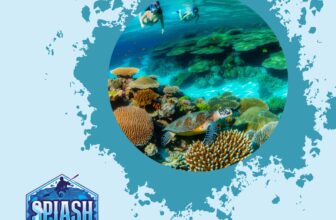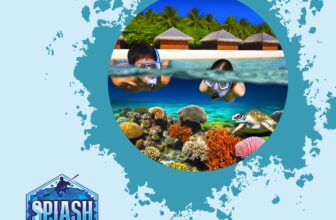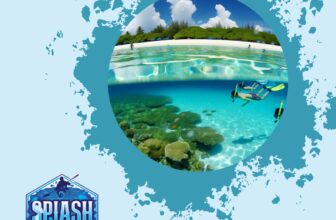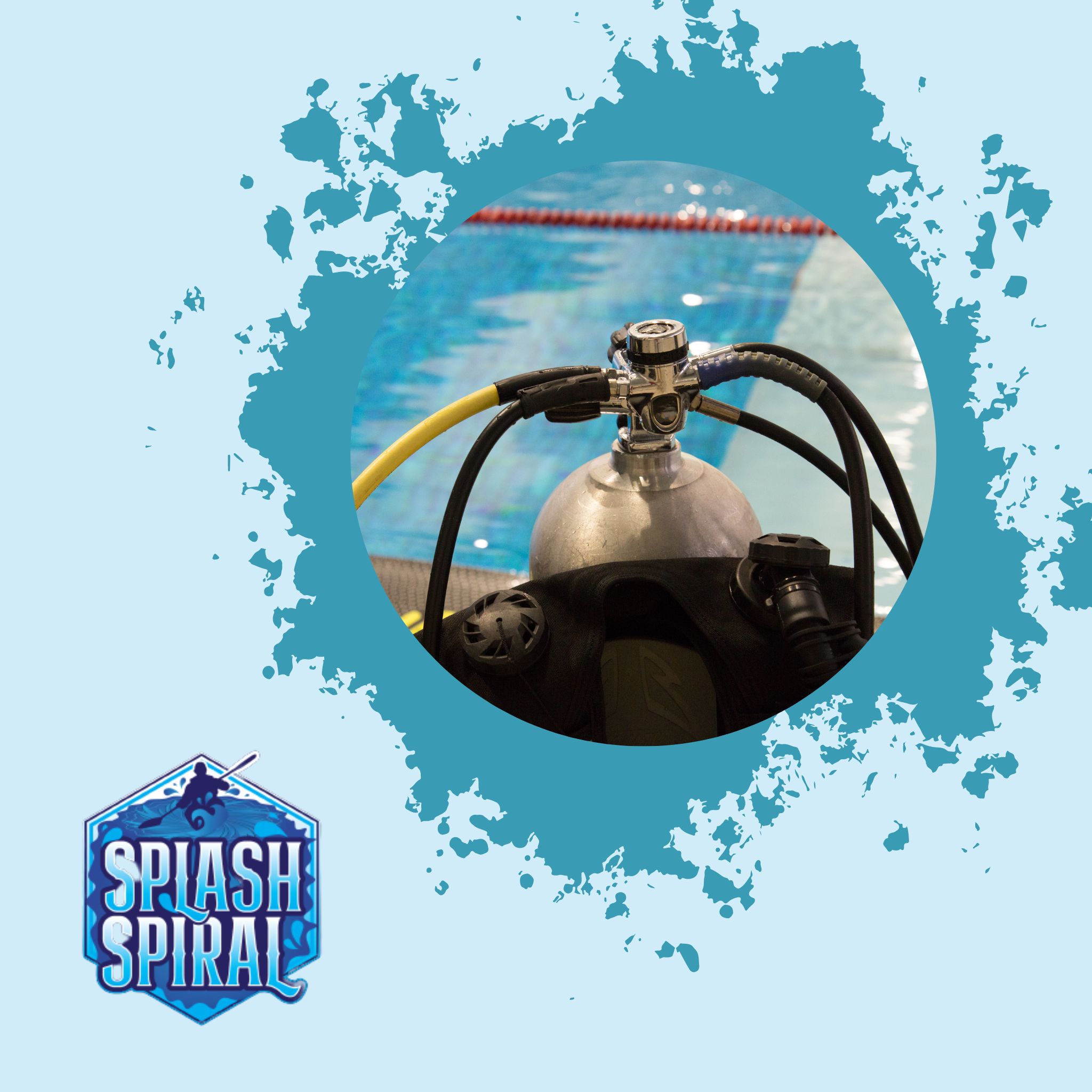
Scuba diving is a fascinating activity that allows you to explore the underwater world and witness the beauty of marine life up close. It is a popular pastime for many people, and scuba diving destinations can be found all over the world.
Scuba diving involves wearing special equipment, including a breathing apparatus that allows you to breathe underwater, and swimming down into the depths of the ocean. The question that often arises with scuba diving is whether or not you need to know how to swim in order to do it.
This is a valid concern for those who may not be confident swimmers or are unable to swim at all. In this article, we’ll explore this question in detail and provide insights into why swimming skills are necessary for scuba diving.
The Popularity of Scuba Diving
Scuba diving has become increasingly popular over the years due to its unique experience of exploring an entirely different world beneath the surface of water. People who enjoy adventure and adrenaline rushes often find themselves intrigued by scuba diving as it offers an opportunity for them to push their limits while exploring some of nature’s most amazing creatures.
Apart from adventure seekers, scuba diving also attracts people who seek relaxation through meditation or just want to unwind amidst natural surroundings. With advancements in technology making it easier than ever before for beginners to learn scuba diving skills, more people are getting drawn towards this activity.
Can You Scuba Dive Without Knowing How To Swim?
This brings us back to our initial question: Can you scuba dive without knowing how to swim? The short answer is no – swimming skills are absolutely necessary for scuba diving.
When it comes down to it, being able to control your movements in water using basic swimming techniques will help you stay calm in any situation that might arise when underwater. While it may be possible for some people with certain disabilities or conditions to scuba dive without knowing how to swim, it is not recommended for safety reasons.
Non-swimmers are at a higher risk of panic when they are underwater, and this can result in accidents that can be life-threatening. Therefore, it’s important to ensure you have basic swimming skills before attempting scuba diving so that you can enjoy the experience safely and with confidence.
The Short Answer: No, You Cannot Scuba Dive Without Knowing How to Swim
The Importance of Swimming Skills for Scuba Diving
The question may arise in the minds of some people that why swimming is important for scuba diving? The answer is simple, scuba diving is a water activity and swimming is the primary mode of transportation in water. It allows you to navigate underwater and helps you maintain your position and balance in the water.
Knowing how to swim also helps you control your buoyancy while diving which is essential for a successful and safe dive. Without proper control over your body movements and positioning underwater, it could be challenging to maintain proper depth while navigating through the reefs with air tanks.
Safety Concerns for Non-Swimmers
Scuba diving can be an incredibly rewarding experience but like any adventure sport, it carries some inherent risks. For non-swimmers attempting scuba diving without proper training, these risks increase exponentially.
In case of emergency situations such as regulator malfunction or running out of air supply, being proficient in swimming could help deal with panic that could occur when someone isn’t comfortable being submerged. In addition, if someone cannot maintain their buoyancy as they descend or ascend due to lack of swimming ability or discomfort in the water then it could lead them into dangerous situations such as getting too close to sharp coral reefs that can cause injury or becoming tangled up in ropes attached to buoys.
Therefore, before planning a scuba dive trip it’s important that individuals are confident swimmers who are comfortable navigating through underwater environments. Knowing how to swim will make the experience safer and more enjoyable which should be everyone’s priority when taking part in this adventurous activity.
Learning to Swim for Scuba Diving
Importance of Learning Basic Swimming Skills Before Attempting Scuba Diving
If you’re considering scuba diving but don’t know how to swim, it’s essential to learn basic swimming skills before attempting scuba diving. Swimming is a fundamental skill that is necessary for scuba diving because you need to know how to stay afloat and move around in the water.
Without this skill, you put yourself and others at risk. Before starting scuba diving, it’s essential to feel confident in your swimming abilities.
You will be required to swim a certain distance without any swimming aids as part of your dive training. Additionally, if an emergency were to occur while underwater, the ability to swim would be critical in getting yourself safely back to the surface.
Options for Learning to Swim (Swim Lessons, Online Tutorials, etc.)
Fortunately, there are many options available for learning basic swimming skills. Taking swim lessons and working with an experienced instructor can help build confidence and improve technique.
In-person lessons offer personalized guidance and feedback that can help you progress quickly. For those who prefer more flexibility or privacy with their learning experience, online tutorials can also be helpful resources.
Online tutorials can offer step-by-step instruction on various swimming techniques that allow you to learn at your own pace without the pressure of being in front of others. Ultimately, no matter what method you choose, consistency is key when it comes to learning how to swim for scuba diving.
Regular practice will help build muscle memory and improve your overall comfort level in the water. Don’t rush the process; take the time needed so that when it’s time for your first dive, you’ll feel confident in your abilities both as a swimmer and as a scuba diver!
Overcoming Fear of Water and Swimming
Tips for Overcoming Fear of Water and Swimming
For many people who do not know how to swim, the thought of being in water can be daunting. However, there are several tips that can help to overcome this fear. Firstly, it is important to take things slowly and at your own pace.
This could involve simply dipping your toes into the water and gradually going deeper as you become more comfortable. Another tip is to practice breathing techniques, such as holding your breath or exhaling slowly through your nose while under water.
These techniques can help to calm the mind and reduce anxiety. It may also be helpful to seek support from others, such as friends or a professional swimming instructor who can provide guidance and encouragement.
Importance of Feeling Comfortable in the Water before Attempting Scuba Diving
Feeling comfortable in the water is essential before attempting scuba diving. Not only will it help to reduce anxiety during the dive itself, but it will also improve overall safety. Scuba diving involves being submerged in deep water for an extended period of time, which requires a certain level of physical and mental comfort.
One way to feel more at ease in the water is by practicing basic swimming skills regularly. This could include floating on your back or treading water for a set amount of time.
It is also important to understand that everyone learns at their own pace, so do not feel discouraged if progress seems slow initially. With patience and persistence, anyone can overcome their fear of water and learn how to swim confidently – opening up a whole new world of underwater adventure through scuba diving.
Alternatives to Scuba Diving for Non-Swimmers
Snorkeling as an alternative activity
For non-swimmers who still want to explore the underwater world, snorkeling can be a great alternative to scuba diving. Snorkeling is a much simpler activity that only requires you to wear a mask and breathe through a snorkel tube while floating on the surface of the water.
Since you do not need any special equipment or training, it is much easier for beginners and less intimidating than scuba diving. One of the best things about snorkeling is that you do not need any formal training or certification.
Most resorts and tour operators offer guided snorkeling tours where they will provide all the equipment and give you basic instruction before taking you out to explore the reefs. The shallow waters close to shore are also perfect for beginners, as there are plenty of fish and coral to see without having to venture too far from land.
Other Water-Based Activities That Do Not Require Swimming Skills
If snorkelling still feels too daunting, there are plenty of other water-based activities that do not require swimming skills. One such activity is simply walking along the seafloor with an underwater helmet – also known as “seawalking”. This involves wearing a large helmet attached to your body by a tube which keeps your head dry while allowing air into the helmet.
You can then walk along the seafloor while looking at all sorts of marine life without ever having to worry about swimming! Another fun water activity non-swimmers can enjoy is riding in a glass bottom boat.
These boats have large glass panes on their bottoms that allow passengers to see clearly down into the water below them without ever getting wet! This allows non-swimmers who may be hesitant about getting in the water an opportunity to experience some of what lies beneath.
Overall, there are plenty of fun and exciting water-based activities for non-swimmers to enjoy. While scuba diving may be off the table, there are still many options for exploring and enjoying the underwater world safely and comfortably.
Conclusion
Swimming: The Foundation of Scuba Diving
It is essential to understand that swimming is the foundation of scuba diving. Without proper swimming skills, it is not only unsafe but also impossible to scuba dive. Although scuba diving may seem like a daunting activity for non-swimmers, there are plenty of resources available to learn basic swimming skills.
Taking swim lessons or using online tutorials is an excellent first step towards building confidence in the water. Moreover, learning how to swim has numerous benefits beyond just enabling one to scuba dive.
It improves overall physical fitness and provides an opportunity for fun and relaxation in the water. Additionally, basic swimming skills can be life-saving in emergency situations.
Encouragement and Optimism
The good news is that anyone can learn how to swim with patience, practice and proper guidance. So don’t be discouraged if you’re a non-swimmer who wants to try scuba diving—it’s never too late to start learning how to swim! Remember, taking baby steps towards achieving your goal is better than not trying at all.
Overall, having knowledge of basic swimming skills before attempting scuba diving ensures safety underwater while enabling one’s ability to fully enjoy the beauty of underwater worlds around us. By taking steps towards learning how to swim properly, you will open up endless opportunities for fun and adventure both above and below the surface of the water!