Snorkeling Conditions Forecast: Plan Your Trip Based on Visibility and Water Conditions

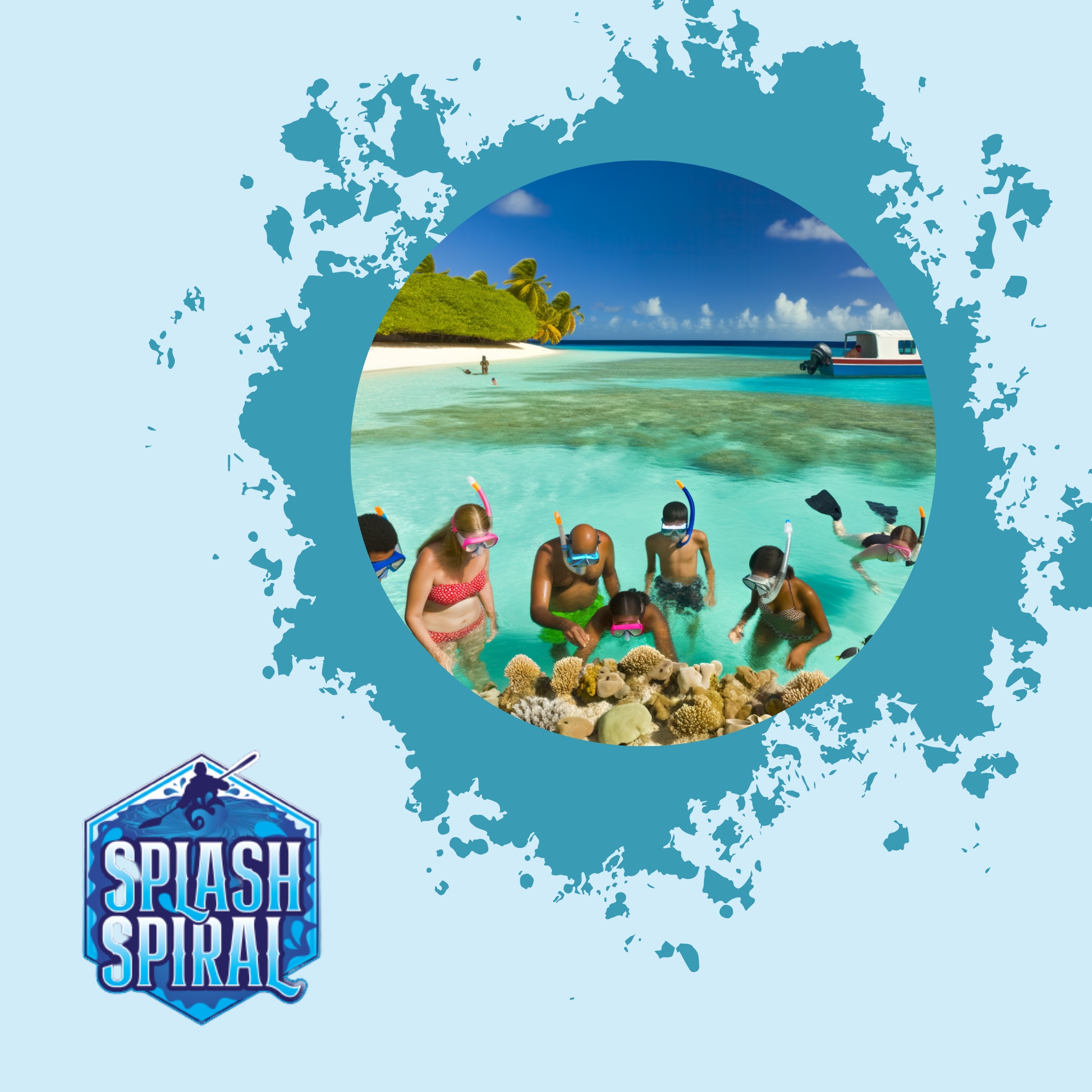
Heading out for a snorkeling trip? Before you dive in, taking a moment to check the snorkeling conditions forecast can make a world of difference. Understanding factors like water clarity, marine biology, coral reef health, and ideal snorkeling weather is key to a successful adventure. For beginners and those new to the activity, this guide will help you navigate the basics of planning your snorkeling trip to ensure the best experience possible.
Understanding Snorkeling Conditions Forecast
Snorkeling conditions forecast is your gateway to the underwater world, acting like a weather report for your marine adventures. But what does it involve? Primarily, it's about evaluating the current state of the sea and sky, focusing on factors that can dramatically affect your snorkeling experience.
Why should you care? Imagine spotting vibrant corals and playful sea life versus navigating through murky waters where you can't see your hand in front of your face. Snorkeling forecasts provide insights into water clarity, sea conditions, and weather patterns, allowing you to plan your trip when visibility is optimal and the sea is calm.
Observers and marine experts look at several things to predict snorkeling conditions. They analyze water clarity, considering elements like sediment, algae, and plankton levels that can cloud your view. They also gauge wave height and current strength, as rough waters can make snorkeling unsafe and unpleasant. Additionally, they check the weather, prioritizing sunny days with light winds, perfect for safe snorkeling and clear visibility.
By understanding these factors and how they interplay, you can ensure your snorkeling trip is both enjoyable and memorable. Armed with this knowledge, you'll know when to pack your gear and hit the water, maximizing the beauty and wonder you discover beneath the waves.
Factors Affecting Water Clarity
Water clarity is the window into the underwater world, making it crucial for an enjoyable snorkeling experience. Clear waters allow beginners to spot vibrant corals and darting fish with ease. However, water clarity can be finicky, changing with environmental factors.
Tides and currents play a significant role; when tides change, they can stir up sediment from the sea floor, making the water murkier. Similarly, strong currents can spread silt and reduce visibility. Timing your snorkeling trip for slack tides—periods between high and low tides—often offers the clearest water conditions.
Plankton blooms, while a natural and essential part of the marine ecosystem, can also create challenges. These tiny organisms can turn the sea into a cloudy soup, affecting what you can see. Blooms are more common in warmer waters and can be seasonal, so checking local forecasts can help you avoid these times.
Before you head out, a simple tip is to consult online resources or local dive shops for updates on water clarity. Websites dedicated to snorkeling and diving often post visibility reports or water condition updates. If possible, you might even ask a local boating or surfing community for their take on current conditions. By preparing with these insights, you’ll steer clear of disappointing, murky waters.
Navigating Coral Reefs Safely
Exploring coral reefs can be an awe-inspiring part of snorkeling, but it's important to approach them with care to protect both yourself and these delicate ecosystems. Before you head out, check the health of the coral reefs where you plan to snorkel. Healthy reefs usually offer more vibrant marine life and clearer water, but you'll need to be conscious of protecting those colorful corals.
Here are some simple tips to help you interact safely with coral reefs:
-
Stay Buoyant: Practice floating and staying horizontal to avoid touching the reef. Even a light touch can damage the corals and disturb the ecosystem.
-
Look, Don't Touch: Corals are fragile and take years to recover from damage. Enjoy them from a distance. Resist the urge to touch or take any coral or marine life as a souvenir.
-
Mind Your Surroundings: Be aware of where your fins are at all times. Stay clear of kicking the reef, sand, or marine life unintentionally.
For a visual guide to the species you might come across while weaving through reefs, check out this Marine Life Identification resource. Being knowledgeable about the creatures you’ll encounter not only enhances your snorkel experience but also fosters respect and care for the marine environment.
Navigating coral reefs safely is a balance of mindful snorkeling, a light touch—or rather, no touch—policy, and keen awareness. By respecting the underwater world, you'll ensure its beauty endures for others to experience, while also ensuring your snorkeling adventure is as breathtaking as it is beginner-friendly.
The Role of Marine Life in Snorkeling
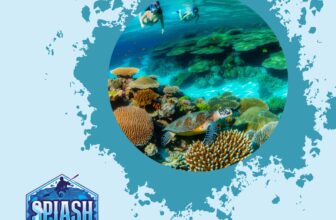
Marine life is the heart and soul of any snorkeling adventure. It's what transforms an outing from merely floating above water to experiencing an underwater wonderland. For beginners, spotting a school of vibrant fish or gliding above a gently swaying sea turtle is where the true joy of snorkeling lies. Diverse marine life not only adds color and movement but also provides insights into unique ecosystems you might never see otherwise. However, there are factors that can either enhance or disrupt this aquatic symphony, impacting the quality of your snorkeling experience.
Knowing what conditions encourage marine activity can give you the edge when planning your trip. Marine life thrives in calm waters, where minimal disturbances allow creatures to feed and go about their daily routines. Light winds and stable water temperatures usually signify a promising environment for observing marine life. On the flip side, turbulent waters and sudden changes in water temperatures or salinity can send fish and other creatures into hiding, leaving snorkelers gazing at empty seascapes.
Before you hit the water, check snorkeling forecasts that include marine life activity reports. These forecasts can provide information on expected visibility, likely marine encounters, and even peak times for witnessing specific phenomena like coral spawning or seasonal migrations. As a beginner, aligning your snorkeling plans with forecasts focusing on marine life activity can greatly enrich your snorkeling experience, turning any trip into an awe-inspiring adventure.
Importance of Snorkeling Weather Conditions
Weather is a major player in the snorkeling game. Sunshine, wind, and temperature all affect your experience in big and small ways, making it crucial to keep an eye on the forecast. Ideal snorkeling weather is marked by calm winds and sunny skies. Calm winds ensure that the water surface remains smooth, which helps maintain visibility and prevents surface currents from becoming too strong. This means you can focus more on enjoying the underwater scenery and less on battling waves.
Sunny days not only enhance visibility but also illuminate the underwater world, making everything clearer and more vibrant. The right amount of sun can transform an average snorkeling session into one filled with brilliant colors and lively marine life. However, don't forget to balance that with sun safety precautions, like wearing protective clothing or using reef-safe sunscreen.
Temperatures also play a part. While moderate temperatures are ideal, they can vary based on location, so it's important to know the norms for your destination. Too cold, and it might not be comfortable to stay in the water for long; too hot, and you'll have to deal with overheating. Checking the weather forecast for these conditions in tandem will help you pick the perfect day to head out, ensuring a safer, more enjoyable snorkeling experience.
Getting into the habit of assessing the weather forecast through websites or apps before arranging your snorkeling outing can make a significant difference. This preparation allows you to pick the best days to explore, making your adventures not only memorable but also filled with the best possible views and experiences the ocean has to offer.
The Ideal Tropical Water Experience
Tropical waters offer some of the best snorkeling opportunities in the world. In these regions, water temperatures are typically warm, ranging from 75 to 85 degrees Fahrenheit, which makes for comfortable, extended snorkeling sessions without the need for thick wetsuits. The biodiversity in tropical waters is astounding, with vibrant coral reefs teeming with diverse marine life, from colorful fish to intriguing invertebrates.
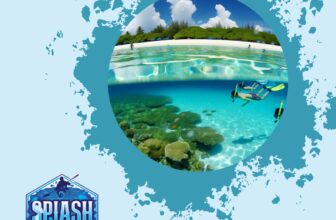
One of the hallmarks of tropical snorkeling spots is the crystal-clear water, which provides excellent visibility, often exceeding 80 feet. This clarity allows snorkelers to fully appreciate the underwater scenery, making it easier to spot marine creatures and explore coral formations.
When considering a snorkeling destination, some top tropical locations come to mind. Places like the Great Barrier Reef in Australia, Hanauma Bay in Hawaii, and the Maldives are renowned for their unparalleled snorkeling conditions. Each site offers unique underwater landscapes and a high chance of encounters with various fascinating species.
For beginners, these tropical paradises not only present a chance to witness breathtaking natural beauty but also provide optimal conditions to practice and refine snorkeling skills. A trip to these ideal waters promises not just an adventure, but a lasting impression of the aquatic world’s splendor.
Useful Resources and Preparations
Before you hit the water, having the right gear and tools can drastically enhance your snorkeling experience. To kick off, make sure you have everything you need by consulting our Snorkeling Gear Checklist. This checklist will guide you to gather essentials, from a top-quality mask and snorkel to fins and protective gear, ensuring you're comfortable and ready for your aquatic adventure.
Once your gear is sorted, making use of snorkeling forecasts can help you pinpoint the best times and spots for snorkeling. These forecasts can be accessed easily online or via dedicated apps that provide real-time information on water conditions, visibility, and marine activity. They help take the guesswork out of your preparations and increase your chances of encountering vibrant underwater life.
For those keen to delve deeper into maximizing their snorkeling trips, our Snorkeling Guide offers comprehensive advice, from choosing the best locations to snorkeling techniques that enhance your comfort and experience. Being well-prepared can make your snorkeling adventures more enjoyable and memorable.
Plan Your Snorkeling Adventures Effectively
Planning your snorkeling trips around the conditions forecast is crucial for an enhanced experience. For beginners, this can elevate the adventure from a random splash to a mesmerizing underwater journey.
Why Check the Forecast?
- Picture-Perfect Days: Ensures clear visibility, vibrant marine life, and calm waters.
- Avoid Surprises: Steer clear of unwanted surprises like murky water or rough tides.
- Snorkeling Bliss: Maximize enjoyment with ideal conditions.
Making It a Habit
Checking the conditions forecast should become a routine, like your morning coffee:
- Set the Tone: Quick, simple checks can determine the success of your trip.
- Safety and Enjoyment: Knowledge of water clarity, weather patterns, and marine life activity keeps you safe and boosts the fun factor.
- Focus on Magic Moments: Being prepared allows you to enjoy encounters with sea turtles or vibrant coral reefs fully.
Dive into Knowledge
Don't just test the waters; dive into the wealth of information available:
- Utilize Resources: Explore platforms like Diving Resources for tips and tricks.
- Become a Snorkeling Aficionado: Transform from a beginner to a seasoned snorkeler.
Conclusion
Plan your adventures wisely and ensure every snorkeling trip is a memorable one. Embrace the knowledge and take the plunge into becoming a snorkeling expert.