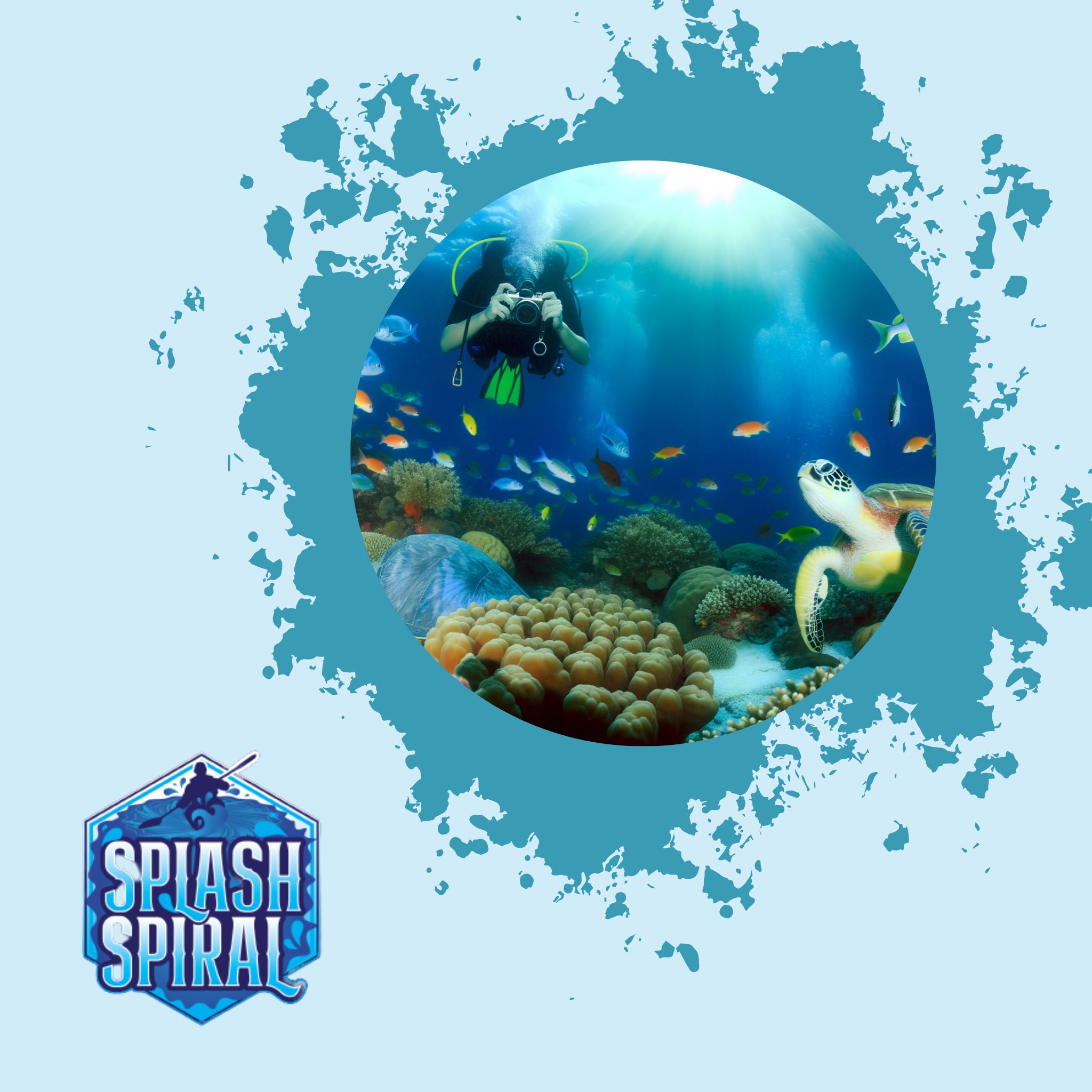
In an era where social media is flooded with breathtaking underwater shots, it's crucial to remember that behind every photo is a thriving, delicate ecosystem that needs protection. Ethical underwater photography isn't just about capturing stunning images but also ensuring minimal disruption to marine life. Whether you're a beginner or someone looking to enhance your photography skills, being aware of the ethical practices is as vital as mastering your camera settings.
Introduction
In the vast, mesmerizing world beneath the waves, every click of a camera shutter captures more than just a moment in time; it holds the essence of a living, breathing ecosystem. Ethical underwater photography is not merely about framing the perfect shot but also about respecting and safeguarding the fragile marine environments we explore. By adhering to responsible practices, photographers can contribute to the preservation of underwater habitats while honing their craft. Whether you're a beginner taking the plunge into underwater photography or someone looking to refine your skills, integrating ethical considerations into your approach ensures that your passion for photography harmonizes with the imperative to protect marine life.
Why Ethical Underwater Photography Matters
Underwater photography isn't just a hobby; it's a window into the underwater world that more people get to see, thanks to your camera. However, this comes with a big responsibility. We've all seen those stunning photos of vibrant corals, curious fish, and majestic sea creatures, but not everyone realizes the potential harm that can come from capturing these images irresponsibly.
Impact on Marine Ecosystems
Unethical photography can significantly disrupt marine ecosystems. Think of it this way: every time you get too close to marine life or manipulate the environment for a better shot, you're possibly stressing out the animals and damaging delicate habitats like coral reefs. These actions can lead to changes in animal behaviors, deterring them from their natural habitats or feeding grounds. Worse, some habitats can be permanently damaged, disrupting the balance of the entire ecosystem.
Conservation Efforts
On the flip side, responsible underwater photography can do wonders for conservation. When you follow ethical practices, you minimize your impact, allowing marine life to continue thriving as it should. Additionally, the images you capture can serve as powerful tools for educating the public about marine life and the importance of conservation efforts. Through your lens, people get to appreciate the beauty of underwater ecosystems, which can inspire more support for protecting these environments.
Adhering to ethical guidelines not only ensures you get to keep diving in these beautiful places, but it also contributes to the long-term health and preservation of marine environments. It's a win-win; you get your beautiful shots, and the ocean remains vibrant for future photographers and marine life alike.
By understanding the impact of your actions and making small changes to how you approach underwater photography, you can make a significant difference. So, before you dive in, remember: take only photos, leave only bubbles.
Pre-Dive Preparations <–
Understanding Marine Life
Before even hitting the water, it's essential to spend some time understanding the marine life you'll be encountering. This isn't just about recognizing the creatures but digging deeper into their behaviors and habitats. For instance, some fish are nocturnal, while others are active during the day. Knowing when they're active can help avoid disturbing them. Additionally, many areas have local regulations to protect certain species or habitats. Research these rules and stick to them — they're there for a reason.
Equipment Check
Make sure your gear is ready for action before diving in. Double-checking your camera setup, housing seals, and strobe connections can prevent technical failures underwater. Trust us, the last thing you want is a leaking camera housing at 30 feet. Moreover, focus on using eco-friendly gear. For instance, opt for non-toxic, biodegradable sunscreen and dive gloves made from sustainable materials. This way, you're minimizing your environmental footprint while gearing up for the shoot.
Safety Protocols
Remember, your safety and the safety of marine life are interconnected. Practice safe diving techniques: perfect your buoyancy to avoid crashing into coral and kicking up sediment, which can smother marine habitats. Stay calm and move slowly to minimize your impact on the environment. Resources from "Splash Spiral" offer great guidelines on diving safely — consider giving them a read before your next dive trip. Your approach should be measured and respectful, ensuring both you and the underwater world remain unharmed.
Best Practices During the Dive
Respecting Marine Life
When diving, keep a safe distance from marine animals. This isn’t just a matter of etiquette—it's mandatory for their well-being and your safety. The ocean can be unpredictable, and even the gentlest creatures may become defensive if they feel threatened. Avoid the temptation to touch or manipulate marine creatures for your shots. This isn't a zoo; these animals are in their natural habitat, and interfering with them can cause unnecessary stress or harm. Your goal is to observe and capture, not to stage or alter.
Environmental Awareness
Your buoyancy needs to be spot-on to avoid unintentional damage to the marine environment. Practice floating effortlessly mid-water without using your hands to balance, as even brief contact with sensitive coral reefs can cause lasting damage. Always be mindful of your movements, particularly your fins, to ensure you're not stirring up sediment or brushing against fragile structures.
Another crucial aspect is managing your waste. The rule is simple: don’t leave anything behind. That means every bit of trash, even if it’s as small as a fragment of a candy wrapper, needs to be carried back with you. If you can, collect any debris or waste you find during your dive, contributing to the cleanliness of the habitat. This simple act reinforces the dive community's commitment to preserving marine ecosystems.
By following these best practices, you're not just ensuring the health and safety of marine life—you’re setting a standard for future underwater photographers. Your actions make a significant difference, underpinning the health of our oceans for future generations.
Capturing Ethical Shots
Wildlife Photography Techniques
When you're underwater, patience isn't just a virtue; it's a necessity. Marine life operates on its own schedule and pace, and as a photographer, it's essential to adapt and respect that rhythm. The best shots often come to those who wait; rushing toward your subject can stress marine creatures and ruin natural behaviors. Spend your time observing and allowing creatures to become comfortable with your presence.
Another key aspect is the use of natural lighting. Unlike on land, bringing artificial lighting into the underwater world can disturb the environment and the animals within it. Natural light not only produces more authentic shots but also minimizes your impact. Play with angles and positions to harness the best light available, and remember: never use flash photography, as the sudden bursts can harm sensitive marine eyes and affect their natural patterns.
Using Photo Editing Software Responsibly
Post-processing is an integral part of photography, but the goal is to enhance rather than misrepresent. Ethical photo editing means maintaining the authenticity of the scene you captured. Over-editing can lead to unrealistic portrayals which deceive viewers and distort their understanding of marine life.
Start with essential adjustments like white balance and exposure to correct the natural colors that may diminish underwater. Avoid saturating colors to an extent where the ecosystem looks artificial. For more in-depth guidance, check out Splash Spiral's resource on understanding white balance in underwater photography.
Sticking to these ethical considerations helps maintain the trust of your audience and advocates for a more responsible approach to underwater photography.
Post-Dive Practices
Editing Workflow
Once you've completed your dive and have a collection of raw images, the real magic begins. However, it's essential to enhance your photos while maintaining their natural integrity. Start by organizing your images and selecting those with the most potential. Tools like Adobe Lightroom and Photoshop are excellent for underwater color correction and image enhancement, but the key is subtlety. Adjust levels, contrast, and sharpness to improve clarity without distorting the true colors and textures of the marine environment. Remember, the goal is to present the scene as you saw it, respecting the natural beauty of the underwater world.
Sharing and Educating
When it comes to sharing your underwater photography, you hold the power to influence and educate your audience. Use your images to spread awareness about marine conservation issues and the importance of ethical photography practices. Platforms like Instagram, blogs, and photography forums are excellent for reaching a broad audience. Accompany your posts with information on the marine life featured in your shots and the ethical practices you followed while capturing them. This not only enriches your storytelling but also educates others on how they can contribute to the preservation of our oceans.
Continuous Learning and Improvement
Photography, especially underwater, is a continuous journey of learning and honing your skills. To uphold ethical practices and improve your craft, there are several avenues you can pursue.
Workshops and Courses
One of the most effective ways to advance your underwater photography skills is by attending workshops and courses. These often provide hands-on experience and the opportunity to learn from seasoned professionals. Look for specialized underwater photography workshops that cover both technical and ethical aspects of the craft. For more advanced training, visit "Splash Spiral", which offers comprehensive courses ranging from beginner basics to professional business setups. Engaging in these classes will not only refine your technical abilities but also solidify your commitment to responsible photography.
Staying Updated on Ethical Practices
The standards of ethical underwater photography are continually evolving as we learn more about marine ecosystems and their needs. To stay informed, regularly follow marine conservation organizations for the latest guidelines and best practices. Being part of the underwater photography community also offers the chance to share experiences and learn from others. Engage with online forums, social media groups, and attend community events to keep up with new insights and techniques shared by fellow enthusiasts and experts.
By committing to ongoing education and staying attuned to ethical standards, you help ensure that your underwater photography is both stunning and respectful to the marine world.
Conclusion
In conclusion, adopting ethical underwater photography practices is not merely a guideline but a commitment to preserving the enchanting world that lies beneath the waves. By respecting marine life and their habitats, we ensure that these vibrant ecosystems continue to thrive and inspire awe for generations to come. Ethical photography is a balance between capturing breathtaking moments and maintaining the natural integrity of the environments we explore.
For all budding underwater photographers, remember that every image you capture carries the power to educate and inspire others about the importance of conserving our oceans. Continue refining your skills, stay updated with the latest ethical guidelines, and always prioritize the well-being of marine life over the perfect shot. In doing so, you become not just a photographer, but a steward of the sea.
Stay curious, stay responsible, and keep diving deeper into both the art and ethics of underwater photography.
Additional Resources
For those looking to delve deeper into ethical underwater photography, here are some valuable resources:
-
Capturing the Beauty: Ethics and Techniques for Photographing Marine Wildlife:
This article provides an in-depth look at both the ethical considerations and practical techniques for capturing stunning underwater images without compromising marine ecosystems. -
"The Ethical Diver: Balancing Passion and Preservation" by Ocean Conservancy:
A comprehensive guide on responsible diving practices, focusing on the ethics of interacting with marine life. -
"Eco-Friendly Diving and Photography Gear" from Dive Green:
A complete list of environmentally sustainable gear that reduces harm to underwater habitats.
-
PADI's Guide to Responsible Underwater Photography:
Offers beginner-friendly advice on how to behave responsibly underwater while capturing photographs. -
"Understanding the Impact of Light Pollution on Marine Wildlife" by Marine Watch:
A useful read on how artificial lighting can affect marine ecosystems and what underwater photographers should consider.
These resources will equip you with a well-rounded understanding of ethical practices, helping you enhance your skills while ensuring you remain a steward of the marine environment.