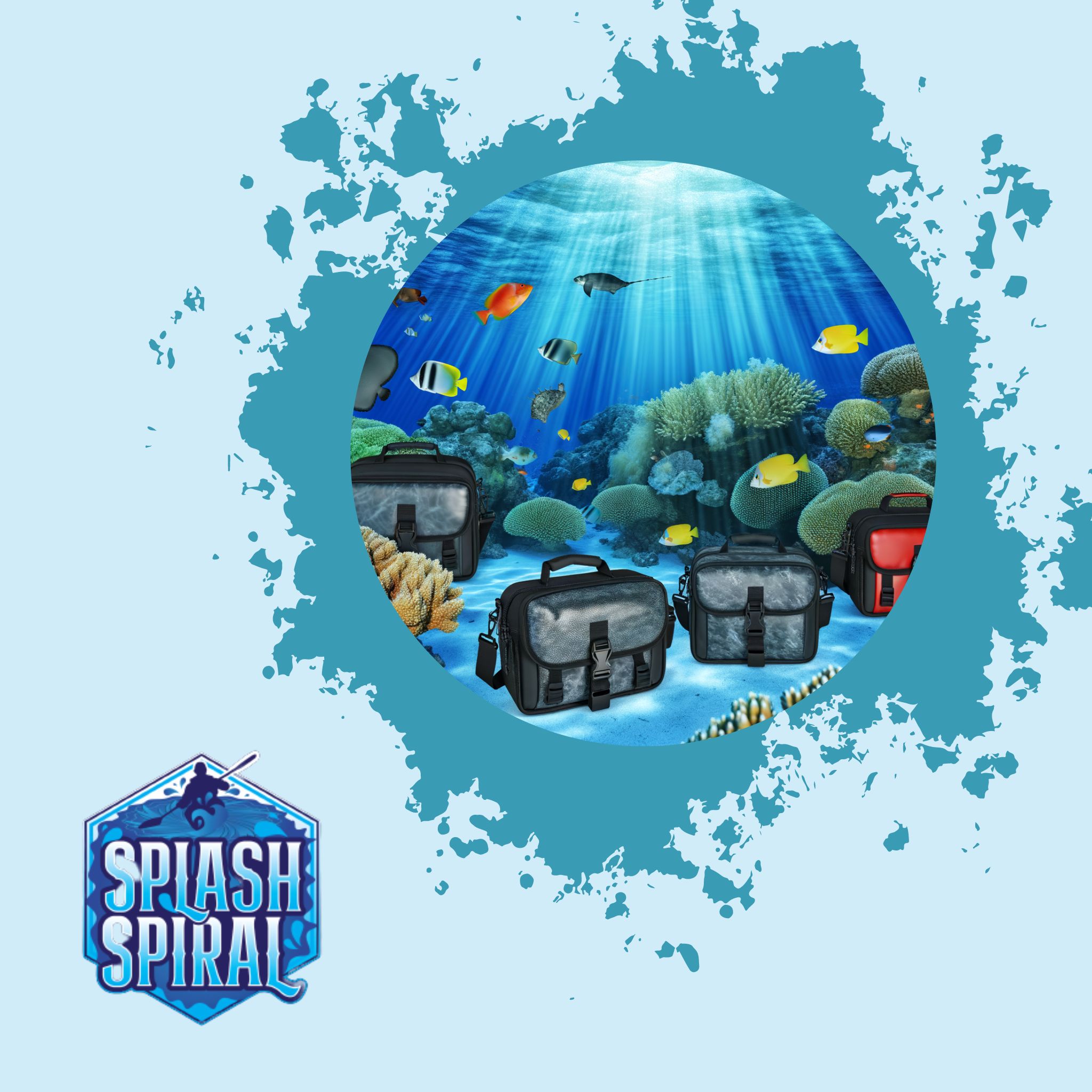
Embarking on underwater photography adventures? Protecting your gear is non-negotiable. A reliable underwater camera travel bag is your best companion for these wet adventures. Whether you’re an aspiring marine videographer or just starting to explore underwater photography, having the right storage solution is key.
Here’s a comprehensive guide to help you choose from the best underwater camera bags out there.
Introduction
Embarking on the journey of underwater photography is thrilling, but it comes with its unique set of challenges. One major concern is the safety of your delicate and often expensive equipment. This is where underwater camera bags step in—they're not just accessories but essential gear for anyone serious about diving into underwater photography.
When selecting the perfect underwater camera bag for travel, there are three primary factors to consider: durability, protection, and usability. Durability ensures your bag can withstand the harsh conditions of both marine environments and travel. Protection is paramount to keep your gear safe from water, impacts, and pressure changes. Finally, usability guarantees that the bag is easy to carry, pack, and access, making your underwater excursions more enjoyable and hassle-free.
Why You Need a Specialized Underwater Camera Bag
Underwater photography opens a whole new world of visual storytelling, but it comes with its unique set of challenges, especially when it comes to protecting your gear. Using a non-specialized bag for your underwater camera equipment is akin to diving without a wetsuit—it’s risky and ill-advised.
Risks of Using Non-Specialized Bags
Firstly, most regular camera bags are not built to withstand the harsh, wet conditions that come with underwater environments. These bags are often made from materials that can let in moisture, leading to potential water damage. Such exposure can result in rusted metal parts, fogged lenses, and even complete equipment failure. Not to mention, poor padding and compartmentalization can leave your expensive gear jostling around, vulnerable to scratches and impacts.
Advantages of Dedicated Underwater Camera Travel Bags
In contrast, specialized underwater camera bags are designed with these exact challenges in mind. Waterproof materials like TPU (Thermoplastic Polyurethane) or high-denier nylon keep the elements at bay, ensuring your gear stays dry even in the wettest conditions. Along with being water-resistant, these bags often feature tight seals and roll-top closures for added security against leaks and splashes.
Furthermore, dedicated underwater camera bags come equipped with thoughtful padding and customizable compartments. These features allow you to snugly fit your camera, lenses, and accessories, minimizing movement and potential damage during transit. This is crucial if you’re traveling to remote dive sites where rough handling is inevitable.
In summary, opting for a specialized underwater camera bag might just be the most crucial investment you make in your underwater photography journey. It ensures that your gear remains safe, secure, and ready to capture the breathtaking underwater vistas that await you.
Top Features to Look for in Underwater Camera Bags
Selecting the right underwater camera bag can be the difference between a smooth trip and a frustrating one. Here are the essential features to look for.
Waterproof Material
Your primary concern with underwater camera bags is, of course, water resistance. Look for bags made from waterproof materials like PVC, TPU, or heavy-duty nylon. These materials ensure that even if the bag gets splashed or submerged briefly, your gear inside stays dry. Remember, it's not just about keeping the water out; these materials also protect against humidity and corrosive saltwater environments.
Cushioning and Compartments
Underwater camera equipment is delicate and expensive, so ample cushioning is non-negotiable. Bags with padded compartments help absorb shocks and impacts during travel. Look for adjustable dividers to customize the space according to your gear’s specific needs. Compartments also help in organizing your equipment—keeping lenses, housings, and other accessories separate and secure.
Size and Capacity
Size matters when it comes to underwater camera bags. You’ll need to consider what gear you usually take with you. For a beginner, a compact bag might suffice, but as you upgrade, you’ll need more space. Ensure the bag you choose can accommodate your current gear and any planned future purchases. Also, think about how the bag fits with your other travel gear; compactness and efficiency are key.
Portability
Ease of carrying is crucial, especially if your dive site involves a bit of a trek. Look for bags with comfortable straps, whether it's a backpack style, shoulder straps, or even wheels for rolling. They should distribute weight evenly to prevent fatigue. Lightweight design should not compromise the sturdiness of the bag. Portability becomes increasingly important the further you have to carry your gear.
Durability
Finally, your underwater camera bag has to withstand the rigors of frequent travel. Durable construction is necessary to handle the bumps, drops, and occasional rough handling. Look for reinforced stitching, sturdy zippers, and overall robust build quality. Some bags even offer UV resistance to protect against sun damage. Your bag should last for years and countless adventures, standing up to the toughest conditions you encounter.
Choosing the right underwater camera bag involves balancing these features according to your personal needs and budget. Prioritize the aspects that align with your specific travel and diving habits to find the perfect bag for your underwater photography adventures.
Best Underwater Camera Travel Bags
Choosing the right underwater camera bag is essential for any photography diver. Below, we review the top three options available in the market to help you make an informed decision:
1. SeaFrogs Ocean Master 300
Description:
The SeaFrogs Ocean Master 300 is one of the leading underwater camera bags designed specifically for divers. It boasts impressive waterproofing capabilities and is built to endure the rough conditions of both sea and travel.
Key Features and Specifications:
- Waterproof material up to 30 meters.
- Multiple padded compartments for secure storage.
- Built-in pressure relief valve.
- Includes a detachable, adjustable shoulder strap for ease of carrying.
Pros:
- Excellent waterproofing ensures that your gear stays dry even in the most challenging environments.
- The compartments are customizable, providing flexibility for different camera setups.
- The pressure relief valve is a bonus for air travel, easing any build-up of pressure inside the bag during flights.
Cons:
- It can be slightly bulky, making it less ideal for minimalists who prefer traveling light.
- The price point is on the higher side, although it reflects the exceptional quality and features.
2. Aquapac 451 Camera Bag
Description:
The Aquapac 451 is a solid choice for underwater photographers who need a reliable yet minimalist bag. This bag is designed with simplicity and effectiveness in mind, providing good protection without the bells and whistles of more complex models.
Key Features and Specifications:
- Constructed from TPU-coated fabric for 100% waterproofing.
- High-frequency welded seams for enhanced durability and leak prevention.
- Transparent lens housings allow for camera operation while it’s inside the bag.
- Adjustable shoulder strap with quick-release buckle.
Pros:
- Lightweight and compact, making it highly portable and easy to pack.
- The clear material allows you to use your camera without removing it from the bag.
- Affordable price, offering good value for those on a budget.
Cons:
- Limited internal padding might not provide sufficient protection against severe impacts.
- Lacks the pressure relief valve, which could be an issue when transporting the bag on flights.
3. Ewa-Marine U-BFZ Bag
Description:
The Ewa-Marine U-BFZ is known for its robustness and is ideal for professional underwater photographers. It offers high-level protection with a meticulously designed sealing system.
Key Features and Specifications:
- Made from a special PVC material reinforced with fabric mesh.
- Double laminated glass port for the lens.
- Integrated finger sleeves allow camera adjustments without compromising the seal.
- Compatible with a wide range of DSLR cameras.
Pros:
- Highly durable construction, designed to withstand tough conditions.
- Versatile and adaptable to different camera models, providing great flexibility.
- Excellent sealing and waterproofing keep your gear safe from leaks.
Cons:
- Slightly heavier compared to other models on the list, which might be a concern for extended travel.
- The price is quite steep, reflecting its use in professional setups.
Each of these bags has been selected based on their functionality, reliability, and user reviews. The right choice will depend on your specific needs, such as the type of camera you use, how often you travel, and your budget. Remember, investing in a high-quality underwater camera travel bag is crucial in safeguarding your precious equipment and ensuring you capture the perfect underwater moments without any worries.
Additional Gear for Underwater Photography Travel
When preparing for underwater photography travel, having the right gear alongside your camera bag can make all the difference. It's not just about the bag itself but also the accessories that ensure your equipment remains functional and safe. Below is a list of essential items that can complement your underwater camera travel bag.
Essential Accessories
Waterproof Seals
Even the best waterproof camera bags can benefit from an extra layer of protection. Waterproof seals come in handy to double-secure your bag’s zippers and other openings:
- Protection: Reduces the risk of water seeping in during high-pressure dives or unexpected splashes.
Silica Gel Packs
Condensation can be a significant issue when you're frequently changing environments, especially from humid areas to cooler underwater settings. Silica gel packs are small but powerful tools to keep moisture at bay inside your bag:
- Function: Absorbs excess humidity, ensuring camera lenses and other sensitive equipment remain dry and free from fogging.
Lens Cloths
Maintaining clear vision through your camera lens is crucial for capturing stunning underwater shots. Ensure you have:
- Microfiber Lens Cloths: Specifically designed for delicate glass surfaces, ideal for routinely cleaning lenses before and after dives.
Maintenance Items
Spare O-Rings and Lubricants
O-rings are essential for maintaining the waterproof integrity of your camera housing:
- Spare O-Rings: Always carry extras along with the appropriate lubricant.
- Usage: Quickly replace worn-out O-rings to keep your equipment airtight and safe from water damage.
Floating Straps
Your gear is valuable and heavy, and the last thing you want is for it to sink if accidentally dropped:
- Functionality: Keeps your equipment buoyant.
- Design: Straps attach to your camera or housing, ensuring it floats on the surface for easy retrieval.
Additional Tools
Compact Tool Kit
A compact tool kit can be a lifesaver when you're out and about:
- Contents: Include small screwdrivers, wrenches, and other tools specific to your camera and housing.
- Purpose: Allows for quick repairs or adjustments, so you’re always ready to capture that perfect underwater shot.
Storage Pouches
Organizing smaller accessories within your main camera bag is crucial:
- Water-Resistant Pouches: Separate and protect items such as memory cards, batteries, and filters.
- Benefit: Keeps everything in its place, making it easier to grab what you need when you need it.
Having these additional items on hand complements your underwater camera travel bag, ensuring that you're fully equipped for any situation. The goal is to focus on capturing incredible underwater moments without worrying about the safety and functionality of your gear.
Video Shooting Tips for Underwater Videography
Diving into underwater videography can be daunting, but with the right tips, you can capture stunning footage that showcases the beauty beneath the waves. Here’s a casual, straightforward guide to get you started.
Stabilization is Key
- Water Movement: Water movement can make your footage shaky and difficult to watch.
- Invest in Equipment: Use a floating grip or a rig to help stabilize your camera.
- Practice: Practice steady, controlled movements while diving to minimize the shake. Remember, slow and steady wins the race!
Understand Your Lighting
- Behavior of Natural Light: Natural light behaves differently underwater, and deeper depths quickly swallow up the sunlight.
- Use Artificial Lighting: For vibrant, clear footage, use underwater lights or strobes.
- Color Fade: Be aware that colors fade the deeper you go—reds and oranges will disappear first.
- Manual White Balance: Use manual white balance settings to bring back those rich hues.
Get Close to Your Subject
- Sharpness and Clarity: Water reduces image sharpness and increases the chances of capturing particles (backscatter).
- Proximity: Get as close as possible to your subject to improve clarity and make your shots more intimate and engaging.
Mind Your Framing
- Simplify Shots: Underwater scenes can often be chaotic with lots of moving elements.
- Focus: Focus on a single subject and frame it against a clear or contrasting background to avoid clutter and make your subject pop.
Plan Your Shots
- Efficiency: Diving limits your time and air supply.
- Preparation: Plan your shots beforehand—know what you want to film and where to find it.
- Shot List: Make a mental or physical shot list and stick to it to make efficient use of your dive time.
Use the Right Settings
- Camera Settings: Optimize your camera settings for underwater conditions.
- ISO: Lower your ISO to reduce graininess.
- Aperture: Choose a wider aperture to let in more light.
- Shutter Speed: Experiment with shutter speed to capture fast-moving subjects without motion blur.
- Manual Operation: Auto modes can be problematic, so learn how to operate your camera manually.
Stay Safe and Take Breaks
- Monitor Supplies: Filming underwater can be exhilarating, but don’t forget to monitor your air supply and depth.
- Awareness: Stay aware of your surroundings, take regular breaks, and ascend slowly to avoid decompression sickness.
By keeping these tips in mind, you'll be better equipped to capture the mesmerizing underwater world. Dive in, experiment, and let the beauty of the ocean inspire your creativity!
Integrating Underwater Video Gear
When it comes to underwater videography, having compatible and reliable gear can make all the difference. It's not just about the camera; the supporting equipment plays a crucial role too. Here’s what you need to know about integrating the right underwater video gear to elevate your captures.
Compatibility and Reliability
First off, ensure that all your video gear is compatible with your camera. This includes:
- Lights
- Lenses
- Housings
Investing in gear designed specifically for your camera model can save you a lot of headaches. Compatibility ensures that the equipment works seamlessly together, while reliability means that your gear can withstand the harsh underwater environment.
Must-Have Video Accessories
- Underwater Housing: A robust underwater housing protects your camera from water damage. Look for housings made from durable materials like polycarbonate or aluminum.
- Strobe Lights and Video Lights: Lighting is critical for quality underwater footage. Strobe lights are great for still photography, but continuous video lights are essential for videography. Ensure they’re waterproof and offer adjustable brightness.
- Wet Lenses: Enhance your camera’s capabilities underwater with macro lenses for intricate details or wide-angle lenses for expansive field-of-view shots.
- Stability Gear: Use tripods and hand grips designed for underwater use to stabilize your shots, reducing the inevitable camera shake that comes with diving.
Assembly and Maintenance
- Assembly: Always assemble your setup in a clean, dry area. Check for any leaks in the housing by doing a preliminary dive with just the housing (no camera inside). This helps ensure that everything is sealed correctly.
- Maintenance: After each dive, rinse all components in fresh water to remove salt and debris, then dry thoroughly before storage.
Transporting Your Gear
Transporting your underwater video gear safely is crucial:
- Padded Compartments: Use padded compartments within your travel bag to protect sensitive components.
- Moisture Management: Silica gel packs can help manage moisture levels inside the bag, guarding against mold and corrosion.
By ensuring compatibility, investing in essential accessories, and maintaining your gear meticulously, you’ll be well on your way to creating stunning underwater videos.
Final Tips
- Safety First: Always prioritize safety in underwater environments.
- Practice Makes Perfect: Familiarize yourself with your gear in controlled settings before taking it on important dives.
- Keep Learning: Stay updated on the latest gear and techniques in underwater videography.
Happy diving!
Videography Lighting for Marine Videography
Good lighting can make or break your underwater videography. Without proper illumination, even the most stunning marine life and coral formations can appear dull and lifeless. Underwater lighting is crucial for bringing out colors and details that are otherwise lost in the depths. Here are some key considerations and popular lighting options to help you capture brilliant underwater footage.
Importance of Proper Lighting
Water absorbs light quickly, with red and yellow hues vanishing first as you dive deeper. By the time you're just a few meters below the surface, everything takes on a blue-green tint. Proper lighting helps counter this effect, restoring natural colors and ensuring your subjects are well-lit.
Good lighting also highlights textures and details, providing a more engaging and visually appealing result. Without adequate lighting, your footage can appear blurry and lack contrast, compromising the quality of your videos.
Popular Lighting Options
-
Video Lights
Video lights are powerful, continuous light sources designed specifically for underwater shooting. They come in various sizes and intensities, but generally offer wide beams to cover more area. Look for lights rated with high lumens outputs—anything from 1000 to 5000 lumens is ideal, depending on your needs and diving depth. Make sure they're waterproof and pressure-rated to the depths you'll be exploring.
-
Strobe Lights
While strobe lights are typically used in still photography, some videographers use them in burst modes for special effects. They emit brief, high-intensity light pulses that can freeze fast-moving subjects, giving you crisp, sharp images in a video sequence.
-
Compact Dive Lights
If you're on a budget or prefer a less bulky setup, compact dive lights serve as a more portable lighting option. Though they don’t offer the same power as video lights, they’re versatile and can be mounted to your camera rig or held manually.
-
Light Filters
Light filters can also be useful in underwater videography. Red filters, for example, help counteract the blue-green tint in shallow water, bringing back the warm colors lost as you dive deeper. Combined with artificial lights, these filters can make a significant difference in color balance.
Tips for Effective Lighting Underwater
- Placement: Position your lights at an angle rather than directly in front of your subject to avoid backscatter—floating particles lit up by your light that create a snowy effect.
- Power Management: Conserve battery life by using the right intensity settings for your depth and shooting conditions. Some lights come with adjustable power settings.
- Stability: Keep your hands steady or use a reliable mounting system to ensure consistent lighting throughout your shots.
In summary, investing in the right underwater lighting is essential for enhancing the quality of your marine videography. Whether you’re using powerful video lights, handy compact dive lights, or creative strobe effects, proper illumination will bring your underwater adventures to life.
Tips for Filming Underwater
Filming underwater demands a unique set of techniques and strategies to capture stable and clear footage. Here are some actionable tips to help you nail those underwater shots:
Stability and Positioning
-
Steady Does It
- Maintaining stability underwater is challenging due to currents and your own buoyancy.
- Use both hands to hold the camera and keep your elbows close to your body.
- Utilize a stabilizing rig or tray if available to minimize shakiness.
-
Control Your Buoyancy
- Perfect your buoyancy skills to avoid sudden movements that can spoil your shots.
- Practice hovering in place using your diving lungs or a buoyancy control device, allowing you to film steadily without floating up or sinking down.
Proximity and Composition
-
Get Close to Your Subject
- Water reduces contrast, color, and sharpness, so getting close to your subject is essential.
- The closer you are, the less water there is between your camera and the subject, resulting in clearer, more vibrant footage.
-
Focus on Framing
- Pay attention to composition rules like the rule of thirds to frame your shots better.
- Think about background elements; the aquatic environment can add an extra layer of interest to your footage.
-
Experiment with Angles
- Capture your subjects from different angles to add variety to your footage.
- Low angles can make marine life appear more majestic, while top-down shots can show their interaction with the environment.
Lighting and Color
-
Mind Your Lighting
- Natural light diminishes quickly underwater, causing everything to look blue and washed out.
- Use underwater lights or video torches to restore color and detail.
- Remember, the deeper you go, the more artificial lighting you'll need.
-
White Balance is Key
- Adjust your camera's white balance settings to compensate for the absence of reds and yellows underwater.
- Many cameras come with an underwater mode, but manual white balance adjustments can offer better results.
Patience and Observation
- Practice Patience
- Marine life follows its own schedule.
- Being patient will often reward you with incredible moments.
- Spend time observing your subject's behavior to anticipate the best time to start recording.
Equipment Care
-
Keep an Eye on Your Gear
- Regularly check your equipment for any potential leaks or issues during the dive.
- Saltwater and pressure can be harsh on gear, so vigilant maintenance is crucial for quality footage and to prevent equipment damage.
-
Post-Dive Checks
- After each dive, rinse your camera and accessories in fresh water to remove salt, sand, and algae.
- This practice prolongs the life of your gear and ensures that your equipment will be ready for the next adventure.
By implementing these tips, you'll be well on your way to capturing breathtaking underwater footage. Remember, practice and patience are your best allies in mastering underwater videography. Happy diving!
Conclusion
Choosing the best underwater camera travel bag isn't just about convenience—it's a necessity for safeguarding your valuable photography gear. From protecting your camera against water damage to ensuring that lenses and accessories are secure during your travels, a specialized bag is crucial.
Investing in a quality underwater camera bag means investing in the longevity and reliability of your equipment. With the myriad of options available, from top brands ensuring waterproof integrity to models with ample compartments for organization, there's a perfect bag for every photographer's needs.
Before you embark on your next underwater adventure, consider the recommendations we've discussed. Your gear's safety is paramount, and having the right bag can make all the difference. Don't hesitate to share your experiences or favorite bags with us—your insights could help fellow underwater photography enthusiasts make the best choices. Safe diving and happy shooting!