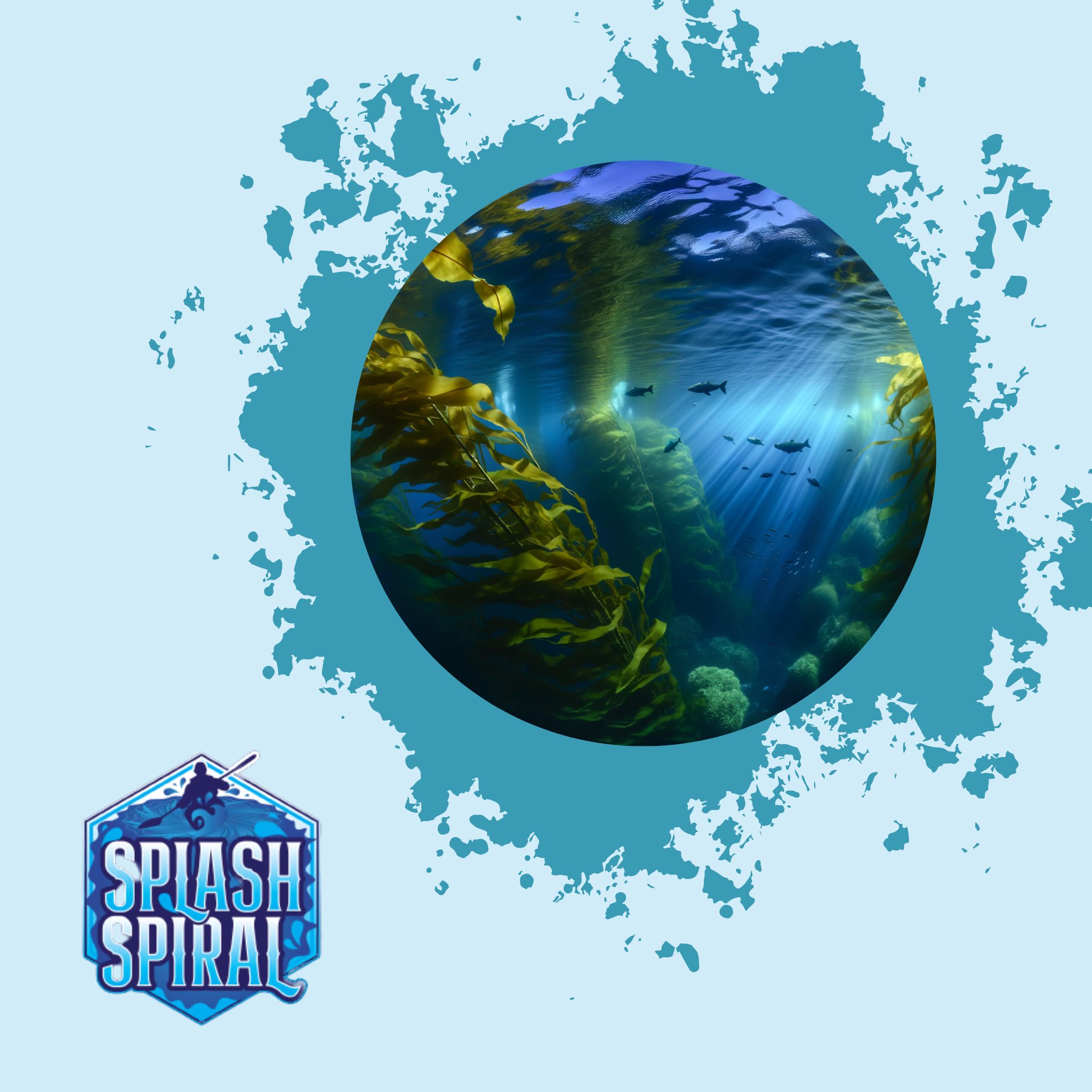
If you've ever dipped beneath the waves and into the lush, green underwater forests made up of kelp, you know just how mesmerizing this underwater landscape can be. Capturing this beauty on camera, however, requires a bit of skill and technique. Whether you're a beginner diver or someone who's just starting to venture into underwater photography, these tips will help you frame the enchanting world of kelp forests effectively.
Introduction
Kelp forests are one of the ocean's most enchanting habitats, featuring towering algae that sway serenely with the currents. These underwater jungles provide a unique environment bustling with marine life, offering endless photographic opportunities for those who dare to immerse themselves beneath the surface. However, capturing the ethereal beauty of kelp forests is not without its challenges.
For starters, the underwater environment presents unique lighting and movement conditions that differ vastly from terrestrial photography. Water absorbs light and changes its color properties, making it harder to capture true-to-life images. The constant movement of water and marine life also demands a steady hand and the right gear. Yet, for aspiring photographers, learning to navigate these challenges can unleash a whole new world of visual storytelling.
By understanding the essentials of underwater photography and adopting techniques suitable for kelp forests, you can capture stunning images that showcase both the majesty and fragility of these underwater ecosystems. Whether you're a beginner diver or just starting with underwater photography, this guide will set you on the right path to capturing breathtaking images of kelp forests.
The Basics: Essential Gear for Kelp Forest Photography
Starting your journey into kelp forest photography means getting the right gear. Here’s what you’ll need:
Photography Gear Essentials
- Waterproof Camera Housing:
- Purpose: Keeps your camera safe from water while providing easy access to controls
- Tip: Look for one specific to your camera model for the best fit
- Lenses:
- Best Choice: Wide-angle lenses
- Focal Length: Consider lenses with focal lengths between 14-24mm
- Lighting Equipment:
- Importance: Natural light diminishes rapidly underwater
- Tip: Invest in a good underwater flash or strobe setup to bring out the vivid colors of the kelp and marine life
Getting Started with Your Gear
Before diving in, set up your gear meticulously to ensure everything functions correctly underwater.
Preparing Your Gear
- Seal Checks:
- Inspect waterproof housing seals before every dive
- Test by closing the housing without the camera and submerging it in water to check for bubbles
- Battery and Memory Card:
- Fully charge your camera battery
- Insert an empty memory card with ample space
- Assembling Gear:
- Carefully place your camera in the housing
- Ensure all controls are accessible and working
- Attach strobes or flashes securely and check if they sync with your camera
Basic Maintenance Tips
- Post-Dive Rinse:
- Rinse your housing in freshwater after every dive to remove salt and sediments
- This prevents corrosion and damage
- Regular Inspections:
- Regularly inspect your equipment for wear and tear
- Pay special attention to seals and the condition of housing ports
- Storage:
- Store your gear in a cool, dry place
- Keep the housing slightly open to prevent pressure build-up
- Avoid sealing the camera inside unless you’re ready to dive
By equipping yourself with the right gear and taking the time to properly prepare and maintain it, you'll set yourself up for a successful and enjoyable underwater photography experience in the enchanting kelp forests.
Lighting Underwater: Techniques and Tips
Importance of Good Lighting
Good lighting is a game-changer in underwater photography. In the kelp forest's shadowy depths, proper lighting ensures your photos are vibrant and clear, rather than murky and indistinct. Water absorbs light quickly, especially the red spectrum, making everything appear bluish-green. A well-lit shot can bring back the rich, natural colors of both kelp and sea life.
Underwater Flash and Strobe Techniques
Positioning Your Flash and Strobes
Positioning your flash or strobes correctly is key for capturing the magic of kelp forests. Unlike on land, where light travels relatively unobstructed, underwater environments pose unique challenges. Here’s a practical approach to setting up your lighting:
- Angle Your Strobes Outward: Aim your strobes slightly outward. This reduces backscatter (the reflection of light by particles in water), keeping your shots clear.
- Distance Matters: Keep your strobes close to the camera housing, about 12-18 inches away. This proximity reduces the water column between your light source and the subject, minimizing interference.
- Experiment with Angles: Play around with different angles. Side-lighting can enhance the texture of kelp, while lighting from above can mimic natural sunlight filtering through the canopy.
Avoiding Common Lighting Mistakes
- Overexposure: It's easy to overdo the flash. Dial back the intensity to avoid washing out your subjects.
- Flat Lighting: Lighting your subject head-on can make the image appear flat. Use side or angled lighting to introduce depth and dimension.
Overcoming Murky Water Challenges
Murky water can be a real bear, but there are ways to navigate through:
- Use a Diffuser: Attach a diffuser to your strobe to spread the light more evenly and soften harsh shadows.
- Get Close: The closer you are to your subject, the less water—and particulates—you have to shoot through. This cuts down on the murkiness.
- Manual Adjustments: Rely on manual settings to tweak your exposure and shutter speed. Sometimes, minor adjustments can make a huge difference in murky conditions.
Practical Tips for Balanced Lighting
Achieving a balance between natural and artificial light makes your photos look not only realistic but also more captivating:
- Blend Ambient and Strobe Light: Adjust your camera's settings to blend the ambient light with your strobe light. It helps in maintaining the natural look of the kelp forest’s environment.
- Shoot Upwards: Position yourself lower than your subject and shoot upwards. This technique captures the light filtering down through the kelp, creating an ethereal and dramatic effect.
- Use Multiple Strobes: If possible, use two strobes rather than one. Having dual light sources can cover more area and provide more balanced illumination.
By mastering these lighting techniques, you’ll ensure that your photos truly capture the enchantment of the kelp forests. Now, grab your gear and dive into the green abyss—let your light guide the way!
Photography Techniques for Kelp Forests
Framing and Composition:
Framing your shots under the canopy of kelp can be a uniquely rewarding challenge. Begin by treating the kelp as you would a forest on land—look for natural arches formed by the fronds or shafts of light piercing through. These elements can act as natural frames for your subjects. Also, consider the rule of thirds. Position the main elements off-center to create a more balanced and engaging image. Use the vertical lines of the kelp stalks to lead the viewer’s eye through the photograph.
Manual Settings and Adjustments:
When shooting in kelp forests, manual settings can be your best friend. Start with a slower shutter speed and wider aperture to allow ample light into your camera. ISO settings should be kept low to reduce noise, but feel free to increase ISO as needed in murky conditions. Also, pay attention to your white balance; setting it manually can drastically improve the colors in your photos. An underwater mode or custom white balance can adjust for the blue cast that often dominates underwater scenes.
Managing Movement:
Maintaining stability underwater is crucial but challenging due to currents and your own buoyancy. Practice hovering techniques to keep yourself as steady as possible, using your breath to make slight adjustments in height. Anchoring yourself with one hand while shooting with the other can also provide additional stability. Utilize the water’s natural movement to your advantage by capturing the grace and sway of the kelp, adding a dynamic element to your shots.
Enhancing Colors and Details:
Filters are a quick way to enhance the natural colors lost underwater. Red filters are particularly useful at deeper depths, as they restore the color spectrum that gets absorbed by the water. Additionally, post-processing can further enhance your images. Adjust the contrast and saturation carefully to bring out the vivid greens of the kelp without overdoing it. Sharpening can also help to reveal the intricate details of underwater life hidden in your shots.
By mastering these techniques, you’ll be well on your way to capturing the serene and mysterious beauty of kelp forests. Start practicing these methods one dive at a time, and soon, your underwater photos will improve exponentially.
Professional Tips: Elevate Your Underwater Photography
So, you've got the basics down and you've captured a few decent shots of kelp forests. Great start. But how do you take your underwater photography to the next level? Here are some insights from seasoned underwater photographers to help you truly capture the essence of these mesmerizing underwater landscapes.
Insights from Seasoned Underwater Photographers
Experienced underwater photographers will tell you that patience and practice are your best friends. Spend time observing how light interacts with the kelp at different depths and times of day. Experienced eyes can often spot the most photogenic scenes, so don’t rush your dive. Take several shots from different angles and use these opportunities to experiment with your settings.
Advanced Techniques to Capture the Depth and Scale of Kelp Forests
-
Wide-Angle Lenses:
- To capture the grandeur and vastness of kelp forests, use a wide-angle lens.
- This allows you to include more of the lush environment in a single shot, accentuating its depth and richness.
-
Use the Water Column:
- Leveraging different levels of the water column adds dimension to your shots.
- Photograph from below looking up, capturing the beams of sunlight penetrating through the kelp leaves.
- This not only emphasizes the verticality of the kelp but also highlights the play of light and shadow.
-
Foreground Interest:
- Incorporate subjects in the foreground, like fish or divers, to provide scale and depth to your images.
- This technique not only enhances compositional interest but also helps viewers appreciate the actual size of the kelp forest.
Common Pitfalls to Avoid and Best Practices to Adopt
-
Avoid Overexposure:
- One common mistake is overexposing your shots.
- The underwater environment can trick your camera’s light meter.
- Always check your histogram and err on the side of underexposure because you can always brighten a dark image but recovering an overexposed one is much harder.
-
Mind Your Buoyancy:
- Maintaining perfect buoyancy is crucial.
- Poor buoyancy can result in rushing through a scene too quickly or worse, damaging the fragile underwater environment.
- Practice hovering in place to get those steady, crystal-clear shots.
-
Steer Clear of Sediment:
-
Kicking up sediment can ruin your photos.
-
Remember to use your fins diligently and try to stay away from the bottom to keep your shots clean and free of particles.
- Backup Everything:
- Always have backup batteries and memory cards.
- Nothing's worse than running out of juice or storage space right when you're capturing the perfect moment.
Best Practices
-
Pre-Dive Preparation:
- Check and double-check your gear.
- A small leak in your housing can spell disaster.
- Run through a pre-dive checklist to ensure everything is in working order.
-
Post-Dive Maintenance:
- Rinse all your gear in freshwater after every dive to remove salt and prevent corrosion.
- Dry off thoroughly before opening your housing to avoid accidentally introducing moisture inside.
-
Conservation Mindset:
-
Always remember that you're a guest in the underwater world.
-
Respect the marine life and habitats by keeping your hands to yourself and never disturbing the wildlife or the kelp.
By incorporating these advanced techniques and learning from the pros, you’ll be able to elevate your underwater photography and capture the mystical beauty of kelp forests in new and exciting ways. Happy diving!
Safety Considerations While Shooting
Capturing the underwater beauty of kelp forests can be thrilling, but it’s vital to prioritize safety—for both yourself and the delicate marine environment.
Diving Safety:
First and foremost, always adhere to basic scuba diving safety protocols. This includes completing a thorough pre-dive check, maintaining clear communication with your dive buddy, and being aware of your surroundings and limitations. When combining diving with photography, the complexity increases, so here are a few key tips to keep in mind:
- Stay Mindful of Your Air Supply: It’s easy to get lost in the perfect shot, but constantly monitor your air gauge to ensure you have enough air to safely complete your dive.
- Buoyancy Control is Crucial: Good buoyancy helps you stay stable while shooting and reduces the risk of damaging the environment. Practice maintaining neutral buoyancy to avoid accidental contact with the kelp and seabed.
- Prevent Entanglement: Kelp can easily entangle divers, especially when navigating tight spaces. Always be aware of your surroundings and avoid rapid or jerky movements that can cause entanglement. If you find yourself tangled, stop, remain calm, and carefully untangle yourself without damaging the kelp.
Equipment Safety:
Protecting your gear is just as important as protecting yourself. Here are some tips to ensure both safety and equipment longevity:
- Secure Your Gear: Make sure all cameras, lights, and additional attachments are securely fastened to avoid accidental loss. Use lanyards or clips to keep everything attached to you or your BCD (buoyancy control device).
- Regular Equipment Checks: Before each dive, double-check that your underwater housing is sealed correctly, batteries are fully charged, and all camera functions are working properly. A minor leak or malfunction underwater can ruin your gear and your dive.
- Environmental Respect: Always practice “leave no trace” principles underwater. Avoid touching or breaking the kelp or other marine life, and never leave behind any equipment or trash. Using eco-friendly gear and practices minimizes your impact on the marine ecosystem.
With these safety considerations in mind, you’re better prepared to dive into the captivating world of kelp forests and effectively capture their splendor, all while keeping yourself and the environment safe.
Conclusion
Embarking on kelp forest photography opens up a realm where artistry and nature intertwine, offering both challenge and reward. By arming yourself with the right gear, mastering lighting techniques, and honing your framing skills, you can transform mesmerizing underwater vistas into stunning photographic memories. Remember, the journey to becoming adept at capturing the beauty of kelp forests is a continuous process. Each dive is an opportunity to refine your techniques and uncover new perspectives.
Stay patient, keep practicing, and don't hesitate to seek advice from the broader underwater photography community. For further support and to connect with fellow enthusiasts, visit "Top 5 Underwater Photography Forums".
Dive into kelp forests equipped with these tips, and start capturing the magic of the underwater world with confidence!