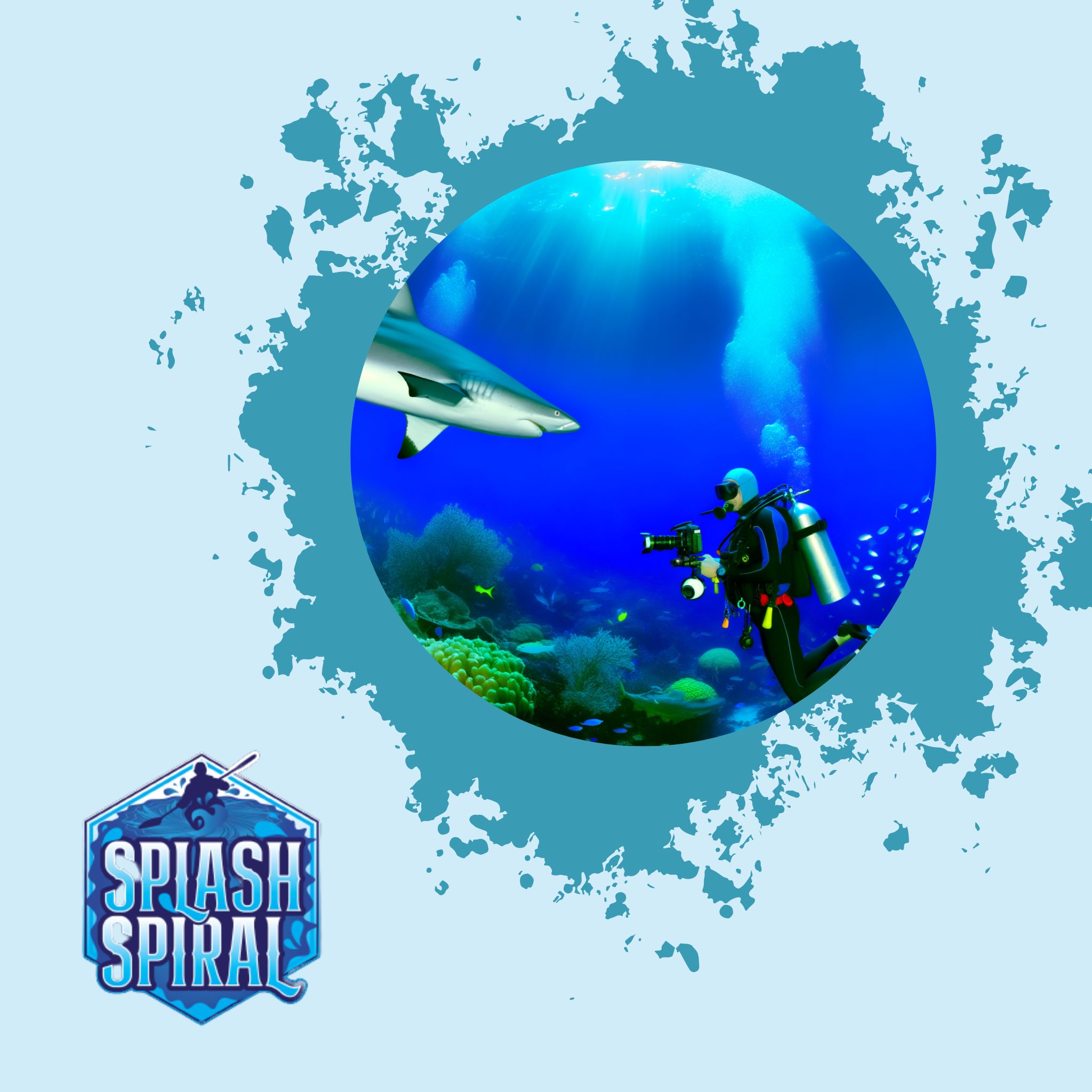
Capturing the majestic and elusive shark in its natural habitat is a thrilling prospect for underwater photography enthusiasts. However, it requires a unique set of skills and precautions to ensure safety while getting those incredible shots. Whether you're a beginner or someone looking to delve into the world of shark underwater photography, this guide will provide you with practical tips and techniques to make your experience both safe and rewarding.
Introduction <–
Photographing sharks underwater is an exhilarating and awe-inspiring venture, but it’s not without its challenges. The pursuit of that perfect shot brings an adrenaline rush, juxtaposed with the serene beauty of these magnificent creatures in their natural habitat. However, diving into shark photography requires a blend of excitement and caution.
Safety is paramount—both yours and the sharks'. As beginners, it’s crucial to understand that while we aim to immortalize these fascinating beings on film, our presence should never disrupt their environment. This guide will navigate you through the essentials, balancing thrill with mindfulness.
Preparing for Your Dive
Research and Planning
Getting ready to plunge into the depths isn't just about packing your gear; it's also about doing your homework. Before you even dip a toe in the water, it's essential to research thoroughly about the location and the shark species you'll be photographing. Different shark species have varying behaviors and knowing these can spell the difference between a successful dive and a dicey situation. Are you diving in the tropics with reef sharks, or in the colder waters with great whites? Each setting demands different strategies and preparation.
Start by understanding the behavior patterns of sharks. For instance, some sharks are more active during dusk and dawn, while others might be more visible in clearer waters. Familiarizing yourself with their feeding times, common behaviors, and even the type of prey available in the area can provide crucial insights. Resources like documentaries, scientific studies, and even local guides can be gold mines of information.
Gear Checklist
When it comes to underwater photography, having the right gear can make or break your dive. Here’s a checklist to ensure you don’t overlook anything:
- Camera and Housing: Ensure your camera is suitable for underwater photography and that the housing is robust and watertight.
- Lenses: Wide-angle lenses are generally preferred for capturing large marine life like sharks.
- Strobes and Lights: These are crucial as natural light diminishes rapidly underwater.
- Backup Equipment: Always carry spares like extra batteries, memory cards, and even an extra camera, if possible.
- Accessory Essentials: Items like diving knives, lanyards, and slate boards for notes and communication.
Before each dive, double-check the functionality of all your gear. This step is critical; even a minor malfunction could ruin the dive or worse, create dangerous situations.
Training and Certification
You wouldn’t jump out of an airplane without a parachute, would you? Similarly, diving without proper certification isn’t just risky, it’s downright dangerous. A fundamental scuba certification is a must, but if you’re serious about diving with sharks, consider going a step further to get specialized training.
Courses focusing on shark behavior and safe diving techniques with large marine animals are worth the investment. These programs often include simulated training exercises to practice how to react in various scenarios you might encounter underwater. Additionally, knowing how to handle unexpected situations, like equipment failure or sudden changes in water conditions, can make your dive safer and more enjoyable.
By ticking off these items—research and planning, gear preparation, and proper training—you set yourself up for a safer, more successful dive. Plus, you'll be in a far stronger position to capture those stunning, awe-inspiring shots of sharks in their natural habitat.
Essential Tips for Shark Underwater Photography
Use the Right Camera Settings
Getting the settings right is crucial when photographing sharks underwater. Start with mastering manual mode, which offers full control over exposure and focus, essential for capturing fast-moving subjects in varying lighting conditions. Use resources like Mastering Manual Mode in Underwater Photography to get a good grasp of the basics.
- Aperture: Aim for a medium to small aperture (f/8 to f/11) to get a good depth of field while ensuring sharpness.
- Shutter Speed: Sharks move quickly, so a fast shutter speed (1/250 sec or higher) is necessary to freeze the action.
- ISO: Start with the lowest ISO possible to minimize noise, increasing as needed based on light availability.
Staying Calm and Aware
Diving with sharks can trigger adrenaline. However, staying calm is critical for both your safety and the quality of your photos.
- Breathing Techniques: Practice slow, deep breaths to maintain a relaxed state. Rapid breathing can create bubbles that may startle sharks, affecting your shots.
- Mindfulness: Stay present and aware of your surroundings. This situational awareness helps you anticipate shark movements and avoid unwanted surprises.
- Shark Behavior: Learn to read shark body language. For instance, rapid tail movements or frequent direction changes can indicate agitation. Respect these signals and adjust your approach accordingly.
Optimal Distance and Angles
Maintaining the right distance and choosing effective angles are key to photographing sharks without disturbing them.
- Safe Distance: Aim to stay at least 3-5 meters away from the shark. This range allows you to capture detailed images without encroaching on its space.
- Angles: For a dramatic effect, shoot from slightly below the shark looking up. This angle emphasizes its size and power, especially when backlit by sunlight.
- Patience: Let the sharks come to you. Avoid chasing them, as this can result in blurry photos and disturb the animals.
By following these essential tips, you can improve your underwater shark photography, ensuring both impressive photos and a respectful, safe experience for all parties involved.
Videography Tips: Capturing Motion
Capturing the essence and motion of sharks underwater can be incredibly rewarding and exhilarating. Here are some essential tips to help you get dynamic video footage while ensuring you remain safe and respectful of your underwater subjects.
Video Shooting Tips
Achieving high-quality video footage underwater requires careful planning and technique. Start by setting your camera to a wide-angle lens; this allows you to capture more of the scene and the fluid movements of the sharks. Always shoot in 4K resolution if your camera supports it—this gives you leeway in post-production for cropping and stabilizing.
Keep your camera movements smooth and deliberate. Sudden jerks or quick pans can be jarring and disorienting to viewers. If you're swimming, consider using a stabilizer or grip to help maintain steady shots. Don’t forget to plan your shots—try to anticipate the sharks' movements to keep them framed consistently.
Lighting Techniques
Proper lighting can make a world of difference in your underwater videos. Water absorbs light, and the deeper you go, the more monochromatic your footage can become. To combat this, use video lights or underwater strobes strategically. Position them to the side of your camera to reduce backscatter, which are those pesky particles that reflect the light and obscure your shot.
Adjust the intensity of your lights based on the ambient light and the water’s clarity. Avoid shining lights directly into the eyes of the sharks to prevent startling them. Using reflectors can also help bounce natural light onto your subject, adding depth and contrast to your footage.
By mastering these videography tips and lighting techniques, you'll be well on your way to capturing stunning, fluid motion in your underwater shark videos. Remember to always respect the marine environment and maintain a safe distance for both your safety and that of the marine life. Happy diving and filming!
Specialized Underwater Video Gear
Choosing the Right Gear
When it comes to capturing the movement and grace of sharks on video, using the right underwater gear is crucial. Beginners often make the mistake of using general-purpose action cameras, but for the best results, look for equipment specifically designed for underwater videography. Options like housed DSLR or mirrorless cameras equipped with wide-angle lenses give you both flexibility and quality. Underwater compact cameras can also offer great results for beginners, providing ease of use without compromising too much on image quality.
Consider gear that supports 4K video recording, as this will allow you to capture the finest details and provide greater flexibility in post-production. Look for models that offer manual white balance adjustment, as this is critical when dealing with the challenging lighting conditions underwater. Ensuring that your camera has a good battery life and enough storage can save you from missing crucial shots during your dive.
Maintenance and Care
Maintaining your underwater video gear properly can make a significant difference in your diving experience and the longevity of your equipment. Before each dive, thoroughly check the O-rings and seals on your camera housing to ensure they are intact and free from debris. A small tear or loose seal can lead to catastrophic water damage.
Rinse your gear with fresh water immediately after each dive. This will help remove salt and debris that could corrode your equipment. Pay special attention to buttons and controls, as these areas can easily trap salt crystals that lead to long-term damage.
Post-dive maintenance is equally important. After your final rinse, let your gear air-dry completely before storing it in a cool, dry place. Avoid direct sunlight, as UV rays can degrade the materials over time. Regularly inspect your gear for wear and tear, replacing O-rings and seals as needed to ensure a watertight experience on every dive.
By following these guidelines, you can ensure your specialized underwater video gear remains in top condition, ready for your next shark-photography adventure.
Safety Precautions
When diving to photograph sharks, your safety should be a priority. Here are some key precautions to ensure a secure and enjoyable experience:
Buddy System and Communication
Never dive alone. The buddy system is crucial, not just for safety but for enhancing your overall experience. Having a diving buddy means there’s always someone to assist you in case of an emergency. Good communication is essential, both underwater and on the surface. Use standardized hand signals to convey important messages quickly and clearly. Non-verbal communication techniques, like gestures and flashlight signals, can be vital when visibility is compromised.
Understanding Limitations
Know your limits—both in terms of physical endurance and skill level. It’s okay to acknowledge that some dives may be too challenging. Adhere strictly to your dive plan and avoid pushing beyond your comfort zone. Safety protocols and environmental regulations are there for a reason; they protect you as well as the marine ecosystem. Familiarize yourself with these guidelines and respect them fully.
Emergency Procedures
Always have a well-defined emergency plan before you dive. This includes knowing the nearest exit points, the location of emergency equipment, and having a clear idea of what to do in various emergency scenarios. Quick decision-making is crucial when unexpected situations arise. Practice makes perfect, so running through emergency drills can be immensely helpful. Ensure your buddy is also aware of and agrees with the emergency procedures to create a cohesive response if anything goes wrong.
By adhering to these safety measures, you’ll not only protect yourself but also contribute to a respectful and sustainable interaction with the majestic sharks and their environment.
Post-Dive: Reviewing and Processing
After the exhilaration of your shark dive and shooting session, taking the time to properly review and process your footage and photos is crucial. Here's how to make sure you get the most out of your underwater adventure:
Reviewing Footage and Images
-
Quick Backups:
- As soon as you're out of the water, back up your files. Use reliable storage options like external hard drives and cloud services to ensure your work is safe.
- Make duplicate copies to avoid any unfortunate data loss.
-
Initial Review:
- Take an initial look at your footage and photos to get a sense of what worked and what didn't.
- Identify key moments and highlights that capture the essence of your shark photography session.
-
Organize Files:
- Create a systematic folder structure on your computer to organize your images and videos by date, location, and subject.
- This will make it easier to find specific shots when you start editing.
Editing and Enhancements
-
Basic Editing Tips:
- Start with basic adjustments like cropping and straightening to improve the composition.
- Use software like Adobe Lightroom or Photoshop for photos and Adobe Premiere Pro or Final Cut Pro for videos.
-
Color Correction:
- Underwater images often come out with a blue or green tint. Use color correction tools to bring back the natural colors of the underwater environment and the sharks.
- Adjust the white balance to correct any color casts and enhance the natural hues.
-
Exposure Adjustments:
- Fine-tune the exposure to ensure that your images or videos are neither too dark nor too bright.
- Balance shadows and highlights to bring out the details in both well-lit and darker areas.
-
Sharpening and Noise Reduction:
- Apply sharpening to enhance the details, but be careful not to overdo it as it can introduce unwanted artifacts.
- Use noise reduction to clean up any graininess caused by the low-light conditions underwater.
-
Special Effects and Enhancements:
- Use special effects sparingly to add a bit of creative flair, like vignette or subtle filters.
- Avoid heavy effects that can make the image look unnatural or overly processed.
-
Final Review:
- After editing, do a final review of all your photos and videos. Check for consistency in color, exposure, and overall quality.
- Make any necessary adjustments before saving and exporting your final versions.
Conclusion
By meticulously reviewing and processing your footage and images, you’ll ensure that your shark photography not only looks impressive but also does justice to the majestic creatures you've captured. This post-dive effort is what turns good shots into extraordinary visual stories. Happy editing!
Conclusion
Photographing sharks underwater can be one of the most exhilarating experiences for any budding underwater photographer. In this guide, we've outlined essential tips and techniques to keep your diving adventures safe and your photos spectacular. From understanding shark behavior and having the right gear to staying calm and aware during your dive, every aspect has been covered to ensure you're well-prepared.
Remember, safety is paramount—not just for you but also for the sharks and their ecosystem. Always dive with a buddy, pay attention to your surroundings, and adhere to all safety protocols and environmental regulations. When it comes to photography, maintaining the right distance and respecting the animals is key to capturing stunning images without disruption.
Once you're back on land, take the time to review and process your footage carefully. Quick backups and basic editing can go a long way in ensuring your photos and videos truly capture the magic of your underwater encounters.
By following these guidelines, you'll not only enhance your skills but also contribute to the responsible and ethical practice of underwater photography. Continue to educate yourself and hone your craft with more resources and information (check out our sections on Scuba Diving and Diving).
Happy diving and shooting!