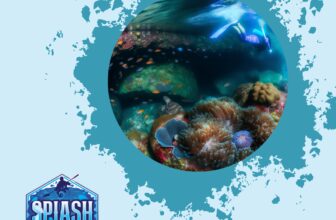
Ready to level up your photography game with some stunning split-shot (over-under) photos? Split-shots are a powerful technique in diving photography, allowing you to capture two worlds in a single frame—both above and below the water surface. This guide will provide simple, direct steps to master the art of split-shot underwater photography.
Introduction
Split-shot photography, also known as over-under photography, captures both the underwater and above-water worlds in a single frame. This technique creates stunning visuals by blending two distinct environments, producing images that are not just photos but experiences. For beginner photography divers, learning split-shot photography opens up a new dimension of creative possibilities. It allows you to showcase the vibrant underwater life without losing the context of the surrounding environment, making your diving adventures even more compelling.
Whether it's the bright scenes above or the mysterious depths below, mastering split-shot photography enhances your ability to tell a full story with a single shot. As you delve into this guide, you'll uncover the straightforward steps and essential tips to start capturing dynamic split-shots like a pro.
1. Understanding Split-Shot Photography
What is Split-Shot Photography?
Split-shot photography, also known as over-under photography, captures both the underwater and above-water worlds within a single frame. Think of it as a visual double play, where you seamlessly capture the beauty of a coral reef while also showcasing the surrounding ocean surface and sky. This technique provides a unique storytelling element, vividly depicting the dynamic interaction between water and air.
For beginners, the appeal is straightforward: you get to showcase two different perspectives in one shot. It’s like getting two photos for the price of one click. Marine life, scenic waterscapes, and dynamic seascapes all benefit from this technique, making your underwater photography portfolio instantly more compelling and varied.
Essential Gear for Split-Shot Photography
Before you dive into the action, you'll need the right gear to execute split-shot photography successfully. Here’s what you’ll need:
-
Underwater Camera: A good-quality underwater camera is non-negotiable. Opt for one that offers a wide-angle lens, as this helps in capturing expansive underwater scenes.
-
Dome Port: This is your secret weapon for split-shots. A dome port extends the waterline distance from the lens, allowing you to capture clear, sharp images both above and below the surface. When choosing a dome port, make sure it's compatible with your camera and offers a wide enough field of view to capture the scene effectively.
-
Accessories: Don't forget essential accessories like:
-
Sturdy underwater housing for your camera
-
Waterproof lens covers
-
Floating straps to prevent your gear from sinking
Additional Tips
For those new to underwater photography, picking the right equipment might feel overwhelming. Here's a beginner's guide on choosing the right equipment and maintaining it.
- Proper Maintenance: Proper care is key; saltwater and sand can wreak havoc on your gear. Always rinse everything with fresh water after your dive and store it in a dry, cool place.
Armed with the right gear and an understanding of what split-shot photography is all about, you're halfway there. The next step is setting up your equipment and understanding the basics of camera settings, which we'll cover in the next section.
2. Setting Up for Success
Choosing Your Camera and Dome Port
Alright, let’s talk gear. Your camera and dome port combo are your dynamic duo for capturing those jaw-dropping split-shots. First up, the camera. If you’re just dipping your toes into underwater photography, you don't need to break the bank with a super high-end model. Look for something reliable and user-friendly, like the GoPro Hero series or compact cameras such as the Olympus Tough series. More advanced? You might want to check out mirrorless options from Sony or Canon that offer superior image quality and flexibility.
Next, the dome port. This nifty device is a game-changer—it helps you achieve that seamless split between air and water. Why a dome and not a flat port? The dome’s curved surface minimizes distortion and allows you to capture a wider perspective underwater. They come in various sizes, from compact to larger options, so pair it with your camera accordingly. Make sure you choose a dome port compatible with your specific equipment, and don't skimp on quality—your shots depend on it.
Basics of Camera Settings
Setting up your camera correctly is half the battle won. Here’s a quick lowdown:
-
Aperture: Aim for a small aperture (high f/stop number) to get a wide depth of field. This ensures both the underwater scene and above-water view are in focus. F/8 to f/16 is a sweet spot.
-
Shutter Speed: A faster shutter speed helps freeze motion, both of the water surface and any moving subjects below. Start with 1/125th of a second and adjust as necessary.
-
ISO: Underwater, light diminishes quickly. Keep your ISO at a moderate range—enough to capture detail without introducing too much noise. An ISO setting between 400-800 usually works well.
- Focus: Use continuous autofocus if your camera has it. This helps lock focus on both above and underwater elements as you shoot.
For lighting, natural light is your best friend. Early morning or late afternoon provides soft, balanced lighting. If you need extra illumination, consider using strobes or an underwater flash, but be cautious about overexposure.
Get these basics down, and you're already on your way to creating stunning split-shot photography. Happy shooting!
3. Mastering the Technique
Positioning Your Shot
Getting the perfect split-shot comes down to how well you position yourself and your camera. Start by floating horizontally on the water's surface, keeping your body as steady as possible. You want the lens half-submerged, so pay attention to the waterline. The goal is to achieve a clean, crisp division between the above-water and underwater worlds.
To get this alignment right, slightly tilt the camera upward and find a focal point just above the waterline. This helps ensure your shot isn't dominated by one realm. Also, try to keep your dominant hand steady while gently pressing the shutter to minimize shaking. Remember, practice makes perfect—don't get discouraged if you don't nail it on the first try.
Handling Lighting Challenges
Lighting can be tricky in split-shot photography because you’re dealing with two different environments. Above the water, you’ve got plenty of natural light, but underwater, it gets dim fast. Balancing these differing light levels is the key.
First off, avoid shooting during midday when reflections and glare off the water can be intense. Early morning or late afternoon offers softer, more balanced light.
Second, play around with your camera's exposure settings. Underexposing slightly can prevent the above-water portion from getting washed out by bright sunlight. If you have an underwater strobe or flash, use it sparingly to illuminate the underwater part without overpowering the scene.
Lastly, always be mindful of the sun’s position. Keep the sun behind you to minimize harsh shadows and reflections. Working with natural light can be challenging, but mastering these techniques will bring you one step closer to capturing those breathtaking split-shots.
4. Practical Tips for Better Split-Shot Photos
Timing and Patience
Timing is everything when it comes to nailing a great split-shot photo. Water is constantly on the move, and so is your underwater world. Getting a perfectly clear divide between the air and water requires a keen eye and impeccable timing. The best times to shoot are during calm conditions with minimal water movement—think early mornings or late afternoons. These periods usually offer optimal lighting, reducing harsh shadows and glaring reflections.
Patience plays a huge role too. You'll need to hover around, waiting for just the right moment when the water surface is at its calmest. This is also the perfect time to watch the light, as underwater lighting conditions can change rapidly. Being patient and aware can mean the difference between a blurry mess and a crisp, breathtaking split-shot.
Composition and Creativity
While technical skill is important, creativity can't be overlooked. This is your chance to showcase a juxtaposition of two worlds in one frame, so think creatively. One of the easiest ways to elevate your composition is by positioning interesting subjects both above and below the water line. For instance, a vibrant coral reef below and a scenic coastline above can create a captivating contrast.
Experiment with different angles and distances. Don’t be afraid to position your camera slightly above or below the water line before taking your shot. This can result in a more dynamic and engaging photo. Embrace the unpredictable—sometimes a sudden splash or an unexpected wave can add exciting elements to your composition.
Post-Processing Tips
Even the best shots can benefit from a bit of touch-up. Post-processing allows you to enhance your images to achieve that professional polish. Start by correcting the exposure and contrast to ensure a balanced look between the underwater and above-water sections. Be cautious with color correction; you want to enhance the natural beauty, not distort it.
For beginners, user-friendly software like Adobe Lightroom or even free tools like GIMP can be incredibly effective. Focus on clarity and sharpness, but remember, sometimes less is more. Over-processing can lead to an unnatural look and detract from the authenticity of your split-shot.
Putting these practical tips into action will help you transform your underwater photography skills from basic to pro-level. Keep experimenting, practicing, and refining your techniques—each shot will get better with time and experience. Happy shooting!
5. Practice and Continuous Improvement
So, you've got the gear, nailed the settings, and taken your first few split-shot photos. What's next? Practice and continuous improvement. Like any skill, honing your craft in split-shot photography requires dedication and a willingness to learn from others.
Learning from Pros
First off, don't underestimate the value of learning from experienced underwater photographers. They have already made the mistakes you're trying to avoid and their insights can be invaluable. Check out Best Underwater Photography and Videography Courses Online to find structured lessons and courses that can fast-track your learning curve. These courses cover a range of skills from basic composition to advanced post-processing techniques, tailored specifically for underwater photography.
Community and Practice
Another awesome way to improve is by joining photography communities. Networking with other diving photographers can provide feedback, boost your motivation, and keep you informed about the latest trends and gear. There are loads of forums and social media groups dedicated to underwater photography where you can share your work and get critiqued by peers. Not only will this help you see your photos from different perspectives, but it can also introduce you to fresh techniques and ideas you might not have considered.
Being part of a community can also expose you to group challenges and projects, pushing you to experiment and improve. Whether it's a local diving club or an online forum, staying connected will keep you in the loop and help you stay motivated. Plus, it's way more fun to celebrate your breakthroughs with folks who get it!
Remember, even the pros keep learning and practicing. So grab your gear, hit the water, and keep shooting those breathtaking split-shots!
6. Troubleshooting Common Issues
Common Beginner Mistakes
Just like any other skill, nailing split-shot photography can take some getting used to. Here are some common mistakes beginners often make—and how to fix them.
Water Droplets on the Dome: One of the biggest challenges is dealing with water droplets on your dome port, which can ruin your shot. To avoid this, lick the dome or use a water-repellent solution to keep it clear.
Poor Composition: An unbalanced split between the underwater and above-water portions can be a frequent issue. Make sure you practice framing your composition so that both halves of the image are visually appealing. Pay attention to your primary subjects and how they're placed within the frame.
Focus Issues: It's easy to end up with one half of the shot in focus and the other blurry. Use a small aperture (higher f-stop number) to increase your depth of field, ensuring both elements are crisp and sharp.
Quick Fixes
Addressing these problems doesn’t have to be a headache. Here are some quick fixes that can save your session.
Check Your Equipment: Make sure your dome port is clean before every dive. A smudge-free dome goes a long way in preventing unwanted artifacts in your final shot.
Use Anti-Fog and Water-Repellent Sprays: Carry these essentials in your gear bag. A quick application can dramatically improve the quality of your shots by keeping your lens and dome clear.
Practice Makes Perfect: Don't underestimate the value of practice. Take your camera to a pool or a calm beach to refine your technique without the pressures of a real dive.
By keeping these tips in mind and consistently practicing, you’ll be well on your way to mastering split-shot photography. Troubleshooting common issues now will save you headaches later and make your underwater photo sessions truly enjoyable.
Conclusion
Alright, so we’ve unpacked the essentials of nailing those awesome split-shot photos. From understanding the basics and setting up your gear to mastering the technique and adding your unique flair, you’ve got the roadmap to elevate your underwater photography.
Remember, practice is your best friend here. Your first few shots might not be perfection—heck, they probably won’t be. But every click of the shutter is a step towards getting it right. Don't let initial hurdles discourage you; instead, use them as stepping stones to refine your craft.
For more in-depth tips and resources, make sure to explore Splash Spiral. Dive in, have fun, and capture those mesmerizing worlds both above and below the surface. Happy shooting!
Additional Resources
Alright, you're almost set to start capturing those breathtaking split-shot photos. But the journey of mastering this technique doesn't end here. It's always a good idea to dig deeper and keep learning. Here are some resources to help you continue your exploration:
-
For Further Reading: Check out Underwater Split Photography Tips: A View of Two Worlds. This guide delves into the finer nuances of achieving perfect split-shots, with a focus on balancing composition and overcoming common challenges.
-
Internal Links for More In-Depth Information:
- Maintaining Your Underwater Camera Gear: Essential Care Tips: Dive into the best practices for keeping your gear in top condition to ensure long-lasting performance.
- Scuba Diving: If you’re new to the diving scene, this resource covers everything you need to know to get started.
- Diving: Expand your knowledge with a wide array of articles and guides on different diving techniques and gear recommendations.
Learning this art form is a mix of science and creativity, and every additional bit of knowledge will help you improve. Good luck, and happy shooting!