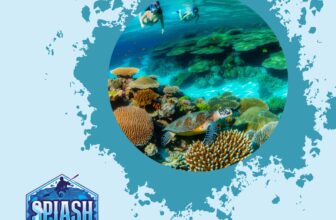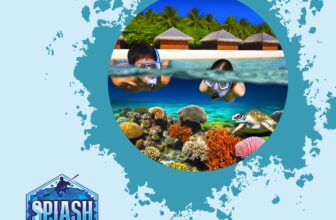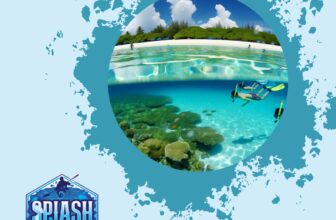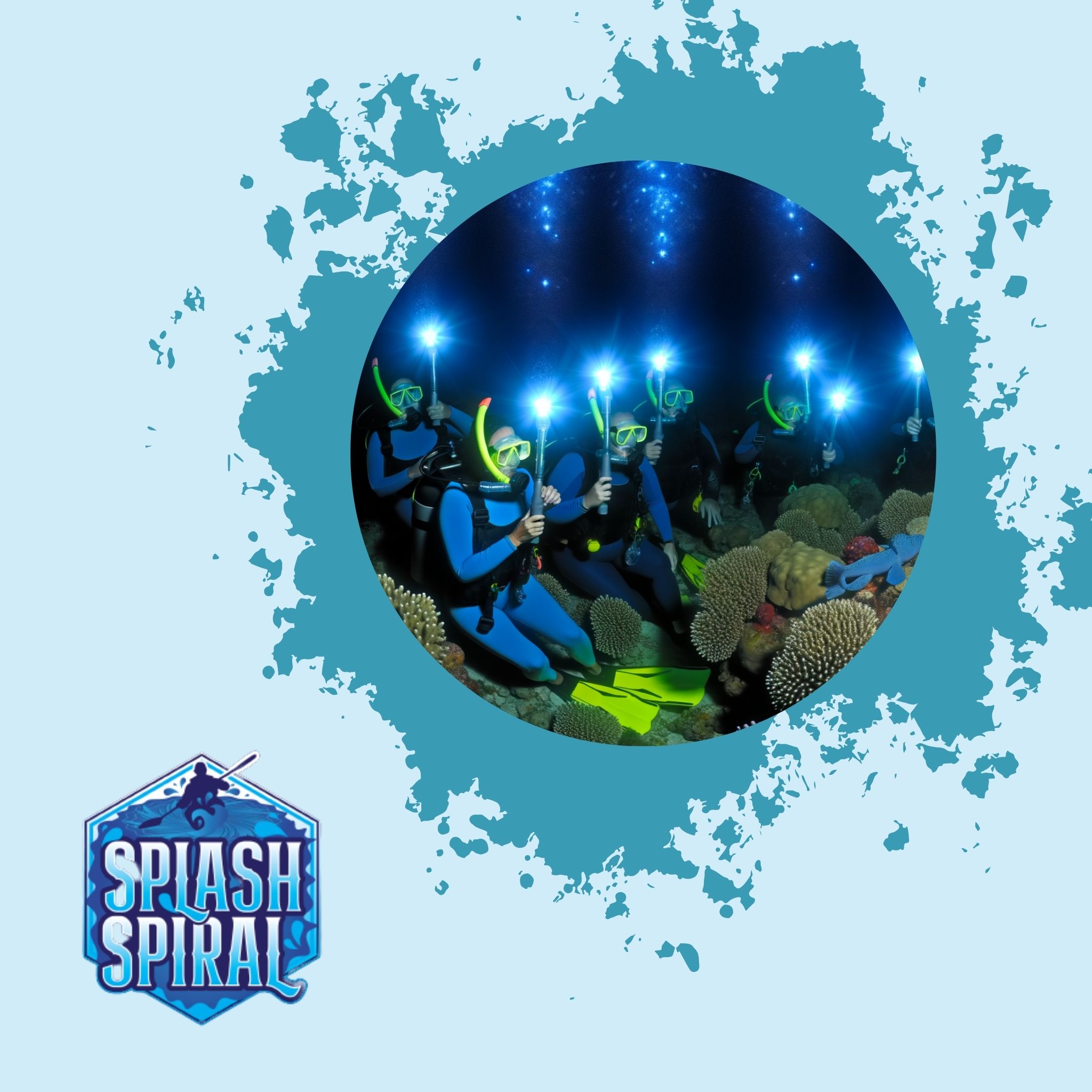
Dreaming of gliding over clear waters and encountering exotic marine life? Look no further than French Polynesia. This destination embodies every snorkeler's paradise with its pristine reefs and vibrant coral gardens. Dive in as we guide you through everything you need to know about snorkeling in this South Pacific gem.
Why Snorkeling in French Polynesia?
Snorkeling in French Polynesia is like stepping into a living aquarium. Here, you'll find some of the clearest and warmest waters on the planet, making it an ideal spot for both beginners and experienced snorkelers.
-
Perfect Climate: The tropical climate of French Polynesia ensures you can enjoy snorkeling almost any time of the year. The water temperature remains invitingly warm, typically ranging from 77°F to 83°F, no matter when you visit. This makes it unnecessary to drag along bulky wetsuits, cutting down on your equipment checklist and letting you focus on the fun.
-
Rich Marine Life: When snorkeling in these waters, you'll be greeted by an incredible variety of marine life. Think neon-colored fish darting in and out of coral crevices, playfully curious sea turtles, and perhaps even the unexpected appearance of a manta ray gliding gracefully beneath you. The biodiversity is so rich that each snorkeling session feels like a new adventure.
-
Accessible Spots: One of the greatest advantages of snorkeling in French Polynesia is the accessibility of its stunning spots. Whether you are staying on a resort island or exploring more secluded areas, there are numerous beginner-friendly sites easily reached by a short boat ride or even directly from the shore. This ease of access means more time in the water and less time traveling.
So, if you're looking to combine your vacation with an unforgettable underwater experience, French Polynesia should be at the top of your list. The mix of perfect climate, diverse marine life, and easy-to-reach snorkeling spots ensures that even first-timers will have a smooth and enjoyable experience.
Key Snorkeling Spots in French Polynesia
Bora Bora
- Overview: Known for luxury resorts and crystal-clear lagoons.
- Highlights: Coral gardens teeming with life, easy access from resorts.
- Best Time to Visit: May to October for calm seas and excellent visibility.
Moorea
- Overview: Famous for its dramatic landscapes and rich marine biodiversity.
- Highlights: Snorkeling with sharks and rays in the lagoon.
- Best Time to Visit: April to November.
Tahaa
- Overview: Less crowded but equally mesmerizing.
- Highlights: Coral reefs and colorful fish near the Coral Garden.
- Best Time to Visit: Year-round, with peak visibility from June to August.
Rangiroa
- Overview: One of the largest atolls, featuring unique underwater landscapes.
- Highlights: Deep drift snorkeling in the Tiputa and Avatoru passes.
- Best Time to Visit: May to October.
Fakarava
- Overview: A UNESCO Biosphere Reserve.
- Highlights: Sharks and untouched coral formations.
- Best Time to Visit: April to November.
These key snorkeling spots in French Polynesia are not just about the underwater beauty; they are destinations that promise an unforgettable experience for every level of snorkeler. Each spot offers its own unique charm and an array of marine life that makes every dip into the water a new adventure. Remember, the best time to visit these spots often aligns with seasons of calm seas and excellent visibility, ensuring you get the most out of your snorkeling ventures. Whether you’re looking to explore vibrant coral gardens, encounter sharks, or simply enjoy the serene lagoons, French Polynesia has something for everyone. So, pick a spot, gear up, and dive into one of the most mesmerizing underwater worlds on the planet.
Essential Gear for Snorkeling
Before you plunge into the turquoise waters of French Polynesia, you'll want to gear up with some essentials to ensure a smooth and enjoyable snorkeling experience. Here’s what you need:
Mask and Snorkel
Your mask is your window to the underwater world, so make sure it fits snugly and doesn't fog up easily. Look for features such as:
- Snug fit to prevent water leakage
- Anti-fog coating for clear vision
Your snorkel should offer:
- Splash guard to keep water out
- Purge valve for easy breathing
Fins
Fins serve as your underwater propulsion system. Consider the following:
- Short fins for beginners: These provide control and easy maneuverability.
- Comfortable fit to avoid blisters, ensuring a pleasant experience.
Reef-Safe Sunscreen
Protecting yourself from the sun is crucial, but it's equally important to choose a sunscreen that isn't harmful to marine life. Opt for:
- Reef-safe formulations that are free from chemicals like oxybenzone and octinoxate, which can damage coral reefs.
Snorkeling Vest
A snorkeling vest can be a lifesaver, especially for beginners:
- Added buoyancy helps you stay afloat effortlessly.
- Confidence booster for those who might feel anxious in deeper waters.
By having the right equipment, you'll be well-prepared to explore the vibrant marine life of French Polynesia with confidence and ease. Happy snorkeling!
Tips for a Great Snorkeling Experience
1. Check Local Conditions
Before you even set foot in the water, make sure to consult local weather and sea conditions. High winds or strong currents can make snorkeling dangerous or less enjoyable. Local guides or resort staff can provide valuable insights on the best times and places to snorkel.
2. Practice First
If you're new to snorkeling, take some time to get comfortable with your gear. Try it out in a pool or in shallow, calm water. Practice breathing through your snorkel and getting used to the mask. This way, you can focus on enjoying the underwater scenery instead of fiddling with your equipment.
3. Stay Calm
It's easy to get excited when you see a school of colorful fish or a graceful sea turtle, but remember to keep your movements slow and controlled. Rapid movements can stir up sediment, making the water cloudy, and will tire you out faster. Stay relaxed to conserve energy and make the most of your snorkeling adventure.
4. Respect Marine Life
French Polynesia's underwater ecosystems are delicate and must be treated with care. Observe marine life from a distance without touching. Avoid standing on or kicking coral, as it's fragile and takes a long time to grow. Remember, you're a visitor in their habitat—leave it as you found it so others can enjoy it too.
By following these simple tips, you'll not only enhance your own snorkeling experience but also contribute to the preservation of these stunning marine environments. Happy snorkeling!
Conservation and Preservation
Ensuring that the vibrant underwater landscapes of French Polynesia remain pristine is crucial. Here are ways you can contribute to conservation and preservation efforts:
Marine Protections
Many snorkeling sites in French Polynesia are part of marine protected areas (MPAs) designed to safeguard the region’s coral sanctuaries and diverse marine life. Observing the restrictions set by these MPAs is vital for keeping the underwater ecosystem healthy.
- Respect Restrictions: Avoid fishing, collecting coral, or disturbing the seabed in these areas.
- Follow Regulations: Comply with any rules or guidelines specific to the MPAs you visit.
Responsible Snorkeling
Your actions as a snorkeler can have a significant impact on the underwater world. Follow local regulations and guidelines to minimize your footprint.
- Avoid Contact: Do not touch or stand on coral reefs; even slight contact can cause damage.
- Maintain Distance: Keep a safe distance from marine animals to avoid stress or harm to them.
- Respect Local Guidelines: Stay informed about and adhere to any specific regional snorkeling guidelines.
Collective Effort
By adhering to these practices, you'll contribute to the continued health and beauty of French Polynesia's coral reefs and marine habitats, ensuring they can be enjoyed by future generations. Conservation is a collective effort, and every snorkeler has a role to play.
Additional Resources
For those eager to dive deeper into the world of snorkeling, we've compiled a list of helpful resources that can broaden your knowledge and inspire your next adventure:
Destination Guides
-
"Honduras Snorkeling Sites: Explore Pristine Coral Reefs and Colorful Sea Life"
- A guide to the stunning underwater landscapes of Honduras, perfect for adventurers looking to explore beyond French Polynesia.
-
"Snorkeling in Costa Rica: Where Rainforests Meet the Sea"
- Discover the unique blend of jungle and sea life, offering a different but equally mesmerizing snorkeling experience.
Snorkeling Tips
- "General Snorkeling Tips"
- Essential advice for beginners, covering everything from choosing the right gear to mastering basic techniques.
Comprehensive Guides
- "Diving and Snorkeling Guides"
- Comprehensive guides for various global destinations, ensuring you're well-prepared no matter where you decide to snorkel next.
These resources will help you expand your snorkeling horizons and ensure you're always prepared for your next watery adventure. Happy snorkeling!
Conclusion
French Polynesia offers some of the world's best snorkeling experiences. With its turquoise waters and vibrant coral gardens, it provides an underwater adventure like no other.
Key Highlights
- Turquoise Waters: Ideal for a serene adventure.
- Vibrant Coral Gardens: Home to diverse marine life.
Equipped with the right knowledge and gear, even beginners can dive in and explore this aquatic paradise.
Preparation Tips
- Pack Your Snorkel: Essential gear for the experience.
- Practice Fin Kicks: Improves mobility underwater.
Get ready to discover the stunning marine life of French Polynesia. Happy snorkeling!