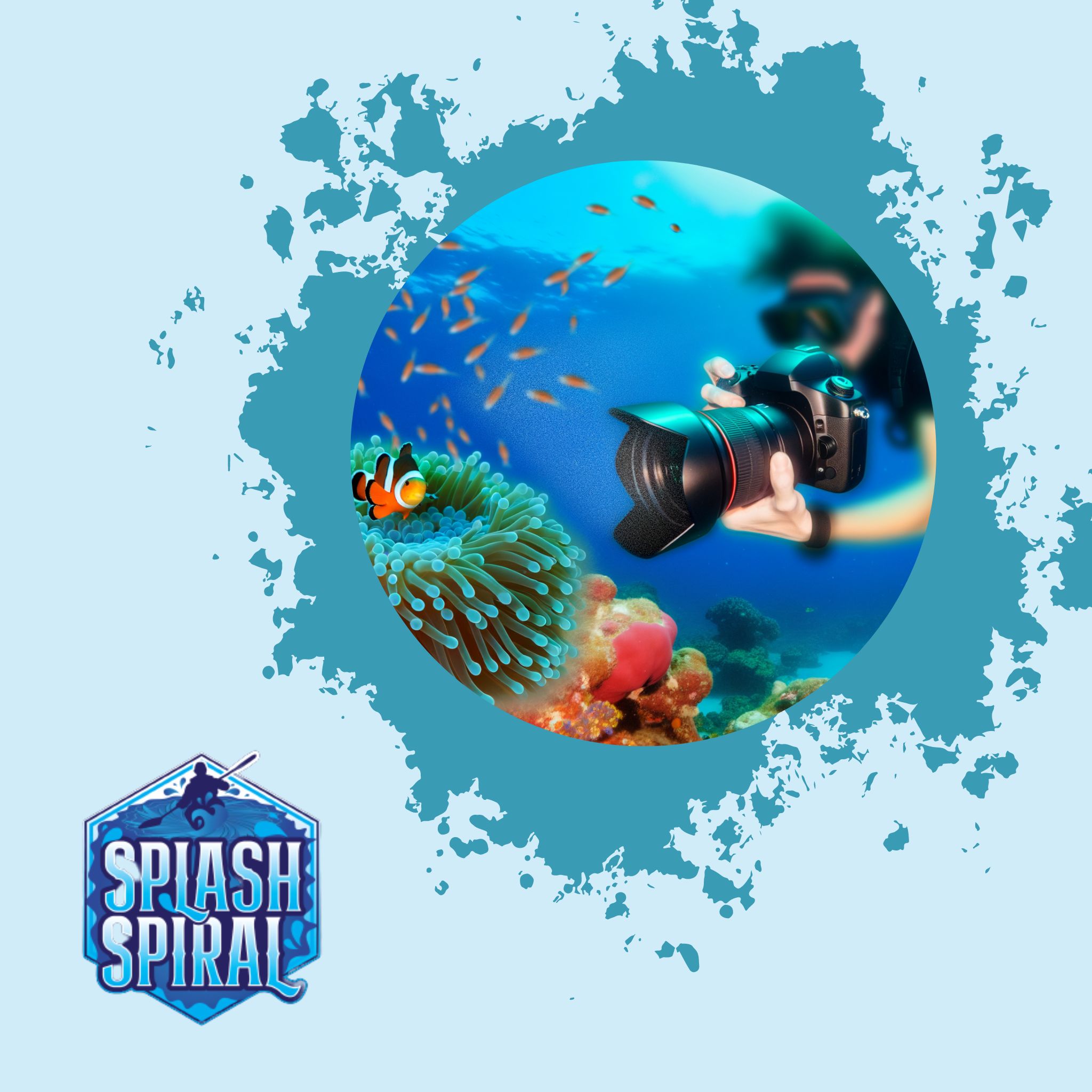
Diving into underwater photography can be both thrilling and challenging. From capturing vibrant coral reefs to the mysterious creatures of the deep, underwater photography offers unique opportunities you won't find on land. However, it also comes with its own set of pitfalls. As a beginner, knowing what not to do can be just as important as knowing what to do. Let's dive into seven common underwater photography mistakes and how you can avoid them.
1. Skipping Proper Gear Preparation
Mistake:
Failing to prepare your underwater gear, including not using a waterproof camera case.
Skipping proper gear preparation can be a costly mistake. You wouldn't want your precious camera to flood on its first dive, would you? The ocean isn't as forgiving as you might think, and the tiniest of oversights can lead to equipment failure. As a beginner, getting this right will save you both money and frustration.
How to Avoid:
-
Double-check Seals: It's crucial to ensure all waterproof seals are intact and functioning before you even think about diving. Check O-rings for any signs of wear, cracks, or debris. A compromised seal is a disaster waiting to happen.
-
Waterproof Camera Case: Investing in a reliable waterproof camera case may seem like a hefty upfront cost, but it’s non-negotiable for serious underwater photographers. Look for cases that offer a snug fit and robust protection. Brands like Nauticam and Ikelite are industry standards for a reason.
-
Pre-Dive Test: Never underestimate the value of a pre-dive test. Submerge your gear in a controlled environment like a pool or bathtub before heading into open water. This step helps ensure everything works as expected and gives you peace of mind.
Preparation is key when you're gearing up for underwater photography. Skipping these steps not only risks your equipment but can also ruin what could be an incredible diving experience. Be thorough, be careful, and you'll be well on your way to capturing stunning underwater shots.
Learn more about camera protection and photography tips here.
2. Overlooking Buoyancy Control
Mistake:
Ignoring buoyancy control, leading to shaky images and disturbed marine life.
How to Avoid:
-
Practice: Get comfortable with your diving equipment to maintain stability. Spend time in controlled environments or shallow waters to perfect your buoyancy before attempting more complex dives. Practice makes perfect, and the more you dive, the more natural buoyancy control will feel.
-
Adjust Weights: Properly balance your weights for better buoyancy. Incorrect weights can wreak havoc on your stability, causing you to float unintentionally or sink too quickly. A well-balanced weight system will allow you to hover effortlessly, making it easier to frame shots and stay steady.
-
Perfect Your Technique: Master buoyancy techniques to keep your camera steady. This includes using your breath to fine-tune your position in the water and maintaining a streamlined posture. Small, controlled movements will help you to stay poised and focused on capturing that perfect shot without disturbing the delicate marine ecosystem around you.
By mastering buoyancy control, you'll not only improve the quality of your underwater photographs but also become a more proficient and respectful diver. Happy diving!
3. Ignoring Lighting Conditions
Mistake
Neglecting the importance of lighting, resulting in dark or poorly lit photos.
How to Avoid
-
Natural Light: Use natural light effectively by diving during optimal times. Early morning and late afternoon dives provide the best natural light, as the sun is at an angle that penetrates the water more effectively.
-
Artificial Light: Bring underwater strobes or flashlights. Investing in a good underwater strobe can fill in the light and colors that the water absorbs, bringing your photos to life.
-
Check Exposure: Regularly check your camera's exposure settings. Utilize the histogram and overexposure warnings on your camera to adjust and get properly lit shots.
Check out more about diving equipment and lighting techniques here.
4. Improper Composition
Mistake:
Not paying attention to composition, leading to unbalanced or chaotic images.
How to Avoid:
-
Rule of Thirds: Underwater scenes can be overwhelming, but applying the rule of thirds can simplify things. Imagine dividing your frame into a grid of nine equal parts. Position your main subject along these lines or their intersections. This technique can make your shots more engaging and balanced.
-
Focus on Subjects: Underwater environments are teeming with life and colors, which can easily make your images look cluttered. Pick a clear subject — whether it's a vibrant fish, a striking coral formation, or an interesting texture on the ocean floor. Make sure this main subject stands out and commands attention in your frame.
-
Avoid Clutter: A messy background can distract from your main subject. Aim to find angles or viewpoints that minimize distractions. Sometimes, all it takes is a small shift in your position to clear away unnecessary elements in your background. Clean backgrounds often lead to more compelling and visually appealing photos.
Mastering these composition basics can dramatically improve your underwater photos. By focusing on the essentials, you’ll better capture the beauty and mystery of the underwater world.
5. Getting too Close (or Staying too Far)
Mistake:
Not maintaining an appropriate distance, either getting too close to marine life or staying too far.
How to Avoid:
- Right Distance: Maintaining the right distance is crucial. Too close, and you risk disturbing marine life or causing stress; too far, and your shots could lose detail and clarity. Finding the sweet spot ensures you capture beautiful yet respectful photos.
- Zoom Lenses: When appropriate, use zoom lenses to get closer to your subject while maintaining a respectful distance. This helps avoid disrupting the underwater ecosystem. High-quality zoom lenses can help you capture intricate details from a distance without sacrificing image quality.
- Respect: Always prioritize the well-being of marine life over getting the “perfect shot.” Avoid chasing or cornering animals, as this can cause unnecessary stress.
Finding the balance of distance means respecting the natural behavior of underwater creatures while still getting those stunning shots you’re after. Remember, a good photographer respects the environment they're capturing.
6. Forgetting Camera Settings
Mistake:
Not optimizing camera settings for underwater conditions.
How to Avoid:
-
Manual Mode: One of the most crucial steps in mastering underwater photography is learning to use your camera in manual mode. Automatic settings often struggle underwater due to varying light conditions. Manual mode gives you complete control over exposure, shutter speed, and ISO settings, allowing you to adapt to underwater nuances more effectively.
-
White Balance: Water absorbs light differently, especially red tones, leading to a bluish or greenish tint in your photos. Adjusting the white balance is essential to correcting these color shifts. Most cameras have a custom white balance setting. Use a white slate or the sand at the bottom as a reference point to calibrate the white balance accurately.
-
Custom Settings: Different underwater scenarios call for different camera settings. For example, shooting macro subjects like small fish or crustaceans requires a higher shutter speed to prevent blur and a narrow aperture for sharper details. On the other hand, wide-angle shots of coral reefs or large marine animals may require different settings. Many cameras allow you to save custom settings, enabling you to switch between modes quickly during your dive.
By staying on top of your camera settings, you'll be better equipped to capture the stunning underwater world with clarity and precision.
7. Skipping Regular Maintenance
Mistake:
Failing to regularly maintain and clean your underwater photography gear.
How to Avoid:
-
Post-Dive Check: After each dive, ensure you rinse your gear with fresh water to remove salt, sand, and other debris. Saltwater is particularly corrosive, and neglecting to clean your equipment can lead to rust and other damage.
-
Annual Service: Schedule an annual service for your gear with a professional. This check-up should include the inspection of O-rings, seals, and other crucial components. A small investment in servicing can prevent costly repairs down the line.
-
Inspect Before Use: Before each dive, conduct a thorough inspection. Check all seals, buttons, and ports for wear and tear. A quick check can save you hours of frustration and prevent damage to your expensive gear.
Keeping your equipment in top condition is a small but vital task to ensure you capture those stunning underwater shots without any unexpected technical difficulties. Following these steps will significantly extend the lifespan of your gear and provide more reliable performance on every dive.
For housing reviews and further tips on how to maintain your equipment, visit this link.
Conclusion
Avoiding these common underwater photography mistakes can greatly enhance your experience and the quality of your shots. Proper preparation, practice, and the right approach can make all the difference. Now, get out there and capture stunning underwater scenes!
Additional Resources
-
For additional tips on underwater photography composition, visit here.
-
For more in-depth techniques and advice, check out this external guide on common underwater photography mistakes.
Happy diving and shooting!