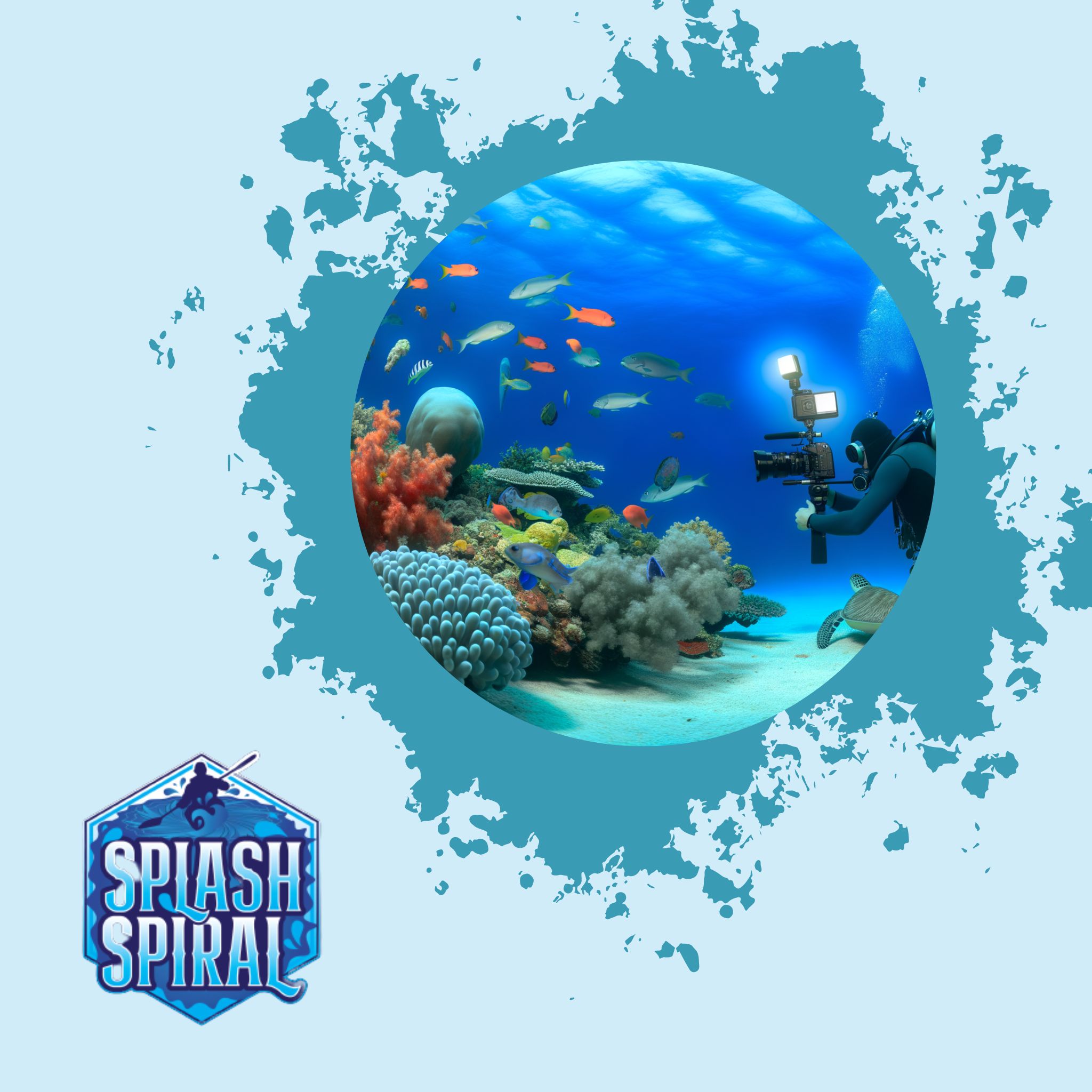
Jumping into underwater photography and videography can be quite the adventure. While capturing the mesmerizing marine life and vibrant coral reefs sounds exhilarating, diving into this niche requires the right skills and knowledge. Thankfully, numerous online courses can help you get started or level up your underwater capturing game. In this guide, we'll walk you through some of the best underwater photography and videography courses available online.
Introduction
Diving into the world of underwater photography and videography is like exploring another planet. The colors, the creatures, the sheer beauty of marine life—all of it beckons the adventurous spirit. But here's the deal: capturing those stunning scenes isn't as simple as pointing your camera and clicking away. The underwater environment presents unique challenges including low light, swirling currents, and the need to keep afloat while managing your gear.
This is where proper training steps in. Without the right skills, your photos could end up blurry, poorly lit, or just plain disappointing. Online courses provide a structured and comprehensive way to gain those essential skills. They cover everything from the basics of camera settings to advanced composition techniques, ensuring you’re well-prepared to take the plunge. So, whether you're a total newbie or someone looking to polish their skills, investing time in a good course can make all the difference.
Why Take an Online Course for Underwater Photography and Videography?
Diving into the world of underwater photography and videography can be both thrilling and intimidating. An online course can bridge the gap between fascination and skill. Here’s why online courses are the optimal route:
Flexibility
One of the standout benefits of online learning is flexibility. You set the pace, ensuring you can balance your new hobby with work, family, or other commitments. This is particularly useful if you have a busy schedule but are eager to learn.
Accessibility
Online courses bring expert knowledge directly to your screen, no matter where you live. Have a question about settings or techniques? Chances are, there's an instructional video or forum ready to help. This accessibility means you can leverage top-tier education without the hassle of travel.
Comprehensive Content
From camera settings to post-production editing, online courses cover it all. Instructors often provide detailed modules that include video tutorials, reading materials, and quizzes to test your knowledge. This holistic approach helps you build a well-rounded skill set, tailored specifically for underwater environments.
So, why wait? The next step of your underwater adventure is just a few clicks away. Immerse yourself in one of these top-notch courses and start capturing the mesmerizing beauty lurking beneath the waves.
Top Underwater Photography Courses <–
1. Bluewater Photo & Video Underwater Photography Course
If you're just getting your feet wet (pun intended) in underwater photography, the Bluewater Photo & Video Underwater Photography Course is a great place to start. This course offers a thorough introduction to the essentials: from the basic principles of underwater shooting to more advanced topics like strobe positioning and manual settings.
- Overview of the Course: Whether you're a newbie with a compact camera or an experienced diver with a DSLR rig, this course covers it all. It starts with the basics, like understanding white balance and buoyancy control, and gradually moves into more complex subjects.
- Key Topics Covered: The course touches on the best practices for choosing and using your gear, understanding lighting underwater, and mastering the techniques for macro and wide-angle shots.
- Why It's Recommended: The Bluewater Photo & Video course is recommended for its comprehensive curriculum and practical approach. The instructional videos and materials are clear, concise, and easy to follow, making it an excellent resource for beginners.
- External Link: For more details, check out BluewaterU.
2. The Art of Wide-Angle Underwater Photography
Wide-angle underwater photography can be particularly challenging, but that's where "The Art of Wide-Angle Underwater Photography" course steps in. This course is tailored for those who want to capture the grandness of underwater landscapes in a way that does justice to their vastness and beauty.
- Overview of What You'll Learn: The course dives deep (literally and figuratively) into wide-angle composition, teaching you how to make the most out of natural light and how to utilize strobes effectively.
- Focus on Wide-Angle Composition: You'll learn the subtleties of composition that are unique to underwater environments—like how to position yourself to include interesting foregrounds and dramatic backgrounds.
- Benefits: By the end of the course, you'll have a solid grasp of how to capture those stunning, vast underwater scenes that take your breath away.
- Internal Link: Curious to know more? Check out The Art of Wide-Angle Underwater Photography: Composition Tips.
3. Avoiding Common Underwater Photography Mistakes
Even seasoned pros have their off days, but this course aims to minimize those mistakes by preparing you with a solid understanding of what not to do.
- Overview of the Course: "Avoiding Common Underwater Photography Mistakes" focuses on the common pitfalls that many beginners face. These mistakes could range from issues with lighting and composition to technical problems with gear.
- Covers Typical Mistakes and Solutions: The course provides actionable solutions to common issues like backscatter, poor lighting, and blurry images, helping you troubleshoot before these issues ruin your perfect shot.
- Benefits: Learning from your own mistakes is valuable, but avoiding them in the first place is even better. This course will optimize your photography efficiency and get you shooting like a pro in no time.
- Internal Link: Check out the handy guide on 7 Common Underwater Photography Mistakes and How to Avoid Them.
These courses are a great way to dip your toes into the world of underwater photography. Whether you're just starting out or looking to refine your skills, there's something here for everyone. So, grab your gear, dive in, and start capturing the wonders beneath the waves.
Essential Underwater Videography Courses
1. Underwater Videography Basics
If you’re new to this field, the Underwater Videography Basics course is your go-to starting point. This course covers essential video shooting tips tailored for the underwater environment. You'll learn the fundamentals, such as camera settings, shot composition, and how to maintain stability while diving. These foundational skills are crucial for capturing clear and engaging footage beneath the waves. Whether you aspire to document your scuba adventures or share the wonders of marine life with others, this course equips beginners with the necessary skills to get started confidently.
2. Advanced Marine Videography Techniques
Once you have grasped the basics, it's time to take your underwater videography to the next level with the Advanced Marine Videography Techniques course. This program delves into more intricate aspects of capturing underwater videos, offering detailed insights into subjects like slow-motion filming, advanced editing, and using drones for marine videography. The benefits? You'll be able to produce high-quality, cinematic videos that stand out. Plus, with a focus on storytelling, this course helps you convey compelling underwater narratives through your footage.
3. Videography Lighting Essentials
Lighting underwater is a completely different ball game compared to above the surface. The Videography Lighting Essentials course is designed to teach you how to work with the unique lighting challenges posed by the underwater world. Learn about the importance of color correction, different types of lighting equipment, and techniques to achieve the best lighting setup for various underwater environments. This course is packed with tips and tricks to ensure your footage captures the vibrant colors and details of marine life, giving your videos a professional touch.
Gear Recommendations for Underwater Photography and Videography
Investing in the right gear is crucial for underwater photography and videography. From cameras to lighting equipment, selecting the appropriate tools can dramatically impact the quality of your underwater shots and footage. Here's a breakdown of essential equipment to get you started and ensure your setup is reliable and effective.
1. Best Underwater Video Gear
When it comes to underwater video gear, the market offers numerous options, which can be overwhelming for beginners. Here’s a guide to help you choose wisely:
Cameras:
- GoPro Hero Series: Compact, waterproof, and known for excellent video quality, these are perfect for beginners.
- Sony RX100 VII: Ideal for those willing to invest a bit more, offering superior image and video quality in a compact design.
Housings:
- SeaLife SportDiver: Compatible with most smartphones, an economical choice for beginners.
- Nauticam Housings: High-quality, professional housings that provide robust protection and feature access.
Lighting:
- SeaLife Sea Dragon: User-friendly, powerful lights that come in various models suitable for both beginners and advanced users.
- Bigblue Dive Lights: Offers a wide range of options, from budget-friendly to high-end.
Accessories:
- Tray and Arms: Essential for stability and maneuverability underwater. Brands like Fantasea offer versatile and durable options.
- Filters and Lenses: Enhance your shots with color correction filters and wide-angle or macro lenses for close-ups and broader scenes.
2. Equipment Maintenance Tips
Proper maintenance of your underwater photography and videography gear ensures longevity and optimal performance. Here are some essential tips:
Rinsing and Drying:
- Always rinse your gear with fresh water after every dive to remove salt, sand, and other debris.
- Allow the gear to dry thoroughly before storing it to prevent mold and corrosion.
Storage:
- Store your equipment in a cool, dry place. Avoid direct sunlight and high humidity areas.
- Use padded bags or hard cases to protect cameras, housings, and lights during transportation.
O-Ring Care:
- Regularly inspect and lubricate O-rings to maintain their integrity and prevent leaks.
- Replace any damaged or worn O-rings promptly to avoid water damage.
Battery Management:
- Fully charge batteries before dives and carry spares if possible.
- Remove batteries after diving to prevent leakage and corrosion.
By investing in the right gear and maintaining it properly, you can ensure consistent, high-quality results in your underwater photography and videography endeavors. This setup will serve you well as you embark on capturing the enchanting underwater world.
Practical Filming Underwater Tips
1. Filming Techniques
Filming underwater presents its own set of unique challenges and requires a slightly different approach than filming on land. Here are some essential techniques to ensure your footage comes out crisp and engaging:
-
Maintain Stability: Use a wide stance and keep your movements slow and deliberate. Sudden movements can cause your footage to be shaky and difficult to watch. Consider using a stabilizing rig or mount specifically designed for underwater use.
-
Get Close: Water reduces clarity and saturates colors the further your subject is from the camera. To capture vivid and sharp images, get as close as possible while maintaining a respectful distance from marine life.
-
Mind Your Buoyancy: Good buoyancy control is critical. Practicing neutral buoyancy to stay level can help in maintaining a smooth shot and prevent disturbing the underwater environment.
- Use Natural Light: If you're diving shallow, try to shoot with the sun behind you to leverage natural light. For deeper dives, artificial lighting will be necessary to bring out the true colors and details.
2. Editing and Post-Production
Once you've captured your underwater footage, the next step is transforming it into a polished final product. Here are a few post-production tips to elevate your underwater videos:
-
Color Correction: Water absorbs light and color, causing footage to often look blue or green. Use editing software to adjust color balance, bringing back the reds and enhancing overall color fidelity.
-
Stabilize Your Clips: Even with careful filming, some stabilization might still be needed. Use the stabilization tools available in your editing software to smooth out any residual shakiness.
-
Trim and Organize: Cutting out unnecessary footage helps keep your video concise and engaging. Organize your clips to tell a story or follow a logical sequence, making it easier for viewers to follow along.
-
Add Music and Sound Effects: Background music and natural underwater sounds can add an immersive feel to your video. Make sure your choices complement the footage and enhance the viewing experience.
-
Use Appropriate Software: Popular software options like Adobe Premiere Pro, Final Cut Pro, and DaVinci Resolve offer robust tools for underwater video editing. These programs provide advanced color correction, stabilization, and editing features ideal for fine-tuning your underwater footage.
With these filming and post-production techniques, you're well on your way to producing stunning underwater videos. Practice these tips regularly, and you'll soon see a marked improvement in the quality and impact of your underwater videography.
Combining Skills: Photography and Videography in Diving
Integrated Courses
When just starting out, it might seem overwhelming to juggle both photography and videography underwater. However, integrated courses can streamline this learning process by teaching both sets of skills simultaneously. These courses focus on the synergy between capturing stills and recording motion, providing a more comprehensive understanding of underwater documentation.
Benefits of Integrated Courses
The brilliance of integrated courses lies in their dual nature:
- Comprehensive Approach: Learn how to take breathtaking photos while mastering the nuances of videography in a single package.
- Efficiency: Save time by learning both disciplines together, ensuring you are better prepared for real-world diving adventures.
- Complementary Skills: Maximize your time underwater by shooting stunning videos and capturing high-resolution photos during the same dive.
Imagine This Scenario:
- On the Dive: You're filming a school of fish.
- Switch Settings: With a quick adjustment to your camera, you capture a high-resolution photo of a rare sea creature.
- Result: You come away with both amazing footage and incredible still images from a single dive.
Recommended Integrated Courses
1. "Photography & Videography Masterclass by Scuba Guru"
- Introductory lessons perfect for beginners, covering basic camera settings to advanced techniques.
- Practical knowledge on composing shots and films under various lighting conditions underwater.
- Explore the Course
2. "Underwater Dual Skill Training Program"
- Focuses on developing a keen eye for detail in both still and moving images.
- Live sessions and hands-on assignments ensure a highly interactive learning experience.
- Explore the Course
Exploring these integrated courses can elevate your underwater experience from good to exceptional, turning ordinary dives into extraordinary visual stories.
Encouraging Continuous Learning and Practice
Diving into underwater photography and videography isn't a one-time endeavor; it's a journey that thrives on continuous learning and practice. With the rapid advancements in technology and techniques, staying stagnant can leave you lagging behind.
First off, practice is your best teacher. Regularly immersing yourself in underwater shoots helps you get comfortable with your equipment and refine your skills. The underwater environment is unpredictable, and the more time you spend in it, the better you'll become at adapting to different conditions.
Additionally, the world of underwater photography and videography is always evolving. Online forums, user groups, and social media pages are goldmines for tips, trends, and the latest gear reviews. Subscribing to industry blogs and participating in webinars keeps you informed about new techniques and innovations that could enhance your work.
Updating your gear and software is also crucial. Advances in camera technology and editing software can significantly improve the quality of your work. Regular maintenance of your equipment ensures longevity and reliable performance, preventing potential mishaps during dives.
Finally, consider taking additional specialized courses. Whether it's a new lighting technique or an advanced editing skill, there's always something more to learn. Online platforms frequently update their courses, offering fresh content and perspectives that can rekindle your enthusiasm and broaden your expertise.
Remember, in underwater photography and videography, there’s always another layer to uncover. Keep learning, keep practicing, and you'll continually push the boundaries of what you can capture beneath the waves.
Conclusion
To sum up, taking online courses for underwater photography and videography can be a game-changer for any beginner. These courses offer convenient, flexible learning opportunities, packed with comprehensive content that covers everything from basic techniques to advanced skills. By integrating knowledge acquired from these courses, you'll build confidence and competence in capturing stunning underwater visuals that do justice to the beauty beneath the waves.
Remember, the journey into underwater photography and videography isn't just about hitting the record button—it's about mastering your equipment, understanding your subjects, and continuously refining your skills through practice. The recommended courses are carefully curated to guide you step-by-step, ensuring a smoother transition from beginner to proficient underwater photographer or videographer.
So why wait? Dive into these courses today and start your underwater adventure. The ocean is vast and full of wonders waiting to be captured. With the right training and motivation, you'll be well on your way to sharing awe-inspiring underwater moments with the world. Happy diving, and may your underwater endeavors be ever enriching and rewarding.