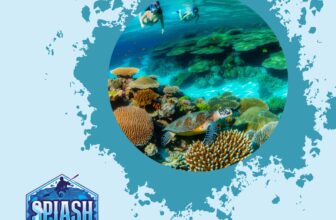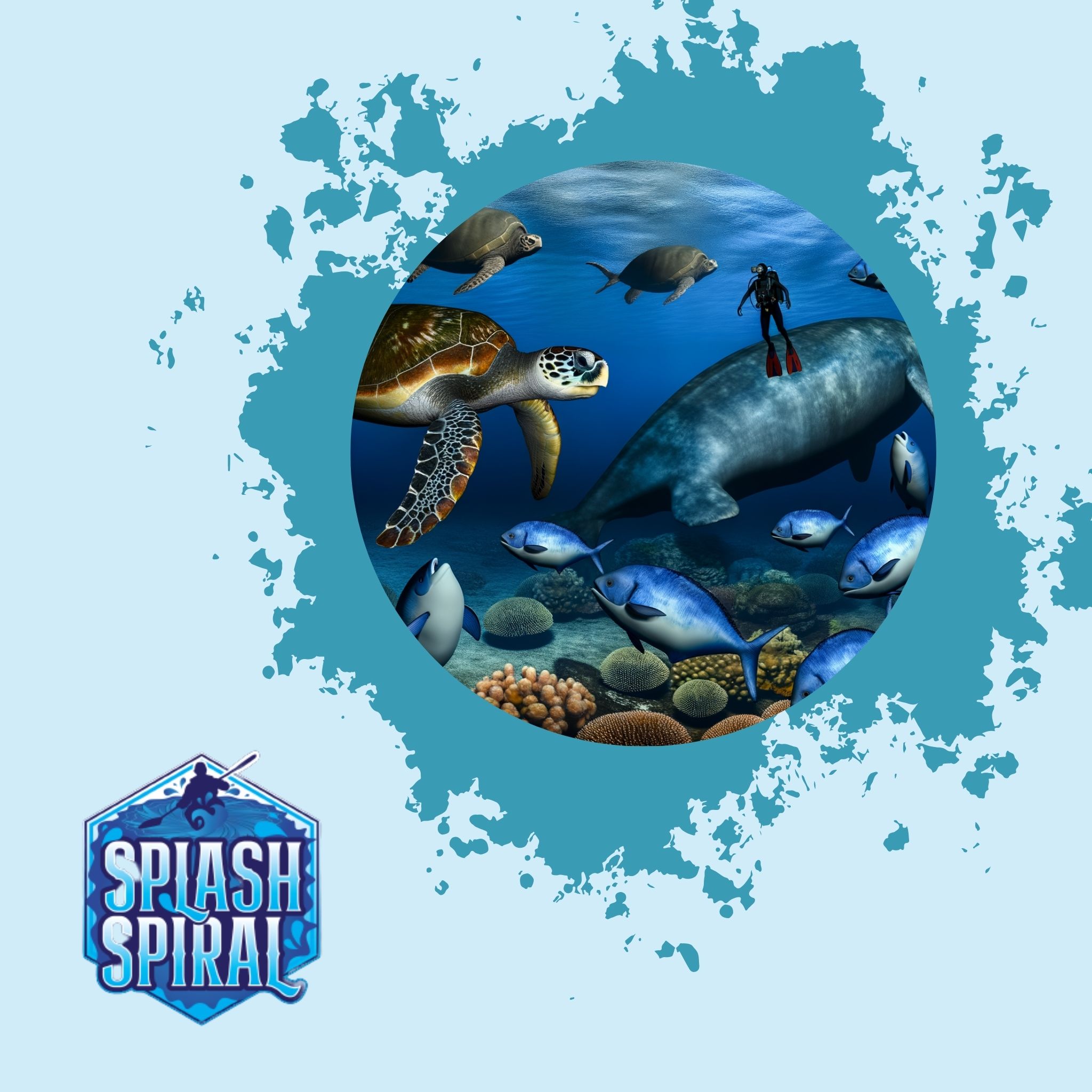
Understanding the marine environment is crucial for divers who genuinely want to make a difference. An important part of that knowledge involves familiarizing yourself with critically endangered marine species. This awareness can drive more informed and responsible diving practices that promote marine conservation.
Introduction
"Critically endangered marine species" refers to animals that face an extremely high risk of extinction in the wild. This designation is determined by the International Union for Conservation of Nature (IUCN) based on factors like population size, rate of decline, and geographic range. Understanding which species are critically endangered and the challenges they face is vital for anyone venturing into their watery habitats.
For divers, awareness is more than just a stat or a list—it's a call to action. Knowing about these species enables you to dive responsibly and take actions that minimize your impact on fragile marine ecosystems. Simple choices, like avoiding physical contact with marine life or not disturbing habitats, can make a significant difference. Awareness helps in making these choices automatically and consciously.
So, whether you are a seasoned diver or just starting, keeping informed about critically endangered marine species is part of what makes you a responsible steward of the ocean. As you explore underwater worlds, make it a priority to dive with care and respect, remembering that every fin kick matters.
The Importance of Marine Conservation
The global state of our oceans is alarming. With pollution, overfishing, and climate change battering marine ecosystems, the urgency for conservation has never been greater. As divers, we're in a unique position to play a significant role in marine conservation. It's not just about what we see underwater; it's about how our actions can influence and protect these fragile environments.
Divers, by the very nature of their sport, already have a connection with the underwater world. This gives us both a responsibility and an opportunity. When we dive, we become witnesses to the striking beauty and also the stark reality of our marine environments. But witnessing isn't enough. We must act.
Every time you adjust your buoyancy to avoid disturbing the seabed, you're practicing conservation. When you choose a dive operator based on their environmental policies, you're supporting sustainable practices. And when you inform yourself about local marine life, you're taking steps to protect it. Small actions collectively make a huge impact.
Our underwater visits should leave nothing but bubbles. Avoid touching coral reefs and marine animals. Be mindful of your fins—one careless kick can break years of coral growth. Pick up marine debris when you see it, and discourage others from littering. These practices might seem simplistic, but they are the building blocks of marine conservation.
Understanding the bigger picture reinforces why these actions matter. The healthier our oceans are, the more resilient they will be against the growing threats they face. As divers, we can advocate for better protection of marine environments, contribute to citizen science projects, and support conservation initiatives both locally and globally.
So next time you descend into the blue, remember: each dive is an opportunity to protect what you love. The ocean relies on us as much as we rely on it, and with mindful diving, we can ensure it continues to thrive for future generations.
What Makes a Species Critically Endangered?
Understanding what makes a species critically endangered is key to identifying and protecting them. The International Union for Conservation of Nature (IUCN) sets the criteria, which include factors like a reduction in population size, restricted geographical range, and observable decline in habitat quality. Essentially, when a species has experienced a population reduction of more than 80%, occupies a very limited area, or is likely to become extinct within a short time without intervention, it is considered critically endangered.
Several factors contribute to a species reaching this dire status. Overfishing, habitat destruction, climate change, and pollution are significant threats. Bycatch, where non-target species get caught in fishing gear, also plays a part. Additionally, illegal wildlife trade puts immense pressure on many marine animals, making their survival even more precarious. Understanding these criteria and contributing factors can help divers take the necessary precautions to avoid adding to these threats during their underwater explorations.
Identification and Behavior of Key Species
1. Vaquita (Phocoena sinus)
The vaquita is one of the most endangered marine mammals globally. It’s a type of porpoise that’s native to the northern part of the Gulf of California. Vaquitas are small, with a distinctive black ring around their eyes and patches on their lips. They are shy and elusive, making them hard to spot. The primary threats to vaquitas are illegal fishing operations and bycatch. Conservation efforts are focused on removing illegal gillnets from their habitat and promoting safer fishing practices.
2. Hawksbill Turtle (Eretmochelys imbricata)
Hawksbill turtles are easily identifiable by their sharp, curving beak-like mouths and beautiful shell patterns. They play a vital role in maintaining the health of coral reefs by feeding on sponges. Divers can often find hawksbill turtles in tropical coral reefs. Endangered primarily due to illegal wildlife trade and habitat loss, they are protected under international conservation laws.
3. Northern Right Whale (Eubalaena glacialis)
Northern right whales are characterized by their robust bodies and lack of a dorsal fin. With a slow swimming speed and tendency to stay near the surface, they are particularly vulnerable to ship strikes and entanglement in fishing gear. These whales can often be seen in the Atlantic Ocean, and responsible whale-watching practices are crucial to avoid disturbing them.
4. Smalltooth Sawfish (Pristis pectinata)
Boasting a long, flat snout edged with sharp teeth, the smalltooth sawfish is notable for its unique appearance. Typically found in shallow coastal waters and river mouths, their populations have dwindled due to habitat loss and entanglement in fishing gear. Divers might encounter them in places like Florida and the Gulf of Mexico.
5. Whale Shark (Rhincodon typus)
The whale shark, the largest fish in the sea, is recognizable by its size and distinct pattern of white spots on a blue-gray body. Despite their enormous size, whale sharks are gentle and pose no threat to humans. They can be found in warm waters and are often spotted near feeding areas rich in plankton. Divers should maintain a respectful distance to avoid stressing these gentle giants.
6. Green Sea Turtle (Chelonia mydas)
Green sea turtles have a smooth, heart-shaped shell and are often seen grazing on seagrass in shallow coastal waters. They get their name from the greenish color of their fat, derived from their herbivorous diet. Conservation efforts focus on protecting nesting sites and reducing bycatch in fishing gear.
7. Bluefin Tuna (Thunnus thynnus)
Bluefin tuna are known for their impressive size and speed, capable of reaching 43 mph. These apex predators play a critical role in marine ecosystems but face severe threats from overfishing. Encountering a bluefin tuna while diving is rare, but possible in the Atlantic and Pacific Oceans.
8. Napoleon Wrasse (Cheilinus undulatus)
Napoleon wrasse are easily recognized by their large, thick lips and the distinctive hump on their forehead. These large reef fish play a crucial role in controlling populations of reef-damaging species. Found in Indo-Pacific reefs, they are threatened by overfishing and habitat destruction.
9. Great Hammerhead Shark (Sphyrna mokarran)
Great hammerhead sharks are unmistakable due to their hammer-shaped heads, which provide enhanced vision and agility. They prefer warm, coastal waters and are often seen alone rather than in schools. Habitat loss and overfishing are significant threats to their survival.
10. Leatherback Sea Turtle (Dermochelys coriacea)
Leatherback sea turtles stand out due to their massive size and unique leathery shell. They feed primarily on jellyfish, playing a crucial role in controlling jellyfish populations. Unfortunately, plastic pollution poses a severe threat as they often mistake plastic bags for jellyfish.
Diving Impacts on Marine Life
- Discuss how diving practices can affect these species.
- Provide practical tips for minimizing impact.
- Internal link: Top Underwater Photography Techniques for Cenotes
Steps Divers Can Take for Marine Conservation
- Follow marine protected area guidelines.
- Participate in coral reef monitoring and species identification projects.
- Internal link: Capturing the Beauty of Kelp Forests: Photography Tips
Conclusion
- Emphasize the importance of awareness and responsible diving.
- Encourage divers to continue learning and actively participate in conservation efforts.
- Final note on the collective power of informed divers in protecting critically endangered marine species.
Diving Impacts on Marine Life
Diving, although a gateway to uncovering the underwater world's wonders, can have unintended repercussions on marine life, especially the critically endangered species. Understanding these impacts is the first step towards more responsible and sustainable diving practices.
Direct Contact
One of the primary concerns is direct contact with marine species. Many of the delicate creatures we admire, like the Hawksbill Turtle and Coral Reefs, can be harmed by a simple touch. Divers should:
- Avoid physical contact whenever possible.
- Maintain a respectful distance to minimize stress on the animals.
Disturbance and Stress
Even without direct touch, our mere presence can cause disturbance. Factors that contribute to this include:
- Fast movements and chasing animals for a better look or photograph.
- Making loud noises underwater.
Such actions can stress marine animals, sometimes causing them to flee their natural habitat. To create a more harmonious interaction with marine life, divers should:
- Move slowly and steadily.
- Avoid loud noises.
Habitat Damage
Accidental actions can cause significant damage to fragile habitats like coral reefs and seagrass beds. Some common causes include:
- Fin kicks.
- Anchor drops.
- Dragging equipment.
To prevent such damage, divers should:
- Be aware of their surroundings.
- Maintain good buoyancy control.
Behavioral Changes
Regular diver interactions can lead to long-term behavioral changes in marine species. For example:
- Feeding fish can alter their natural foraging behavior.
- Fish may become dependent on human food sources, which is unhealthy and unsustainable.
It's crucial to observe marine life without interfering in their natural behaviors.
Practical Tips for Minimizing Impact
Here are some practical tips for divers to minimize their impact on marine life:
- Hover, Don’t Stand: Practice good buoyancy control and avoid standing or resting on the seabed or reefs.
- Use a Reef-Safe Sunscreen: Chemicals in regular sunscreens can harm coral reefs. Choose reef-safe alternatives.
- Respect Marine Life: Observe from a distance, avoid touching or feeding, and never chase marine animals.
- Be Mindful of Your Gear: Secure loose equipment to prevent dragging and accidental contact with marine habitats.
- Follow Local Guidelines: Each dive site may have specific rules to protect marine life. Always follow local guidelines and respect conservation efforts.
- Educate Yourself: The more you know about the species you might encounter, the better you can appreciate and protect them. Research before you dive!
By integrating these practices into your diving routine, you contribute significantly to marine conservation. Each dive becomes an opportunity not just to witness the beauty of the ocean, but to protect its most vulnerable inhabitants.
Steps Divers Can Take for Marine Conservation
Follow Marine Protected Area Guidelines
First and foremost, respect the rules and regulations of Marine Protected Areas (MPAs). These zones are established to conserve marine life and habitats, and adhering to their guidelines is crucial. This means avoiding restricted areas, not touching or removing marine life, and refraining from anchoring on coral reefs. Always be aware of local guidelines before diving to ensure you're not inadvertently causing harm.
Participate in Coral Reef Monitoring and Species Identification Projects
Become an active participant in citizen science initiatives. Programs like Reef Check and Project AWARE accept divers from all skill levels to help track reef health and document species sightings. Your observations can provide valuable data for marine biologists and conservationists. Plus, participating in these projects sharpens your identification skills and deepens your understanding of marine ecosystems.
Internal link: Capturing the Beauty of Kelp Forests: Photography Tips
Practice Eco-Friendly Diving
Adopt diving practices that minimize your environmental footprint. This includes maintaining good buoyancy to avoid kicking up sediments or damaging corals, using reef-safe sunscreen to prevent chemical damage to marine life, and properly securing your gear to avoid accidental entanglement with underwater structures. Additionally, consider using a reef hook in areas with strong currents to prevent unintentional contact with fragile reef systems.
Engage in Beach and Underwater Cleanups
Join or organize cleanups to help remove debris from beaches and dive sites. Debris, especially plastics, is a significant threat to marine life, including many critically endangered species. Removal efforts not only make the environment safer but also raise awareness about the effects of pollution.
Support Sustainable Dive Operators
Choose dive operators who are committed to sustainable practices. Look for certifications or memberships in organizations like Green Fins or the Global Sustainable Tourism Council. These operators typically follow best environmental practices, contributing less to the degradation of marine habitats. Supporting them with your business ensures they can continue their positive impact.
Spread Awareness and Advocate for Marine Conservation
Use your platform, whether it’s social media, a blog, or local community groups, to spread awareness about marine conservation. Share your experiences and educate others on the importance of protecting critically endangered species. Advocacy can also involve supporting or volunteering with marine conservation organizations that work tirelessly to protect our oceans.
By incorporating these steps into your diving routine, you contribute to a larger, collective effort to preserve our marine ecosystems. Every small action helps, and as a diver, you have a unique opportunity to make a significant impact on the underwater world you love to explore.
Conclusion
Awareness and responsible diving are more than just buzzwords—they're essential practices for the survival of our oceans' most vulnerable inhabitants. By understanding the plight of critically endangered marine species, divers can make informed choices that reduce their impact on these fragile ecosystems. Remember, every dive is an opportunity to observe, learn, and contribute to conservation efforts.
Educate Yourself
As you explore underwater worlds, continue to educate yourself about marine life and the challenges they face:
- Participate actively in conservation projects.
- Follow guidelines set for marine protected areas.
- Engage in activities that promote ocean health.
Informed Diving
Informed divers not only enjoy richer, more meaningful diving experiences, but they also become stewards of the ocean, helping to protect and preserve its wonders for future generations.
Make an Impact
So next time you prep your gear and plan your dive, think about the impact you can make. The collective power of environmentally conscious divers is immense, and together, we can turn the tide for critically endangered marine species.
- Dive responsibly,
- Stay informed,
- Be a part of the solution.