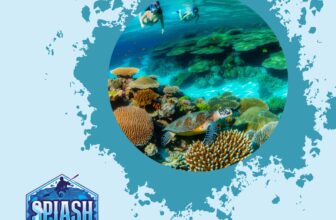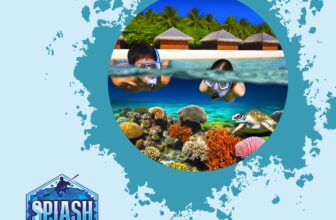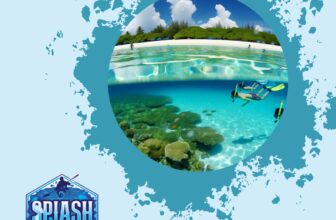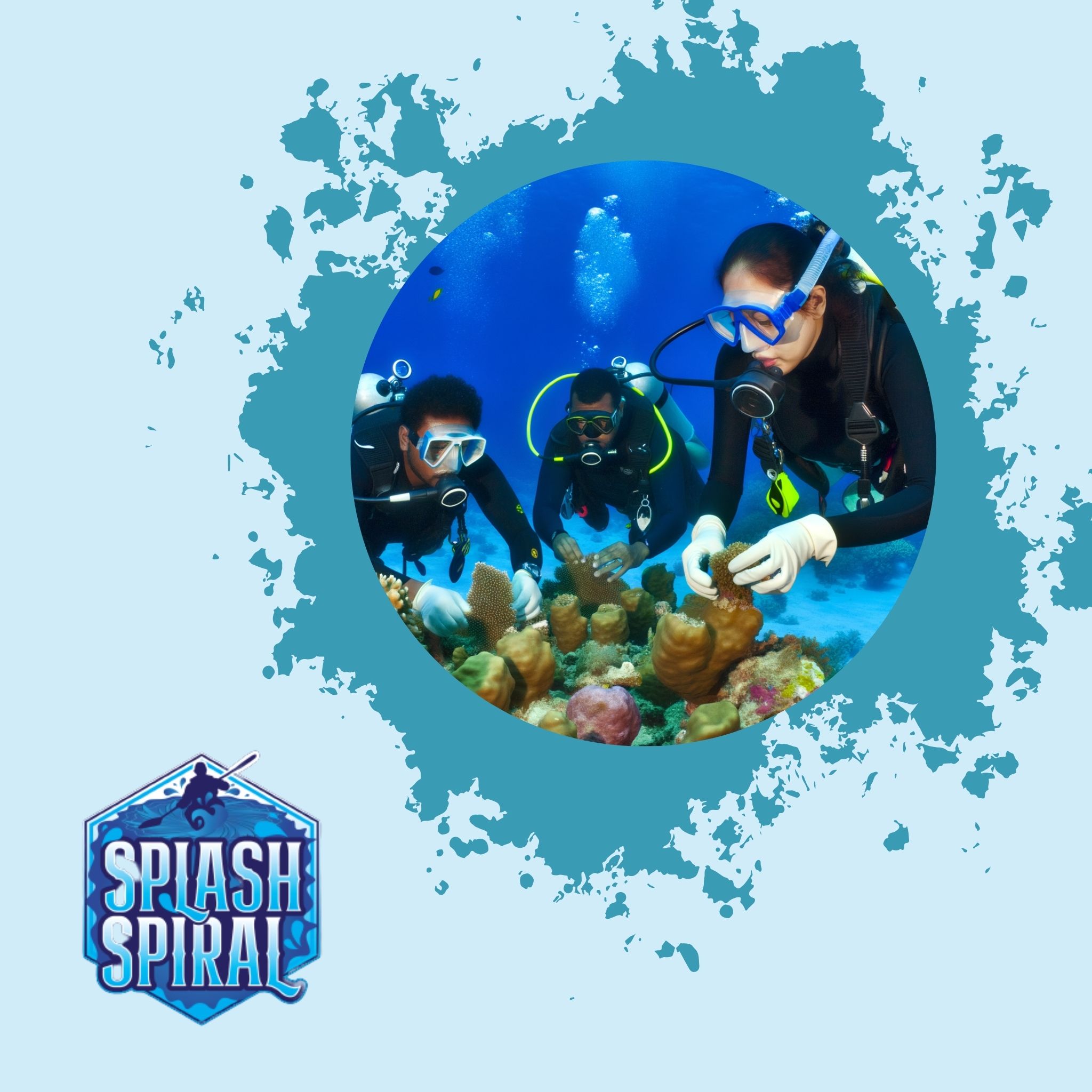
Scuba diving isn't just about exploring the underwater world; it's also about preserving it. With global coral reefs in decline, coral restoration projects offer divers a unique opportunity to contribute meaningfully to marine conservation. For beginners and aspiring divers, understanding coral restoration's impact and learning how to get involved are essential steps toward making a tangible difference.
Introduction
The world's coral reefs are facing an unprecedented crisis. Over the past few decades, these vibrant underwater ecosystems have been under siege, suffering from the combined effects of climate change, pollution, and overfishing. As a result, coral cover has diminished dramatically, threatening the incredible diversity of marine life that depends on healthy reefs for survival.
This is where scuba divers come in. Far from being just spectators in the underwater world, divers have a unique opportunity to become active participants in the fight to save our coral reefs. Coral restoration projects offer a practical and impactful way for divers—especially those new to the sport—to contribute to marine conservation. By getting involved in these initiatives, you'll not only enhance your diving experiences but also help ensure future generations can enjoy the wonders of coral reefs.
Understanding Coral Restoration
What is Coral Restoration?
Coral restoration is the active process of replanting and repairing damaged coral reefs to rejuvenate healthy ecosystems. It's akin to underwater gardening, except instead of vegetables, divers "grow" corals. The goal is simple yet profound: restore the diversity and functionality of reefs, which play crucial roles in marine habitats. To achieve this, techniques like underwater nurseries and direct transplantation are often employed.
Underwater nurseries are essentially coral farms where fragments of coral are cultivated until they are mature enough to be transplanted to degraded reef areas. In direct transplantation, healthy fragments, often broken off by storms or human activities, are carefully attached to reefs using marine-friendly adhesives or other securing methods. Both methods aim to kickstart the natural recovery process of coral ecosystems.
Importance of Coral Restoration
Healthy coral reefs are the lifeblood of marine environments. They serve as habitats for a myriad of marine species, from tiny invertebrates to large fish, and help maintain biodiversity. When coral reefs thrive, so does the complex web of marine life dependent on them. Restoring coral reefs directly aids in the recovery of these intricate ecosystems.
The benefits extend beyond the environment. Economically, coral reefs contribute to fishing, tourism, and coastal protection. Healthy reefs attract divers and tourists, generating revenue for local communities. They also act as natural barriers that mitigate the impact of waves, storms, and coastal erosion, protecting shorelines and human settlements.
Beginners and aspiring divers should understand that participating in coral restoration is more than a diving activity; it's a meaningful way to safeguard both marine life and the economic well-being of coastal regions. Whether you're planting corals or cleaning nurseries, each action helps weave the intricate tapestry of a thriving underwater world.
Getting Started with Coral Restoration for Divers
So, you're pumped to dive in and help save the coral reefs—awesome! Before you grab your mask and fins, there are a few things you need to know to get started with coral restoration.
Required Certifications and Training
First up, you'll need the right certifications. Basic scuba certification like the Open Water Diver from organizations such as PADI or SSI is your starting point. But since coral restoration is a bit more specialized, it's a good idea to go for advanced courses focusing on conservation. Look out for specialty courses in Coral Restoration or Reef Conservation. These courses will teach you specific skills, like handling delicate coral fragments and understanding reef ecosystems.
Finding Coral Restoration Projects
Once you're certified, the next step is to find a coral restoration project. There are several top-notch organizations out there. Initiatives such as Coral Restoration Foundation, Reef Renewal, and Coral Restoration Consortium are excellent places to start. They often have programs that include both training and hands-on restoration work.
And while you're doing your research, don't forget to check out articles on diving and marine volunteering to get more insights on what to expect and how to prepare.
Preparing for Your Dive
Finally, let's talk gear. Your regular scuba kit—mask, fins, wetsuit, and BCD—will serve you well, but you'll need a few extras for coral restoration. Think along the lines of small tools for handling corals, like underwater epoxy and zip ties. You'll also want gloves to protect both your hands and the coral as you work.
Preparation is key, so make sure your gear is in top shape and suited for the environment you'll be diving in. Different reefs have different conditions, so a little research goes a long way in ensuring your dive is both safe and effective for coral restoration.
That’s it! With your certifications in hand, a restoration project lined up, and the right gear, you’re all set to make a tangible difference in the underwater world. Happy diving!
On-site: Participating in Coral Restoration Activities
Collecting and Propagating Coral Fragments
Once you arrive at a restoration site, the first task often involves collecting coral fragments. These fragments, also known as "coral cuttings," can be broken off naturally or manually from healthy donor colonies. Divers are trained to select only robust pieces to ensure the highest chances of survival and growth.
After collection, the fragments are taken to an underwater nursery, a designated area where corals are nurtured until they're ready for transplantation. Here, you'll attach the fragments to structures like PVC pipes or underwater trees, where they can grow under close observation. This phase is crucial as it bolsters the fragments' health and prepares them for life on the reef.
Monitoring and Maintaining Restoration Sites
Monitoring is an ongoing activity that ensures restoration projects are successful in the long run. Expect to frequently visit the sites to check on the corals' health and progress. This includes tasks like cleaning algae off structures, which can otherwise smother young corals, and removing predators like the crown-of-thorns starfish, one of the most notorious coral predators.
Always keep an eye out for any signs of disease or bleaching. By promptly identifying and reporting these issues, you can help the coordinators take swift action.
Data Collection and Reporting
Data collection is vital for the science behind coral restoration. Divers often participate in gathering various data types, including growth rates, mortality rates, and health assessments of the transplanted corals. Tools like calipers and cameras can help measure and record these changes.
This data is then reported back to the project scientists who analyze it to refine their methodologies and improve future restoration efforts. Your contributions here add to a global repository of knowledge, making each dive not just an adventure but a step towards greater scientific understanding.
Observing and Recording Reef Health
Finally, another key activity is observing and recording the overall health of the reef ecosystem. This task isn't just about the transplanted corals but an assessment of the entire environment, from fish populations to the prevalence of algae.
Take underwater photos and videos to capture the current conditions. Learn to identify various marine species and note any significant changes, whether positive or negative. This comprehensive approach helps paint a broader picture of the reef's recovery, making each observation a critical piece of the puzzle in marine conservation.
By actively participating in these on-site activities, beginner divers contribute to invaluable hands-on conservation efforts, making their underwater adventures meaningful and impactful.
Enhancing Your Impact: Beyond the Dive
Community Engagement and Education
Diving into coral restoration is just the start. Once you surface, consider taking your passion another step forward by engaging with local communities. Sharing your experiences can inspire others to get involved and raise awareness about the critical state of our coral reefs. Start small—talk to family and friends, host informal discussions, or participate in local environmental groups.
In addition, consider giving talks or conducting workshops to educate beginners and non-divers on coral conservation. This could be as simple as a presentation at a local school or a more structured community seminar. By spreading the word about the importance of coral restoration, you help build a community that cares about our oceans and becomes eager to take action.
Supporting Coral Restoration Efforts
Your impact doesn't have to stop with direct action underwater. Supporting coral restoration initiatives can take many forms, and every little bit helps. Donations to trusted marine conservation organizations can fund crucial projects and research. If monetary contributions aren't feasible, consider volunteering your time for related activities, such as beach clean-ups or fundraising events.
Social media is another powerful tool at your disposal. Promote coral restoration efforts by sharing your diving experiences and the significance of coral health on platforms like Instagram, Facebook, or TikTok. Use your photos, videos, and stories to educate a broader audience and drive more interest and support.
Remember, every action counts—whether it's a financial contribution, hands-on volunteer work, or simply spreading the word. By stepping up beyond the dive, you magnify your impact and play a vital role in conserving our underwater worlds.
Conclusion
Engaging in coral restoration projects transforms scuba diving from a mere hobby into a meaningful mission. By following the steps and recommendations laid out in this article, you can become an integral part of marine conservation efforts. From getting the necessary training to participating in on-site activities like monitoring and data collection, your contribution will help ensure healthier, more resilient coral reefs for future generations.
If you're ready to dive deeper into conservation, don't hesitate. Start your journey today. Explore the depths, care for our oceans, and become a steward of one of the world's most precious ecosystems.
For more information about diving and how to get involved in conservation efforts, check out these resources:
- Top Underwater Photography Techniques for Cenotes
- 10 Critically Endangered Marine Species: What Divers Should Know
- Diving
By taking part in coral restoration projects, scuba divers not only enrich their diving experience but also play a crucial role in preserving our planet's marine biodiversity.