- Overview
- Understanding Coral Bleaching
- The Impact of Coral Bleaching on Dive Sites
- Ocean Warming and Its Role
- Marine Conservation and Diver Awareness
- Conclusion
Overview
Coral reefs are vital ecosystems teeming with marine life. However, these underwater habitats are under significant threat due to coral bleaching. This post aims to break down what coral bleaching is, understand its effects on dive sites, and highlight the importance of marine conservation.
We'll explore the causes behind coral bleaching and how it impacts biodiversity and diving tourism. The role of ocean warming in this phenomenon and steps divers can take to minimize their impact will also be covered. Whether you're a beginner diver or someone looking to dive into this exciting activity, this guide will provide you with essential knowledge to help protect these underwater wonders.
Understanding Coral Bleaching
What is Coral Bleaching?
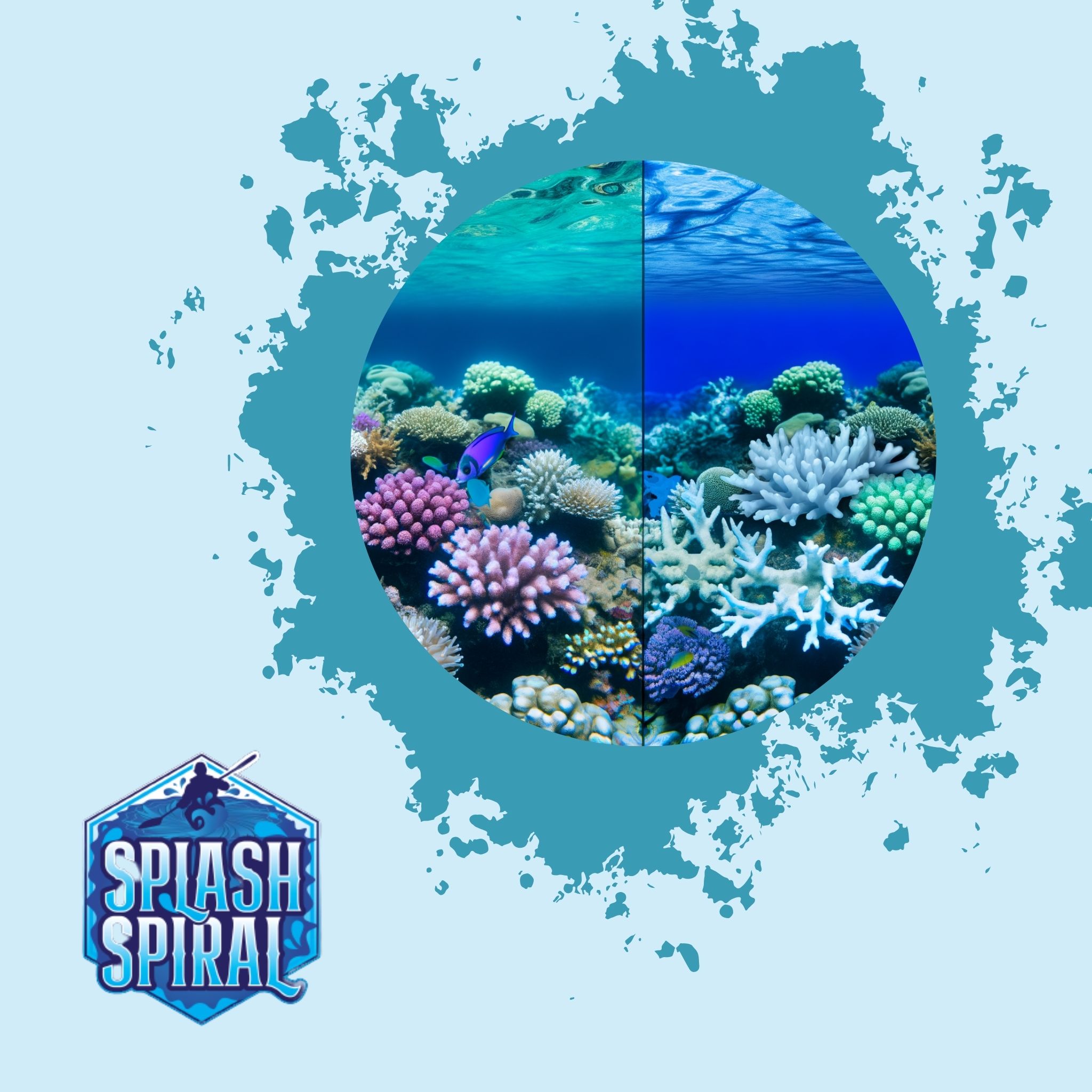
Coral bleaching occurs when corals lose their vibrant colors, turning white. This happens when corals expel the algae (zooxanthellae) living in their tissues, typically due to stress.
Causes of Coral Bleaching
- Temperature Changes: Primarily, increases in sea temperature.
- Pollution: Run-off from land carrying pollutants.
- Overexposure to Sunlight: Excessive UV radiation.
- Ocean Acidification: Increased CO2 levels make the ocean more acidic.
The Impact of Coral Bleaching on Dive Sites
Coral bleaching has a profound effect on dive sites, altering both the underwater landscapes and the experiences of divers. This section will detail the effects on biodiversity and diving tourism, giving beginner divers a clear understanding of why this issue matters.
Effects on Biodiversity
When corals bleach, the entire reef ecosystem suffers. Healthy corals are like bustling underwater cities, supporting a diverse array of marine life, ranging from fish and crustaceans to sea turtles and sharks. In the unfortunate event of coral bleaching, this intricate web of life gets disrupted.
Loss of color in corals essentially means a loss of habitat. Fish and other marine creatures rely on vibrant, healthy corals for food, shelter, and breeding grounds. As the corals die or become stressed, the species that depend on them either leave in search of new habitats or perish. For a diver, this translates to fewer sightings of various marine species, reducing the richness and excitement of the experience.
Impact on Diving Tourism
Diving tourism is a significant economic driver for many coastal communities. Pristine coral reefs attract divers from all over the world, drawn by the promise of adventurous exploration and stunning underwater vistas. However, as coral bleaching becomes more widespread, the allure of these dive sites diminishes.
Bleached reefs often look lifeless and barren. Gone are the vibrant colors and bustling marine life that make the dive memorable. This aesthetic and biological loss leads to a decline in tourist arrivals. Reduced tourism means less income for local businesses, from dive shops and instructors to hotels and restaurants. For divers looking to start their underwater journey, this scenario inevitably impacts their choices of diving destinations and the overall quality of their diving adventures.
Understanding these impacts underscores the importance of protecting our coral reefs. By being informed and responsible divers, we can help preserve these precious ecosystems for the enjoyment of future generations.
Ocean Warming and Its Role
Causes of Ocean Warming
Ocean warming is primarily driven by climate change, which is significantly influenced by human activities such as:
- Burning fossil fuels,
- Deforestation.
As greenhouse gases, such as carbon dioxide (CO2), are released into the atmosphere, they trap heat, leading to global warming. This not only raises air temperatures but also increases sea temperatures.
Impact on Coral Reefs
Coral Stress and Bleaching
Warm water temperatures are a major stressor for corals. Here’s how it affects them:
- Temperature Sensitivity: Corals thrive in a narrow temperature range, but even slight increases can cause stress.
- Algae Expulsion: Stress causes corals to expel the symbiotic algae living in their tissues. These algae provide corals with both their color and the majority of their energy through photosynthesis.
Without these algae:
- Coral Bleaching: Corals turn white, or bleach.
- Increased Vulnerability: Corals are left weakened and more susceptible to disease.
Rapid and Sustained Damage
This process can occur rapidly, with entire reef systems potentially experiencing bleaching events within a few weeks of temperature spikes. Moreover, sustained warming makes it difficult for coral reefs to recover between bleaching events, leading to long-term degradation of these biodiverse ecosystems.
Importance for Divers
Understanding the link between ocean warming and coral bleaching is crucial for divers because:
- Climate Awareness: It highlights the importance of reducing our carbon footprint.
- Advocacy: Divers can advocate for global measures that tackle climate change.
- Adaptation: Recognizing signs of coral stress helps divers adapt their behaviors underwater to minimize further harm.
Marine Conservation and Diver Awareness
Why Diver Awareness Matters
Divers play a pivotal role in marine conservation. When you dive, you're not just an observer but also a participant in the marine environment. Knowing about coral health and taking action to protect it can make a significant difference. In essence, informed divers become stewards of the seas, helping to safeguard these delicate ecosystems for future generations.
Practical Steps Divers Can Take
-
Practice Responsible Diving
- Always be mindful of your buoyancy to avoid accidentally touching or damaging corals.
- Disturbing marine life harms the ecosystem more than you might realize. Keep a respectful distance from both the corals and animals.
-
Eco-Friendlier Choices
- Sunscreens that contain harmful chemicals like oxybenzone and octinoxate can contribute to coral reef damage. Switching to reef-safe sunscreens can significantly reduce this impact.
- Consider using biodegradable products for personal care to minimize pollution.
-
Support Conservation Efforts
- Whether it's through donations or volunteering, getting involved with marine conservation initiatives can amplify your positive impact.
- Organizations often have various programs aimed at protecting coral reefs and supporting marine biodiversity.
Further Reading
For more insights on how divers can contribute to marine conservation, check out our related articles:
By being aware and taking these practical steps, you can help ensure that coral reefs remain vibrant and thriving, creating better diving experiences and contributing to a healthier ocean.
Conclusion
Coral bleaching is a serious issue that affects not only marine life but also the diving experiences we cherish. By understanding the process and its impacts, divers can adopt practices that support coral health and marine conservation. Remember, every little effort counts in preserving these underwater treasures for future generations.
For further reading, consider exploring our articles on scuba diving and general diving topics.