Water is an essential part of our daily lives. It keeps us hydrated, helps with digestion, and assists in a myriad of other bodily functions.
Whether we’re swimming in the pool, scuba diving, taking a shower, or enjoying a day at the beach, water is all around us. However, sometimes water can be unwelcome – like when it gets trapped in our ears.
The Importance of Water in Our Daily Lives:
Water is crucial to our overall health and wellbeing. It makes up over 70% of our bodies and plays a vital role in regulating body temperature, transporting nutrients throughout the body, lubricating joints, and removing waste products from our system.
In addition to its importance for internal bodily functions, water also plays a crucial role in maintaining healthy skin and hair. Drinking enough water can keep skin hydrated and supple while reducing the appearance of wrinkles and fine lines.
The Discomfort of Having Water in Your Ear:
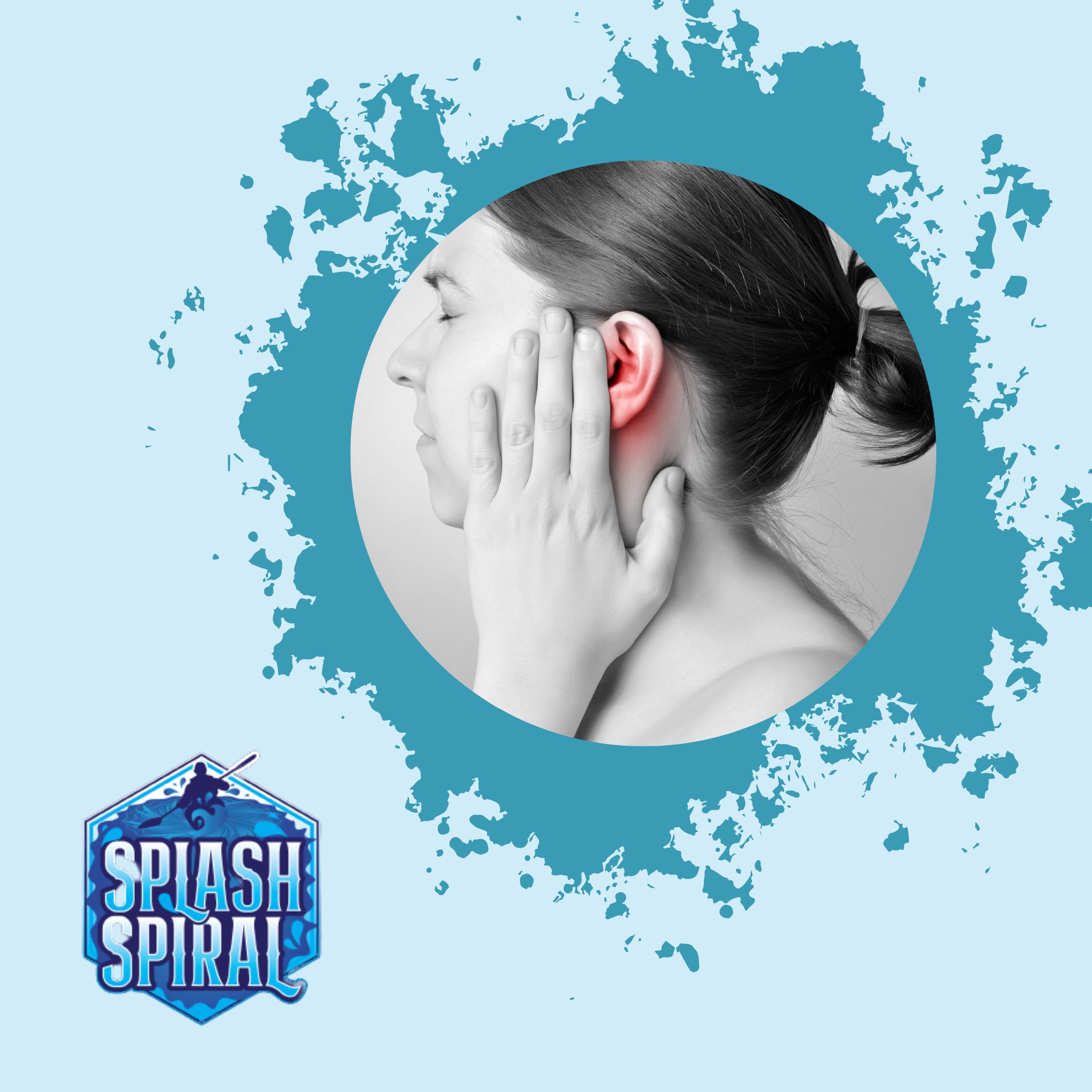
When water gets trapped inside your ear canal, it can be quite uncomfortable. You may experience a feeling of fullness or pressure inside your ear that won’t go away no matter how much you shake your head or tilt it to one side.
In some cases, having water stuck in your ear can cause temporary hearing loss or tinnitus (ringing in the ears). This can be especially frustrating if you need to attend an important meeting or have an important phone call coming up.
An Overview of How Long Water Can Stay in Your Ear:
The length of time that water can stay trapped inside your ear varies from person to person and depends on several factors such as the type of water (e.g., ocean vs. pool), the shape and size of your ear canal, and any underlying medical conditions you might have. In general, most people are able to shake out excess water within a few minutes of getting out of the water.
However, if water remains trapped in your ear for an extended period (i.e., several hours or days), it can lead to ear infections or swimmer’s ear – a painful condition caused by prolonged exposure to moisture in the ear canal. In the following sections, we’ll explore these factors in more detail and provide tips on how to safely remove water from your ears to avoid any complications.
Factors that Affect How Long Water Stays in Your Ear
Type of Water
The type of water that gets into your ear can greatly affect how long it stays there. Saltwater, for instance, is more likely to stay in your ear longer than freshwater.
This is because the salt content in seawater can cause the skin inside your ear to swell and trap the water inside. Chlorinated water, on the other hand, may not stay as long because it can irritate and dry out the lining of your ear canal.
Ear Anatomy
Another factor that affects how long water stays in your ear is anatomy. The shape and size of your ear canal can influence how easily water flows out of it.
If you have a narrow or curved ear canal, then water can get trapped more easily. Additionally, if you have a buildup of wax or other debris in your ear, it can prevent water from draining out naturally.
Activities After Swimming
The activities you engage in after swimming also impact how long water stays in your ear. Activities such as jumping or diving into the pool can force water deeper into your ears while activities like shaking or tilting your head from side to side may encourage drainage by creating pressure changes that help move trapped water out of the canal.
Wearing headphones while swimming is another activity that could prolong having trapped water by keeping moisture locked inside the ears. Understanding these factors will help you determine how to prevent stagnant pools of moisture forming behind eardrum which could lead to an infection few days later if not dealt with soon enough.
Symptoms of Having Water Stuck in Your Ear
Water stuck in the ear can cause numerous symptoms, including hearing loss, discomfort and pain, and dizziness. These symptoms vary depending on the amount of water that gets trapped in your ear, how long it has been there, and other factors. Here are some common symptoms of having water stuck in your ear:
Hearing Loss
One of the most noticeable symptoms of having water stuck in your ear is hearing loss. This can range from mild to severe and may affect one or both ears.
The sound may also seem muffled or distorted due to the presence of water in the ear canal. If you experience sudden or prolonged hearing loss after swimming or being exposed to water, it may be a sign that you have water trapped inside your ear.
Discomfort and Pain
Another symptom of having water stuck in your ear is discomfort and pain. This can range from a mild irritation to intense pain that makes it difficult to concentrate on anything else.
The discomfort may be accompanied by itching or a feeling of fullness inside the affected ear. If left untreated for too long, this discomfort can lead to infection or inflammation.
Dizziness
Feeling dizzy or lightheaded is another symptom that may indicate that you have water trapped inside your ear. This happens because the inner ear plays an important role in balance and equilibrium control, so any disruption caused by excess fluid can cause these sensations. Overall, if you notice any unusual symptoms after being exposed to water such as swimming or taking a shower, it is essential to take action promptly as they could indicate more severe health conditions like infections.
How to Remove Water from Your Ear
Tilt Method
The tilt method is the easiest and most common way to remove water from your ear. Start by tilting the affected ear towards the ground and gently tug at your earlobe.
This will create a vacuum effect that may help drain the water out of your ear. You can also try hopping on one foot while tilting your head to the side, which can create enough pressure to dislodge the water.
Vacuum Method
If the tilt method doesn’t work, try creating a vacuum by cupping your hand over your affected ear and gently pressing it against it. Then, quickly pull your hand away, which should create a suction effect that could help draw out the water. Be careful not to press too hard or insert anything into your ear canal.
Gravity Method
Another way to remove water from your ear is through gravity. Tilt your head so that the affected ear is facing down and use a towel or tissue to absorb any drips that come out of it. Gently shake or tug at your earlobe to encourage any remaining droplets to come out.
When to Seek Medical Attention for Water Stuck in the Ear
Chronic Symptoms or Prolonged Discomfort
If you still feel discomfort after attempting these methods for several hours, contact a healthcare provider as you might have an infection or injury in your inner ear canal.
Infection or Swelling
If you experience pain, swelling, redness around the ears along with hearing loss and discharge of pus-like fluid then contact healthcare professional immediately
Other Health Conditions
Individuals who are prone to swimmer’s ears due weakened immune systems may require additional medical attention. Those suffering from skin conditions such as eczema, psoriasis, dermatitis and other allergies are also at risk of developing swimmer’s ear infections.
Prevention Tips for Avoiding Water Stuck in the Ear
Use Earplugs when Swimming
Earplugs can prevent water from entering the ear canal while swimming, showering or during any other activity that involves exposure to water.
Dry Ears after Swimming
Dry your ears with a towel or a hair dryer on a low setting immediately after swimming or taking a shower. Moisture left behind can promote bacterial growth creating an environment for bacteria breeding.
Avoid Putting Objects into the Ears
Avoid using Q-tips or inserting any objects into your ears. This can push the water deep into your ear canal and cause further problems.
Conclusion
Having water stuck in your ear is not uncommon but it can be incredibly uncomfortable and painful if left untreated. Simple preventative measures like wearing earplugs and drying ears after swimming could save you from experiencing this frustrating condition. If you do find yourself with water stuck in your ear, there are simple methods to remove it at home but if symptoms persist contact healthcare professional immediately to avoid any further complications.