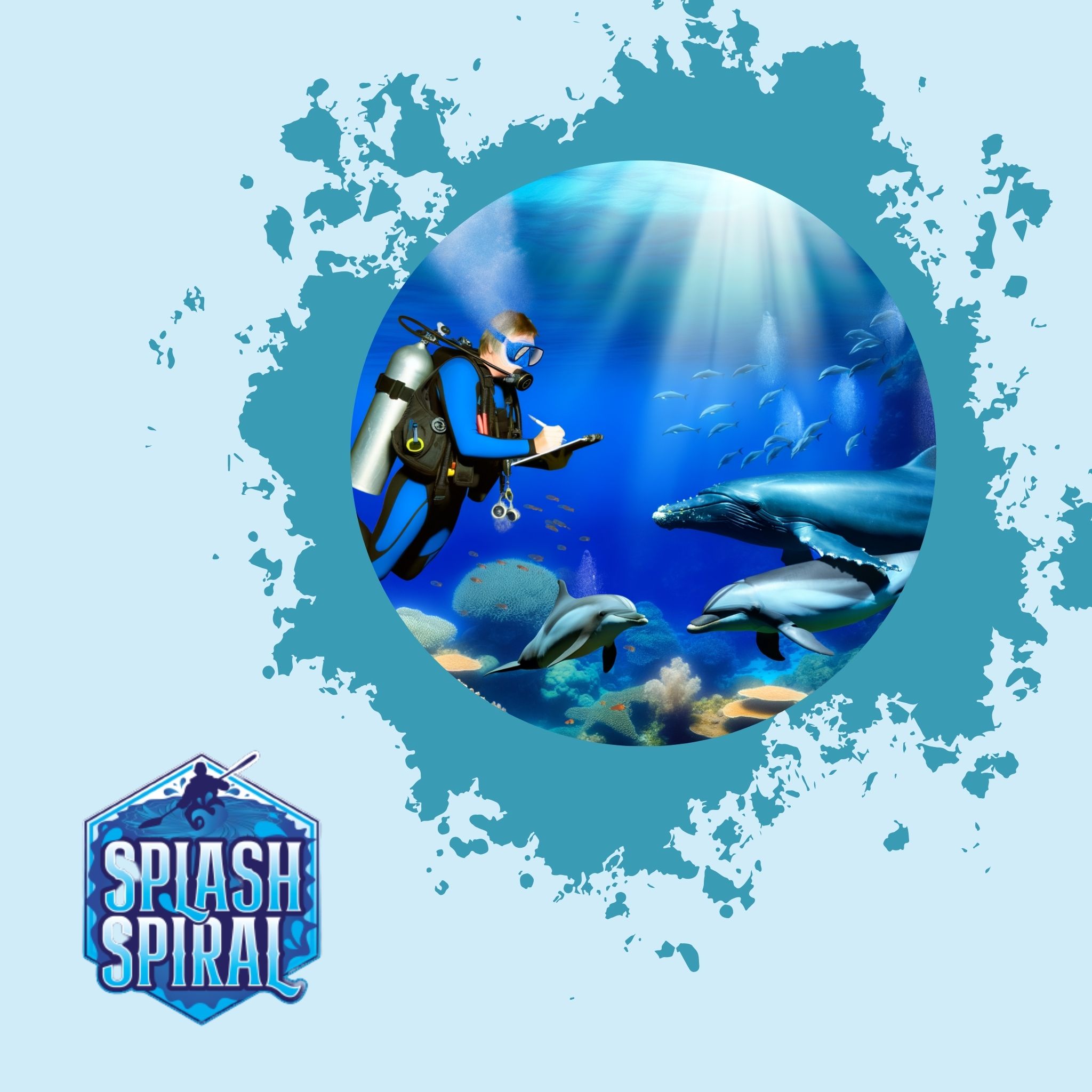
Marine mammals like whales and dolphins are keystone species in our oceans. Their well-being directly influences the health of marine ecosystems. As a diver, understanding the critical role you play in marine mammal protection is essential. This guide will help you learn how you can contribute to whale conservation and dolphin protection.
Introduction
Marine mammal protection refers to the efforts and measures taken to ensure the survival and well-being of marine mammals, particularly focusing on species like whales and dolphins. These creatures are more than just majestic beings of the ocean; they are vital to the health of marine ecosystems. Whales contribute to ocean nutrient cycles through their feeding and waste processes, while dolphins help maintain the balance of fish populations.
Why does this matter to you as a diver? Simply put, the presence of healthy marine mammals indicates a thriving, balanced ecosystem, which in turn means better diving experiences. Beyond that, as stewards of the underwater world, divers have unique opportunities to aid in conservation efforts firsthand. By understanding and acting upon the needs of these keystone species, divers can help shape the future of our oceans positively.
Understanding Marine Mammals
If you're new to diving, it’s important to get a basic understanding of the marine mammals you may encounter. Whales and dolphins fall under the category of cetaceans, which also includes porpoises. These fascinating creatures are highly intelligent and play a crucial role in marine ecosystems.
First off, let's get familiar with the stars of the show. Whales are generally larger and can be divided into two groups: baleen and toothed. Baleen whales, like the blue whale and humpback, filter feed using baleen plates. Toothed whales, like orcas and sperm whales, use teeth to hunt and catch their prey. Dolphins, on the other hand, are smaller, highly social, and use a combination of whistles and clicks for communication and echolocation.
The current state of marine mammal populations varies. Some species are relatively stable, while others are facing severe declines. For example, the North Atlantic right whale is critically endangered, with fewer than 400 individuals remaining. Similarly, many dolphin species are also under threat, primarily due to human activities.
So, what’s putting these incredible creatures at risk? The primary threats to marine mammals include entanglement in fishing gear, ship strikes, pollution, and habitat loss. Climate change also has a significant impact, altering prey availability and migration patterns. Pollution, especially plastic waste, not only physically harms these animals but also contaminates their food sources with toxins.
Understanding these basics can make your dives not only more enriching but also position you to contribute meaningfully to their conservation. When you appreciate the challenges marine mammals face, it becomes clear how important your involvement can be.
The Importance of Marine Mammal Protection
Marine mammals such as whales and dolphins play pivotal roles in maintaining the balance of marine ecosystems. As apex predators, they regulate the populations of their prey, which helps ensure the overall health of the food web. When healthy, these populations contribute to the stability of oceanic life, supporting diverse marine species and fostering resilient ecosystems.
The decline of marine mammal populations can have far-reaching consequences. A reduction in whale and dolphin numbers can lead to the proliferation of species lower in the food web, which in turn can cause the overconsumption of primary producers like phytoplankton. This shift disrupts the ecological balance, potentially leading to the degradation of habitats such as coral reefs and seagrass beds. Without these critical habitats, many marine organisms lose their breeding and feeding grounds, further impacting biodiversity.
Additionally, whales play a unique role in carbon cycling. Through the "whale pump," their nutrient-rich fecal plumes fertilize phytoplankton, which absorb carbon dioxide during photosynthesis. A healthy whale population helps sequester significant amounts of carbon, mitigating climate change impacts.
For divers, understanding these dynamics underscores the importance of marine mammal conservation. Your actions, whether through responsible diving practices or active participation in conservation efforts, can help protect these magnificent creatures and the intricate web of life they support. By contributing to marine mammal protection, you are not just safeguarding whales and dolphins but are also sustaining the health and vitality of the entire ocean ecosystem.
Steps Divers Can Take for Marine Mammal Protection
1. Educate Yourself and Others
Knowledge is power. Stay informed about marine mammal conservation issues by reading up on the latest research, attending webinars, and following organizations dedicated to marine life protection. Share what you learn with friends and fellow divers to create a ripple effect of awareness and action.
- Internal link: Scuba Diving Basics
2. Participate in Citizen Science Projects
Your observations matter. Join citizen science initiatives that invite divers to report sightings of whales and dolphins. Apps like WhaleAlert and platforms such as iNaturalist make it easy to contribute data that scientists can use to track populations and identify critical habitats.
3. Respect Marine Mammal Habitats
When you're diving in areas inhabited by marine mammals, always follow ethical guidelines. Keep a minimum distance of 100 yards from whales and 50 yards from dolphins to prevent causing stress or interference with their natural behaviors. Remember, disturbing them can disrupt their feeding, mating, and migrating activities.
4. Support Conservation Organizations
Get involved! There are numerous organizations dedicated to the protection of marine mammals. Consider donating or participating in their campaigns. Volunteering for beach cleanups or conservation projects can offer hands-on experience and make a direct impact.
5. Reduce Plastic Pollution
Every piece of plastic avoided is one less threat to marine mammals. Adopt sustainable practices like using reusable bags, bottles, and straws. Participate in beach and ocean clean-ups to remove debris that could harm marine life.
- Internal link: Microplastics in the Ocean: What Divers Need to Know
By integrating these practices into your diving routine, you'll not only enjoy the beauty of marine mammals but also play an essential role in their conservation.
The Impact of Diver Involvement
When it comes to marine mammal conservation, the involvement of divers has yielded some impressive results. Divers are often the eyes and ears of the underwater world, providing critical data and acting as stewards of the ocean. Here are a few stories and statistics that highlight the positive impact divers have had:
In 2018, a group of divers in the Maldives reported and documented a pod of 20 bottlenose dolphins entangled in ghost nets. Thanks to their quick actions and the precise information they provided to local authorities, a rescue operation was launched, successfully freeing the dolphins and removing hazardous debris from the ocean. This event not only saved these dolphins but also raised awareness about the dangers of discarded fishing gear.
In Mexico, the Whale Shark & Oceanic Research Center (WSORC) has mobilized divers to participate in their Whale Shark Program. Divers contribute by collecting photographic and video evidence used to identify individual whale sharks. This data has been instrumental in tracking the movements and health of these gentle giants, leading to better protection measures in vital feeding grounds.
Statistics also show the power of diver-led initiatives. According to Project AWARE, a global marine conservation organization, divers have removed more than 1.5 million pieces of trash from the ocean since 2011. This staggering number demonstrates how collective small actions can lead to significant outcomes.
In New Zealand, divers have been participating in the Orca Research Trust’s citizen science projects. Through sightings and behavioral observations reported by divers, researchers have gained invaluable insights into orca distribution and habits, contributing to targeted conservation strategies.
Divers also play a crucial role in monitoring the health of coral reefs, which are essential habitats for many marine mammals. For instance, divers involved in the Coral Restoration Foundation’s efforts in Florida have helped restore more than 100,000 corals, providing a healthier environment for marine life, including dolphins that frequent these areas.
These stories and statistics illustrate that when divers get involved, they can make a real difference. Their contributions not only aid in the immediate protection of marine mammals but also enhance the broader scientific understanding needed for long-term conservation efforts. Whether through direct action like rescue operations or ongoing participation in citizen science projects, divers have a unique opportunity to help safeguard our ocean's gentle giants.
Avoiding Harmful Diving Practices
As a diver, it's not just about exploring the underwater world—it's about doing so responsibly. Avoiding harmful diving practices is crucial for the protection of marine mammals and the broader marine environment.
1. Be Aware of Jellyfish Blooms
Jellyfish blooms can disrupt marine ecosystems and even harm marine mammals. As a diver, it's essential to stay informed about local jellyfish bloom conditions. Adjust your diving plans if you're aware of an active bloom to avoid areas where they might have significant ecological impacts. Not only will this keep you safe from potential stings, but it will also help you avoid contributing to the disturbance in areas already stressed by large jellyfish populations. For more information, check out our article on Jellyfish Blooms: Causes, Consequences, and Diver Safety.
2. Properly Manage Diving Equipment
Your diving gear is essential for a good experience, but it can also cause unintended damage if not handled properly. Ensure your equipment is well-secured and streamlined to minimize the risk of snagging on corals or other underwater structures. Be mindful of where you place your fins, and avoid standing on or touching the seabed, as even a single misstep can damage delicate marine habitats that are vital to the well-being of marine mammals and other sea life.
3. Safe Anchoring Techniques
Improper anchoring can seriously damage the seabed and related habitats. As a responsible diver, insist on using eco-friendly anchoring techniques whenever possible. Opt for mooring buoys instead of anchors, and when you must anchor, choose sandy patches over fragile ecosystems like coral reefs. Learning how to anchor your boat safely without causing harm can make a significant difference in the preservation of marine environments that support whales and dolphins.
By avoiding these harmful diving practices, you contribute to a healthier marine ecosystem, making you a better steward of the ocean and its magnificent inhabitants.
Being a Role Model in the Diving Community
As a diver, you have a unique platform to influence your peers and the broader diving community. Being a role model involves more than just following the guidelines yourself—it's about inspiring others to do the same. Here are some practical ways you can lead by example and foster a culture of conservation within the diving community:
Lead by Example
Actions speak louder than words. When other divers see you actively engaging in marine mammal protection, they are more likely to follow suit. Whether it's picking up debris during a dive or adhering strictly to marine mammal distance guidelines, your actions can set a powerful precedent.
Share Your Knowledge
Consider starting conversations about marine mammal conservation with other divers. Share articles, point them to informative websites, or even organize small group discussions or study sessions. The more people understand the importance of marine mammal conservation, the more likely they are to get involved.
Mentor New Divers
New divers often look up to more experienced ones for guidance. Use this opportunity to instill good practices early. Teach them about the ecological roles of marine mammals, the threats they face, and how responsible diving can help. This can pave the way for a generation of divers who are more conscientious and proactive about marine conservation.
Promote Ethical Diving Practices
When diving in groups, advocate for and demonstrate ethical diving practices. For example, make sure everyone understands the importance of maintaining a respectful distance from marine mammals and not touching or feeding them. It’s also beneficial to practice and promote the use of eco-friendly dive gear.
Encourage Participation in Conservation Activities
Organize or take part in local conservation activities such as beach clean-ups, citizen science projects, or fundraisers for marine mammal organizations. Invite fellow divers to join and make these events a social and educational experience. Seeing you take initiative can motivate others to do the same.
Leverage Social Media
Social media can be a powerful tool for spreading awareness and mobilizing action. Share your conservation efforts, educational materials, and inspiring stories about marine mammal protection on platforms like Instagram, Facebook, or dive-related forums. Use hashtags related to marine conservation to reach a broader audience.
By leading through example and actively engaging your diving community, you contribute to a collective effort that can make a significant impact on marine mammal conservation. Remember, every step taken towards more responsible and informed diving practices not only protects these majestic creatures but also ensures healthier oceans for generations to come.
Resources for Further Learning and Involvement
As you venture into the realm of marine mammal conservation, it's vital to equip yourself with the right knowledge and tools. Below are various resources that can help you deepen your understanding and actively participate in conservation efforts.
Educational Materials
- "Marine Mammal Conservation and the Marine Mammal Protection Act" – A comprehensive guide by NOAA, covering key legislation and conservation strategies.
- "Whales and Dolphins: Cognition, Culture, Conservation and Human Perceptions" by Philippa Brakes and Mark Peter Simmonds – An insightful book exploring the behavior and conservation of cetaceans.
Conservation Organizations
- Oceanic Society (https://www.oceanicsociety.org) – Offers extensive information on marine mammal conservation and opportunities to participate in citizen science projects.
- Whale and Dolphin Conservation (WDC) (https://www.whales.org) – An organization dedicated to the protection of cetaceans worldwide, offering volunteer programs and educational resources.
Courses and Certifications
- PADI Whale and Shark Awareness Distinctive Specialty Course – A specialized course to enhance your knowledge about whale and shark conservation.
- Marine Mammal Medic Course by the British Divers Marine Life Rescue (BDMLR) – Learn how to assist in the rescue and medical care of stranded marine mammals.
Online Platforms and Apps
- eOceans (https://www.eoceans.co) – An app that allows divers to report sightings and contribute to marine conservation data.
- iNaturalist (https://www.inaturalist.org) – A citizen science project and online social network where divers can share observations and aid in marine biodiversity research.
By leveraging these resources, you can become a more informed and active participant in marine mammal conservation. Dive in and make a difference!
Conclusion
Marine mammal conservation is not just a noble pursuit; it's crucial for the longevity and health of our oceans. Whales and dolphins aren't just captivating creatures; they are integral to the marine ecosystem. As a diver, you hold unique power to influence and safeguard these majestic animals.
Remember, every action counts. Whether you're educating yourself and others, participating in citizen science projects, respecting habitats, supporting organizations, reducing plastic use, or avoiding harmful diving practices, your contributions make a difference.
So, take these steps to heart. Commit to making informed, responsible choices every time you dive. By doing so, you'll be playing a vital role in the preservation of our oceans. The impact of your efforts can ripple out, creating lasting positive change for marine mammals and the underwater world we all cherish. Join the movement and be a steward of the sea; the future of our marine friends depends on it.