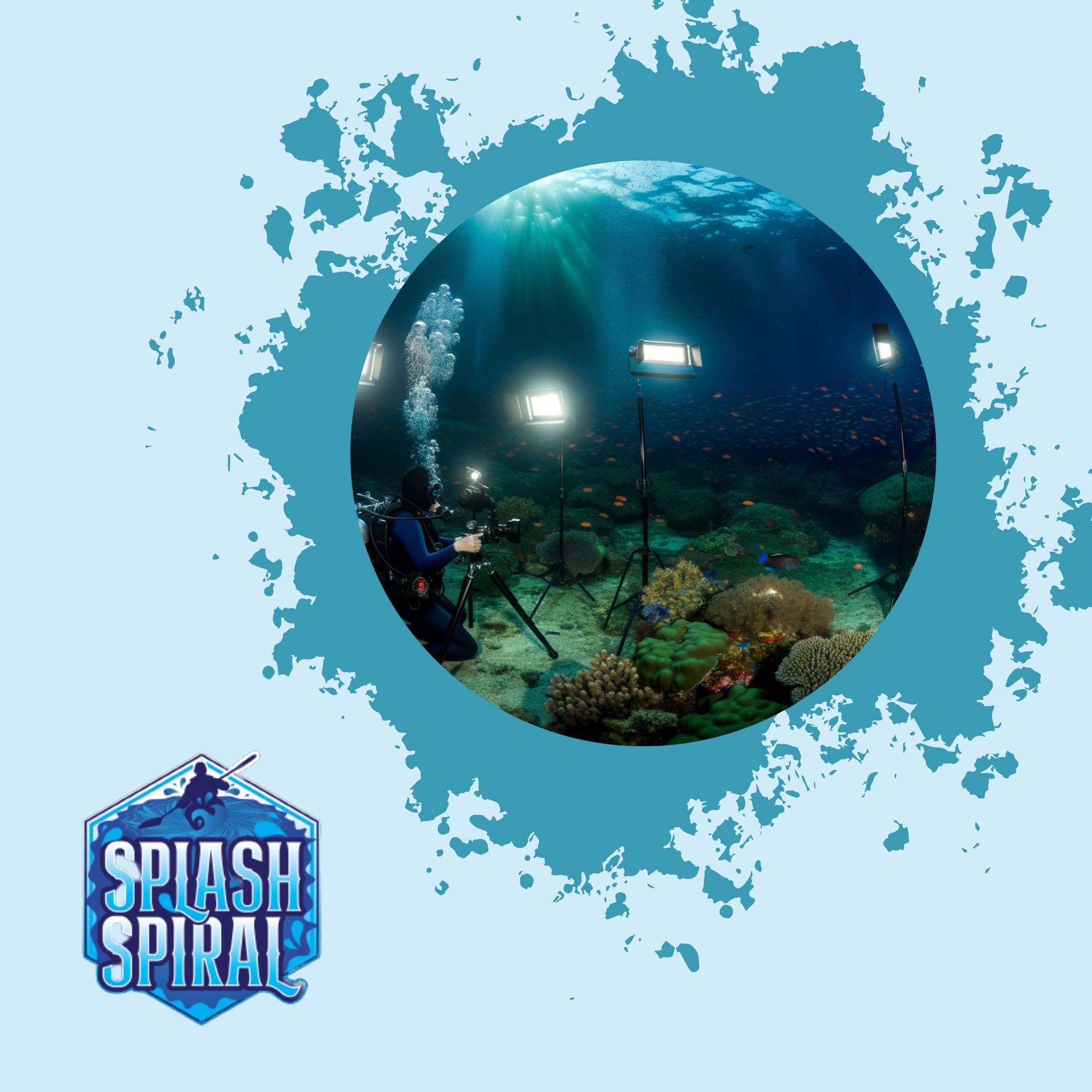
Diving into the world of underwater photography? One of the key components to eye-catching marine images is mastering lighting. The ocean's depth, water conditions, and marine life can present unique challenges and opportunities. Whether you're a beginner or looking to refine your skills, understanding creative lighting techniques can elevate your underwater shots. Let's dive into some essential tips and tricks to get you started.
Introduction
Lighting is to underwater photography what rhythm is to music – it's absolutely essential. Without the proper understanding and application of lighting techniques, even the most vibrant marine scenes can come out looking flat and uninspiring.
Purpose of This Guide
This guide aims to light up your path (pun intended) as you delve into the enchanting yet challenging world of underwater photography. Whether you're just starting out or seeking to fine-tune your skills, you'll find:
- Foundational insights
- Practical advice designed to help you capture stunning aquatic images
What You'll Learn
So, let's dive in and illuminate your underwater photography journey! Here’s what the guide covers:
- The importance of lighting in underwater photography
- Techniques needed to bring marine scenes to life
Understanding the Importance of Lighting Underwater
Lighting is a game-changer in underwater photography. It can transform ordinary scenes into extraordinary imagery. While land photography benefits from predictable and stable lighting environments, underwater photography requires a nuanced approach due to the unique and often challenging conditions beneath the waves.
Light Absorption and Color Loss
First, it's essential to understand how light behaves differently underwater. When you dive below the surface, light starts to diminish quickly. Water absorbs light more rapidly than air, reducing brightness and contrast. This absorption affects different wavelengths (colors) at varied depths, causing colors to disappear one by one as you dive deeper.
- Red is the first color to go, disappearing around 15-20 feet (5-6 meters). Hence, at greater depths, everything can look blue or green.
- Orange follows next, then yellow, and by the time you're down to about 100 feet (30 meters), everything tends to have a blue-gray hue.
- Green and blue persist longer, but even they dim out as you descend further into the depths.
Impact on Photography
This rapid absorption and color shift mean that your underwater subjects will not appear as vividly as they do on land without proper lighting techniques. To counteract these changes, you'll need to introduce artificial light sources. These include strobes, underwater torches, or video lights that can bring back the richness of colors lost due to the water's filtering effect.
Understanding these principles is your first step towards capturing breathtaking underwater images that resonate with the same beauty and clarity you see through your dive mask. Lighting isn't just a technical component in underwater photography—it's the essence that brings marine environments to life.
Essential Gear for Underwater Lighting
Diving into underwater photography without the right lighting gear is like trying to paint a masterpiece in the dark. Proper lighting can be the difference between a murky, forgettable shot and a vibrant, captivating image. Let's break down the essential gear you'll need to illuminate your underwater adventures.
Underwater Lights
First up, underwater lights. These are crucial for bringing out the colors and details in your shots, especially as you dive deeper where natural light diminishes. There are several types to consider:
- Video Lights: Continuous lights that work well for both photography and videography. They provide a constant source of illumination, making it easier to see how your lighting affects the scene in real-time.
- Strobes: Flashlights ideal for still photography. They emit a burst of light powerful enough to "freeze" fast-moving marine life and reduce motion blur.
Recommendations
To help you get started, here are some beginner-friendly options that won't break the bank but will significantly improve your underwater shots:
- Budget Option: SeaLife Sea Dragon 2000F
- Great for beginners due to its user-friendly features and robust build.
- Mid-Range: Ikelite DS160 Strobe
- Offers a good balance between power and versatility.
- Premium: Inon Z-330 Strobe
- A bit pricier but packed with features like wide beam coverage and high power output.
Torches
Torches or dive lights are another essential item, primarily used for exploring during night dives or in low-visibility conditions. They can also serve as focus lights to assist your camera's autofocus system.
- Recommended Torch: BigBlue CF1200P-II
- Compact, efficient, and provides excellent illumination.
Mounting Systems
Properly mounting your lights can greatly impact the stability and flexibility of your setup. A reliable mounting system allows you to adjust the angle and position of your lights to reduce backscatter and enhance your composition.
- Tray and Arm System: Look for a flexible arm system, such as the Ultralight Control Systems (ULCS), which can help you position your strobes or video lights accurately. These systems are modular, allowing you to expand as you advance in your skills.
Final Thoughts
Investing in good lighting gear is a crucial step toward mastering underwater photography. As a beginner, start with essential items and gradually upgrade as you become more comfortable and experienced. Remember, the proper use of lighting equipment will illuminate the hidden beauty of the underwater world, transforming your shots from mundane to mesmerizing.
Basic Underwater Lighting Techniques
Natural Lighting: Leveraging Available Sunlight
When beginning with underwater photography, harnessing natural light is your best friend, especially in shallow waters. Sunlight penetrates the water surface and can create stunning visuals. Here’s how to make the most of it:
-
Shooting in Shallow Waters: The shallower you are, the more natural light you have to play with. Stick to depths of around 5-10 meters to capture vibrant colors and sharp details.
-
Timing Your Dives: Early morning or late afternoon provides the best lighting conditions. The angle of the sun can create dramatic effects, such as rays filtering through the water while reducing the harsh overhead noon light.
-
Optimal Settings for Blue Water Diving: Adjust your camera settings to make full use of available light. Lower ISO settings, around 100-400, can reduce noise. Use a moderate aperture (f8-f16) to maximize depth of field without sacrificing light. Check out this guide for blue water camera settings.
Artificial Lighting: Using Strobes and Continuous Lights
For those looking to dive a bit deeper or capture details in less brightly lit environments, artificial lighting becomes necessary. Here’s how to get started with strobes and continuous lights:
-
Positioning Strobes: Proper strobe positioning is crucial to avoid backscatter and achieve even lighting. Place strobes at a 45-degree angle to your subject. This off-angle reduces the amount of particulate matter reflecting light directly into the lens.
-
Use of Diffusers: Diffusers help spread the strobe light more evenly and soften harsh shadows. They’re especially useful for close-up shots where even minimal shadows can impact the quality.
-
Light Source Placement and Distance: When placing your lights, keep a balance between highlighting your subject and avoiding hot spots. A good rule of thumb is to start with strobes or lights about an arm's length away from the camera housing and adjust based on how the light falls on the scene.
By mastering these basic techniques, you can make the most of both natural and artificial lighting to capture stunning underwater images. As you gain confidence, you'll find yourself exploring more advanced methods to enhance your underwater photography further. Happy diving!
Advanced Creative Lighting Techniques
Great! You’ve mastered the basics. Now let's step it up and explore some advanced lighting techniques that’ll make your underwater photos stand out.
Backlighting: Creating Silhouettes and Highlighting Details
Backlighting can create striking silhouettes and bring out fine details in your subject, especially when shooting marine life. Position your light source behind the subject to achieve a dramatic halo effect. This approach not only adds depth but also helps to separate your subject from the background. Just remember to keep an eye on exposure settings to avoid blowing out highlights.
Side Lighting: Adding Depth and Texture
Side lighting is fantastic for emphasizing the texture and contours of underwater scenes. By placing your light at a 90-degree angle to your subject, you can cast shadows that reveal intricate details in coral reefs or the rough surfaces of shipwrecks. This technique adds a three-dimensional quality to your photos, making them pop.
Multiple Lighting Sources: Balancing Exposure and Enhancing Composition
Using multiple light sources can be tricky but incredibly rewarding. With two or more lights, you can balance exposure across your entire frame. Place one light as your main source and use additional lights to fill shadows or highlight other areas of interest. Ensure your lights are at different angles and distances to avoid flat, uninteresting photos. Experimenting with multiple lights can lead to compelling compositions that captivate viewers.
Off-Camera Lighting: Techniques for More Dynamic Shots
Off-camera lighting gives you the ultimate control over the direction and quality of light, resulting in dynamic and flexible shooting options. Using remote triggers, you can position lights independently of the camera to create unique effects. Try placing your light source at unconventional angles—upward from below, for instance—to cast eerie, captivating light patterns. Off-camera techniques are ideal for creative shots and can transform ordinary scenes into extraordinary works of art.
Master these advanced techniques, and you’ll be well-equipped to capture the underwater world in ways many only dream of. Happy diving and shooting!
Video Shooting Tips for Underwater Videography
When it comes to underwater videography, smooth, cinematic footage can turn a simple dive into a captivating story. Let's look at some fundamental tips to help you achieve that professional look.
Achieving Smooth, Cinematic Shots
1. Steady as She Goes: The first rule of underwater videography is stability. Use a tray and handle system to mount your camera. This helps keep your shots steady and complements the natural buoyancy you'll experience underwater, minimizing camera shake.
2. Slow and Steady Movements: Rapid movements can leave viewers feeling disoriented. Glide through the water slowly, and be deliberate with your camera pans and tilts. Think of yourself as a gentle ocean current, not a crashing wave.
Understanding Lighting in Underwater Videography
1. Work with Natural Light: Much like photography, videography thrives with good lighting. Maximize natural sunlight by shooting in shallow waters and during times when the sun is overhead. The soft, filtered light enhances the vivid colors of the marine environment.
2. Use Artificial Lights Wisely: Continuous lights (video lights) are your best friends here. Position your lights to minimize shadows and prevent backscatter, those annoying floating particles that can ruin a good shot. Experiment with different angles to see how the light affects your subject.
Stability and Movement: Minimizing Shake and Maximizing Control
1. Use Buoyancy Control: Mastering your buoyancy goes a long way in preventing shaky footage. The more neutral you are, the easier it will be to maintain control over your framing and movement.
2. Two-Handed Shooting: Always use two hands to support and move your camera. This grip reduces unintentional wobbles and gives you better control over your movements.
Capturing Dynamic Marine Behavior
1. Be Patient and Observant: Marine life can be unpredictable. Spend time studying your surroundings and wait for the perfect moment. Patience pays off when you're trying to capture natural behaviors.
2. Anticipate and Frame: Think ahead about how marine animals move and behave. Frame your shots accordingly, anticipating where they will go next to capture smooth transitions and actions within your scene.
By focusing on these basic yet essential tips, you'll be well on your way to producing stunning underwater videos that capture the beauty and drama of marine life. Remember, practice makes perfect, so keep diving, keep filming, and keep improving.
Challenges and How to Overcome Them
Handling Low Visibility and Making the Most of Limited Natural Light
One of the biggest hurdles in underwater photography is dealing with low visibility. Water clarity can vary greatly depending on weather, water pollution, and other factors. To combat this, focus on close-up photography where subjects are within a few feet of your lens. This minimizes the amount of particulate matter between you and your subject and maximizes the available light. Incorporating a good-quality strobe or powerful continuous light can cut through the murk and add much-needed illumination.
Coping with Color Loss at Greater Depths
As you descend, you'll notice colors start to fade. Reds disappear first, followed by oranges and yellows, leaving everything with a blue-green tint. To counteract this, use an underwater strobe to reintroduce the full spectrum of light and bring back the vibrant colors. Another handy tool is a color-correcting filter, tailored to your diving depth. These filters can help restore some of the lost hues, but keep in mind that they work best in clear water and at shallower depths.
Dealing with Particulate Matter and Avoiding Backscatter
Backscatter is the bane of underwater photography. It's caused by your camera's light reflecting off tiny particles in the water, creating unsightly specks in your photos. To reduce this, position your strobes or lights at a 45-degree angle to your subject, rather than head-on. This technique minimizes the light hitting the particles directly in front of your lens. Additionally, using a strobe diffuser can help soften the light and further lessen the chances of backscatter. Opt for a lower ISO setting to reduce noise and enhance the clarity of your shots.
Getting the Perfect Shot: Practice and Patience
Perfecting underwater photography isn't an overnight achievement—it's a journey. The key to stunning underwater images is consistent practice and embracing the learning process.
Tips for Success
With each dive, you'll encounter unique conditions and subjects, offering invaluable lessons.
Stay Patient
- Timing: Underwater photography often requires you to wait for the right moment, whether it's capturing the interplay of light on coral or waiting for a sea creature to strike the perfect pose.
- Pace: Don’t rush—let the ocean reveal its magic on its own terms.
Learn from the Experts
Consider the words of seasoned underwater photographers who often highlight their most breathtaking shots as results of perseverance:
- Anecdotes: They share anecdotal evidence demonstrating that while initial attempts may be frustrating, the rewards come with patience and consistent effort.
- Perspective: Think of each dive as both a practice session and an opportunity for that perfect shot.
Incorporate Feedback Loops
After each dive, review your shots and identify areas for improvement. Ask yourself questions like:
- Composition: How was the composition?
- Lighting: Was the lighting effective?
- Subject: Did the subject stand out?
Use these reflections to hone your skills dive after dive.
Summary
Approach underwater photography with a mindset of continuous improvement. Practice diligently, remain patient, and let your passion for the craft drive you forward. The ocean's wonders await those who are willing to put in the time and effort to capture them.
Additional Resources
To fine-tune your underwater photography skills, it's crucial to learn from the experts and tap into a wealth of shared knowledge. Here are some resources to get you started on your journey to mastering underwater lighting techniques.
-
Follow Marine Videography Experts:
Gain insights and inspiration by following professionals who specialize in marine videography. Their social media pages, blogs, and YouTube channels often offer tips, behind-the-scenes looks, and detailed tutorials. -
Detailed Guides and Tutorials:
Websites like Splash Spiral offer comprehensive guides on topics ranging from creating stunning underwater panoramas to specific lighting techniques. Dive into these resources to expand your knowledge and refine your techniques. -
Specialized Diving Forums and Groups:
Join diving and underwater photography forums and groups. Platforms like Splash Spiral Scuba Diving can connect you with a community of like-minded individuals. These spaces are perfect for asking questions, sharing experiences, and receiving constructive feedback on your work.
-
Workshops and Courses:
Consider enrolling in workshops or online courses that focus on underwater photography. Many experienced photographers offer classes that cover everything from the basics to advanced lighting techniques, providing hands-on learning opportunities. -
Books and E-Books:
Several well-regarded books delve into the specifics of underwater photography. Look for titles that cover lighting techniques, gear recommendations, and troubleshooting tips to add to your personal library.
By immersing yourself in these resources, you'll continuously improve your skills, stay updated with trends, and connect with a community passionate about underwater photography. Remember, the journey is just as exciting as the destination, so keep exploring, learning, and capturing the ocean's beauty.
Conclusion
Mastering underwater lighting is an evolving journey that starts with understanding the basics and continuously experimenting with different techniques. Here are the core tips to keep in mind:
Core Tips
-
Leverage Natural Sunlight
- Use shallow waters to your advantage.
- Time your dives to soak up the optimal natural light.
-
Invest in Quality Gear
- Equip yourself with proper strobes, torches, and mounting systems.
- Enhance your control and flexibility underwater.
-
Practice Basic and Advanced Techniques
- Begin with natural and artificial lighting techniques to build a strong foundation.
- Gradually incorporate advanced methods like backlighting and side lighting.
- Adopt a Trial-and-Error Approach
- Be patient and willing to try new things.
- Understand that the underwater environment is dynamic and full of surprises.
Final Thoughts
Above all, enjoy the process. Underwater photography offers a great combination of exploration and creativity:
- Share Your Work: Engage with the community and learn from other photographers.
- Seek Guidance: Don't hesitate to seek advice or tips.
- Explore & Grow: The underwater photography world is vast and welcoming, with endless opportunities for growth.
Experiment, practice, and channel your passion into capturing the mesmerizing beauty beneath the waves.