Scuba Diving: A World Beneath the Surface
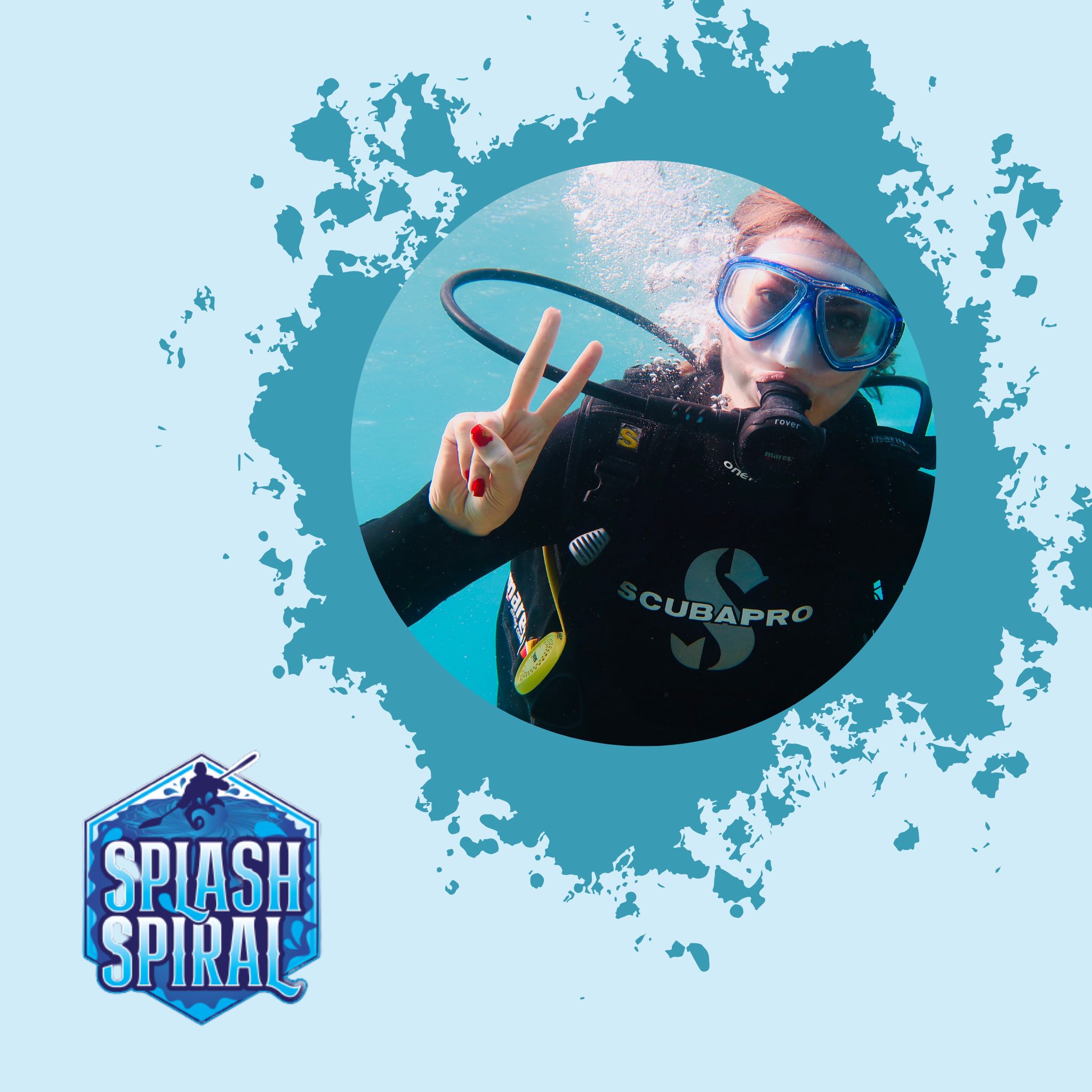
Scuba diving is a thrilling experience that allows you to explore the underwater world and witness an environment that not many people get to see. It involves diving into water while using self-contained underwater breathing apparatus (SCUBA).
The purpose of SCUBA is to provide divers with an uninterrupted supply of air, allowing them to remain underwater for extended periods. While scuba diving can be a breathtaking adventure, it does come with potential safety risks.
Divers should be aware of these hazards and take measures to ensure their safety. Some common risks associated with scuba diving include physical, environmental, and psychological factors.
Physical risks such as decompression sickness can occur when divers ascend too quickly, causing nitrogen gas bubbles to form in their body tissues. This can cause joint pain, fatigue, difficulty breathing or even paralysis and death in severe cases.
Nitrogen narcosis is another physical risk that occurs when divers descend too deep into the water causing nitrogen gas to affect the brain like alcohol. Equipment failure is also a real possibility and can lead to drowning or other injuries if not properly maintained.
Environmental risks such as strong currents can pull divers away from their intended path or create dangerous situations where they may become trapped underwater. Marine life encounters such as jellyfish stings or shark attacks are also possible but rare occurrences.
Visibility issues are another concern where divers may lose sight of each other or become disoriented due to low visibility. Psychological risks such as panic attacks and anxiety also pose a threat to scuba divers if they are not mentally prepared for the experience.
These conditions can cause confusion during dives, leading to potentially dangerous situations. Overall, while scuba diving presents some inherent dangers that one must be aware of before undertaking this activity; proper training along with safe diving practices greatly minimizes these concerns allowing for an exciting exploration into the unknown depths of our oceans.
The Dangers of Scuba Diving
Decompression Sickness
One of the major physical risks associated with scuba diving is decompression sickness, also known as “the bends.” This occurs when the body absorbs nitrogen gas while diving and then ascends too quickly, causing the nitrogen to form bubbles in the bloodstream. Symptoms can include joint pain, fatigue, dizziness, and even paralysis. To prevent decompression sickness, divers must follow strict guidelines for ascent rates and dive times based on their level of training.
Nitrogen Narcosis
Another physical risk associated with scuba diving is nitrogen narcosis, also known as “rapture of the deep.” This occurs when high levels of nitrogen gas are absorbed by the body at depth and can cause impaired judgment similar to being under the influence of alcohol. Symptoms can include euphoria or extreme anxiety. To prevent nitrogen narcosis, divers must limit their depth based on their level of training.
Environmental Risks
Scuba diving also poses environmental risks such as strong currents, marine life encounters, and visibility issues. Strong currents can make it difficult to swim and navigate underwater while marine life encounters can result in injury if divers get too close or provoke a dangerous animal. Visibility issues such as low light or murky water can make it difficult for divers to see where they are going or avoid obstacles in their path.
Psychological Risks
In addition to physical and environmental risks, scuba diving also poses psychological risks such as panic attacks and anxiety. These can occur due to a variety of factors such as feeling claustrophobic in a mask or regulator, encountering unexpected situations underwater like equipment failure or getting lost from your dive group. Proper training includes learning how to control your breathing underwater which helps calm your nerves while learning what emergency procedures you need to follow.
Safety Measures for Scuba Diving
Proper Training and Certification
One of the most important safety measures for scuba diving is to have proper training and certification. Scuba diving is not a sport that you can just pick up and start doing without any training or experience.
You need to learn the essential skills, such as how to use the equipment, how to breathe underwater, and proper safety procedures. This is where a certified scuba instructor comes in.
They will teach you everything you need to know before you dive into the water. The first step in getting certified is to find a reputable scuba diving school or instructor.
Look for certifications such as PADI (Professional Association of Diving Instructors) or NAUI (National Association of Underwater Instructors). These organizations have strict standards for their instructors and ensure that they teach safe and responsible diving practices.
Regular Equipment Maintenance and Checks
Scuba diving equipment is essential for your safety underwater, so it’s crucial that it’s well-maintained and checked regularly. Before every dive, make sure that all your equipment is working correctly by conducting a pre-dive check with your buddy.
Some essential items that need checking include regulators, tanks, BCDs (buoyancy control devices), masks, fins, and weight belts. If there are any issues with your gear, do not attempt to fix them yourself – take them to a professional technician who can repair them correctly.
Following Safe Diving Practices
To have an enjoyable but safe dive experience each time you go down into the water while scuba diving requires following certain safe practices: – Always dive with someone else: The buddy system ensures that you always have someone watching your back. – Plan your dives: Make sure you know where you’re going, how long you’ll be down there, and how much air you’ll need.
– Monitor your depth and time: Keep track of your dive time and depth to avoid decompression sickness. – Follow emergency procedures: Know what to do in case of an emergency, such as a lost dive buddy or equipment failure.
Following these safe diving practices ensures that you have a safe and enjoyable diving experience every time. Scuba diving can be an incredible adventure, but it’s essential to prioritize safety every step of the way.
The Benefits of Scuba Diving
Improved Physical Fitness and Mental Health
Scuba diving is a full-body workout that can improve your overall physical fitness. The equipment that you wear, such as the wetsuit and tanks, can add extra resistance to your movements, making it a great form of exercise. Additionally, swimming in open water requires more effort than swimming in a pool due to the currents and waves.
This increased physical activity can lead to improved cardiovascular health, increased muscle tone, and weight loss. Moreover, scuba diving allows you to disconnect from the world for a while and focus on yourself.
Underwater environments are peaceful and calming which can reduce stress levels significantly. Being in the open water without any distractions gives you time to relax your mind and fully engage with your surroundings.
Opportunities for Exploration and Adventure
Scuba diving provides access to an entirely different world filled with unique creatures, corals, shipwrecks, caves and much more – all waiting to be discovered by enthusiastic divers! Scuba diving offers limitless opportunities for exploration regardless of skill level or experience.
Some of the most fascinating marine life lies deep beneath the surface where few have ventured before! Whether you’re exploring coral reefs or shipwrecks, there’s always something new waiting for you!
Furthermore, scuba diving can also take you on exciting adventures all over the globe! From tropical islands teeming with life like Indonesia or Costa Rica to sites closer home like Florida or California – there are endless possibilities when it comes to scuba diving destinations.
Increased Awareness and Appreciation for Marine Life
When you dive beneath the surface of any body of water- whether it’s a murky lake or clear ocean- it’s impossible not be awed by its beauty. You learn about marine life ranging from microorganisms invisible to the naked eye, to massive creatures like whales and sharks.
Scuba diving allows you to see the world in a different light. Additionally, scuba divers tend to be more environmentally conscious due to their experiences underwater.
Being up close with marine life and seeing firsthand the effects of pollution leads many divers to become passionate advocates for ocean conservation. Divers are often more aware of their impact on the environment and make efforts to reduce it both in and out of water.
There are many benefits of scuba diving ranging from physical fitness, mental health, adventure, exploration, and conservation. Scuba diving offers an opportunity like no other- allowing us to explore another world while gaining new perspectives on our own!
Conclusion
Summary of the dangers and safety measures associated with scuba diving
Scuba diving is a thrilling activity that allows you to explore the beauty and diversity of the underwater world. However, it comes with some risks that should not be ignored.
Physical, environmental, and psychological risks can arise during a dive and threaten your safety. Decompression sickness, nitrogen narcosis, equipment failure, strong currents, marine life encounters, visibility issues, panic attacks or anxiety are just some of the dangers you may face.
Thankfully, there are ways to mitigate these risks. By taking proper training and certification courses, regularly maintaining and checking your equipment before diving ,and following safe diving practices like using a buddy system or planning your dives in advance can significantly reduce the probability of accidents occurring.
Encouragement to pursue scuba diving with caution while enjoying its benefits
Despite the potential dangers that come with scuba diving if done correctly with appropriate precautions taken -the benefits far outweigh any perceived risk. Scuba diving provides an opportunity to improve both physical fitness and mental health by increasing endurance levels as well as decreasing stress levels.
In addition to this it’s an adventure like no other allowing for exploration of places unknown giving an appreciation for marine life that can only be understood through personal experience. – by being aware of potential hazards associated with scuba diving but also taking necessary steps towards reducing those risks -one can safely enjoy this exhilarating activity while experiencing all its associated benefits.