Scuba diving has become increasingly popular among thrill-seekers and adventure lovers. The idea of exploring the depths of the ocean, discovering fascinating marine life, and experiencing a whole new world beneath the surface is an exhilarating thought that draws many people towards scuba diving.
The sport offers a diverse range of experiences, from exploring coral reefs to wreck diving. The opportunity to be surrounded by schools of colorful fish or come face-to-face with majestic sea creatures such as sharks or dolphins is something that can’t be experienced anywhere else.
The Fear Associated with Scuba Diving
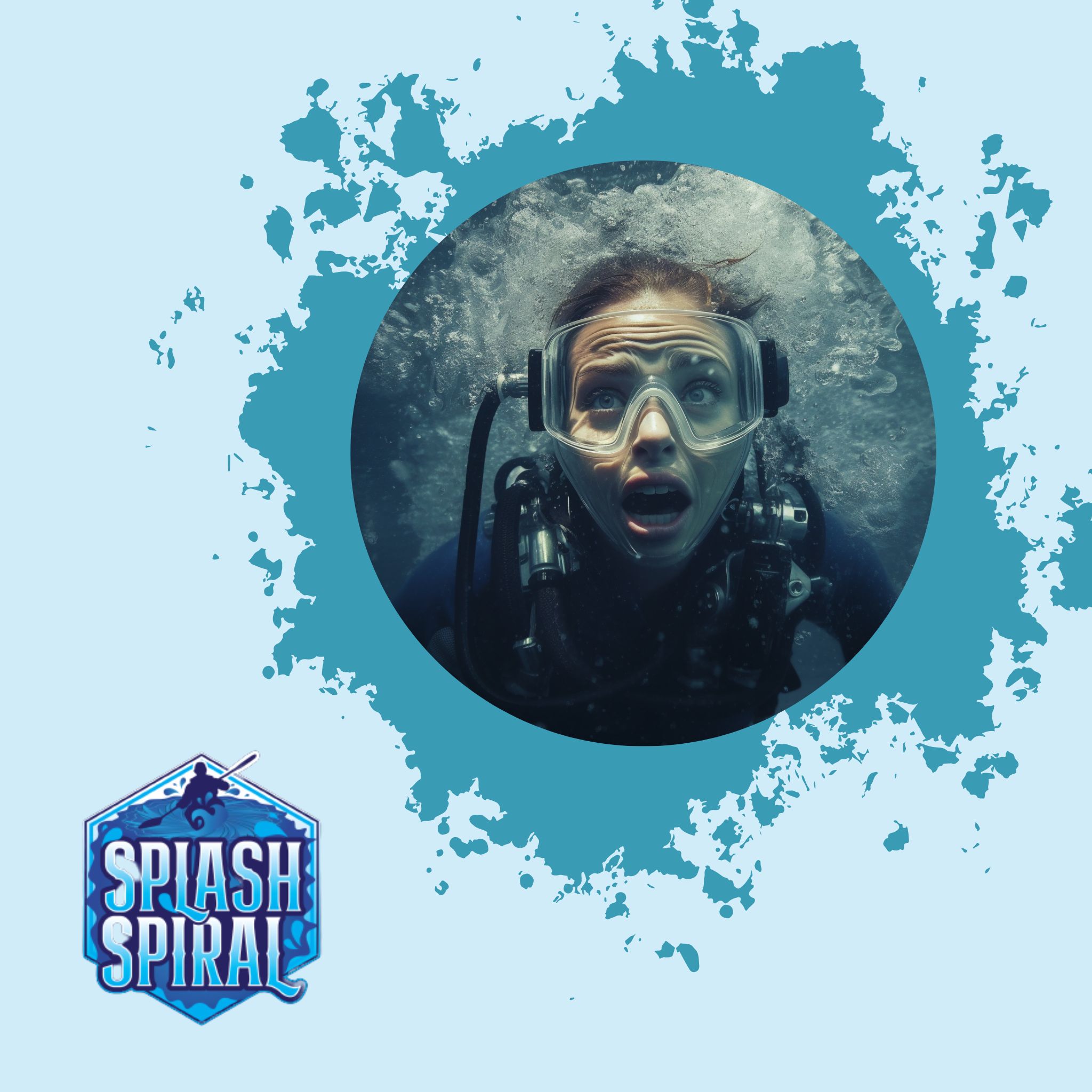
Despite all the excitement surrounding scuba diving, there are also fears associated with it. For some people, just the thought of breathing underwater can be terrifying.
While others may fear getting lost in the open water or not being able to handle unexpected situations that may arise while diving. These fears can be intensified by misconceptions about what scuba diving really involves.
Some people believe that it’s a dangerous activity only for experienced divers, but this couldn’t be further from the truth. Scuba diving is often taught in controlled environments and proper training ensures safety measures are in place before dives are taken.
In order to fully enjoy all that scuba diving has to offer, it’s important to overcome these fears and learn how to dive safely. This article will explore tips and techniques on how to overcome fear associated with scuba diving so you can fully experience this exciting sport without any worries.
Understanding Fear of Scuba Diving
Scuba diving is a thrilling and exciting experience, but for some, it can also be a daunting and nerve-wracking activity. It’s not uncommon to feel anxious or scared before diving into the deep blue sea. Understanding why you’re feeling these emotions is the first step in overcoming your fear of scuba diving.
Common Reasons for Fear
There are several common reasons why people may feel fearful of scuba diving. One reason is claustrophobia – the fear of confined spaces. Being underwater with limited visibility can feel overwhelming and cause panic for those with this phobia.
Another common reason for fear is the fear of drowning. The idea of being completely submerged in water, relying solely on equipment to breathe, can be a frightening thought.
It’s important to recognize that everyone has different fears and concerns when it comes to scuba diving. Some people may have had negative experiences in the past that have contributed to their fear, while others may simply be afraid of the unknown.
Realistic Versus Unrealistic Fears
When it comes to scuba diving, there are both realistic and unrealistic fears. Realistic fears are based on actual dangers associated with diving such as equipment failure, strong currents, or marine life encounters that could be dangerous if not handled properly.
On the other hand, unrealistic fears involve exaggerated perceptions or beliefs about potential dangers that aren’t actually present when scuba diving. For example, some people might believe they’ll run out of air or get trapped underwater by kelp when neither scenario is likely to occur.
Knowing the difference between realistic and unrealistic fears can help you approach your fear of scuba diving more rationally and logically. By educating yourself on what could go wrong during a dive and how these situations can be avoided or managed effectively through proper training and preparation – you’ll be better equipped to tackle your fear head-on.
Preparing for Scuba Diving
Researching reputable dive centers and instructors
Choosing the right dive center and instructor is crucial in overcoming fear of scuba diving. Doing research beforehand will help you find a reputable center with experienced instructors who can provide the guidance and support you need. Look for reviews online or ask for recommendations from friends who have gone scuba diving before.
When choosing a dive center, pay attention to safety measures they have in place such as emergency procedures. Instructors should be certified by a recognized organization like PADI or NAUI, and should have experience working with divers of all levels.
Taking a scuba diving course to learn proper techniques and safety measures
Taking a scuba diving course is highly recommended for anyone who wants to overcome their fear of scuba diving. These courses cover everything from basic techniques like how to breathe underwater, to more advanced topics such as dive planning and managing emergencies.
During the course, you’ll learn how to properly use your equipment, how to communicate with your dive buddy, and how to handle different underwater scenarios. This knowledge will help build your confidence when it’s time to go out into open water.
Practicing in a pool or shallow water before diving in open water
Before heading out into open water, it’s important to practice your skills in a controlled environment like a pool or shallow water. This will allow you to get comfortable using your equipment while still being able to see the bottom clearly. Practice breathing exercises that help you relax and regulate your breathing.
Test out various buoyancy control techniques so you are able maintain neutral buoyancy at varying depths. The more comfortable you become with these techniques, the easier it will be when it’s time for the real thing.
Being prepared through researching reputable centers/instructors , taking courses on proper technique and safety measures, and practicing in controlled environments like a pool or shallow water is essential to overcoming fear of scuba diving. Remember, the more you know and practice, the more confident you will feel when you finally take that plunge!
Coping Strategies for Fear
Breathing Exercises to Calm Nerves
One of the most important things you can do to calm your nerves before scuba diving is to focus on your breathing. Deep breathing exercises can help regulate your heart rate and reduce feelings of anxiety or panic.
Start by taking slow, deep breaths in through your nose and out through your mouth. Try counting to five as you inhale, holding for a few seconds, and then exhaling for a count of five.
Repeat this pattern several times until you feel more relaxed. Another helpful breathing technique is called equal breathing.
This involves inhaling for a count of four and exhaling for a count of four, keeping both the inhalation and exhalation even in length. This type of controlled breathing can help slow down racing thoughts and promote feelings of calmness.
Visualization Techniques to Imagine Successful Dives
Visualization exercises can be extremely helpful in reducing fear related to scuba diving. Before a dive, take some time to close your eyes and imagine yourself performing each step with ease and confidence. Picture yourself descending into the water smoothly, equalizing without any discomfort, controlling buoyancy with ease, seeing beautiful underwater sights clearly, and ascending safely at the end of the dive.
It may also be helpful to watch videos or read articles about successful dives from other scuba divers who have previously been afraid but overcame their fears with these same techniques. Visualization exercises can help build positive mental images that will boost self-confidence before going under water.
Positive Self-Talk to Build Confidence
The way we talk to ourselves has a huge impact on our emotions and behavior. Negative self-talk can fuel fear and anxiety while positive self-talk helps build confidence that reduces stress levels associated with fear before diving. Replace negative thoughts like “I’m never going to be able to do this” with positive affirmations like “I am capable and prepared for this dive”.
Repeatedly saying these positive affirmations to yourself can help build confidence and relieve anxiety. Before a dive, take a moment to remind yourself of your abilities, previous successful dives, and the rewards you will receive from overcoming your fears.
The Dive Buddy System: Don’t Dive Alone
Scuba diving can be a fun and exciting experience, but it’s important to remember that it can also be dangerous. That’s where your dive buddy comes in. A dive buddy is a fellow scuba diver who acts as your partner throughout the dive.
It is crucial to have a trusted dive buddy with you on every diving trip, as they are there to help you in case of an emergency. In fact, many scuba diving centers require that you have a dive buddy before allowing you to take part in any dives.
Importance of Having a Trusted Dive Buddy
Having someone by your side can give you the confidence and peace of mind that you need while under water. A trusted dive buddy should be someone who is experienced, responsible, and familiar with the equipment and procedures involved in scuba diving. They should also know how to read the signs of distress and respond accordingly.
A good way to ensure that you have a trustworthy partner is by finding someone with similar interests and skill levels as yours. This will make communication easier since both of you will be able to understand each other’s goals, limitations, strengths and weaknesses.
Communication Skills Between Dive Buddies
Good communication skills are essential between all divers – not just between buddies! However, an effective communication system between buddies is particularly important because it allows divers to stay connected underwater despite limited visibility or noise interference from breathing apparatus.
Before going on your first dive together, make sure that both of you understand each other’s signs (hand signals) for different messages such as “OK,” “low on air,” or even “out of air”. Practicing these signals beforehand will come in handy when actual emergencies arise during dives.
It’s also important for buddies to stick together throughout the entire duration of the dive unless one has signaled otherwise or they have established a safety plan that allows for some separation. By staying close to each other, divers can alert their partner to any potential hazards and keep track of each other’s air supply and equipment status.
The dive buddy system is crucial in ensuring your safety while scuba diving. A reliable partner can give you the confidence you need to enjoy the experience without worrying too much about emergencies.
Effective communication skills between buddies are also important to ensure that both divers stay connected throughout the dive. Remember, always look for someone with similar interests and skill levels as yours when choosing a dive buddy – a good partnership under water leads to an enjoyable experience for both parties!
Equipment Familiarization
Understanding the Purpose and Function of Each Piece of Equipment
One important step to overcoming fear of scuba diving is understanding the equipment you will be using. Scuba diving involves a lot of specialized gear, and it can be overwhelming for beginners. However, taking the time to learn about each piece of equipment will make you feel more confident and comfortable in the water.
Some examples of equipment you’ll need to familiarize yourself with include tanks, regulators, masks, fins, wetsuits, weight belts, and buoyancy compensators (BCs). A good instructor should go over each item in detail during your scuba diving course.
However, it’s also a good idea to do some research on your own so that you have a general understanding of what each piece does. For example, tanks are filled with compressed air or other gases that you’ll breathe underwater.
Regulators are used to control the flow of air from the tank to your mouthpiece. Masks allow you to see clearly underwater by creating an air pocket around your eyes.
Fins help propel you through the water more efficiently. Understanding how each piece works together as a system will help put your mind at ease.
Practicing with Equipment Before Diving
Once you understand what each piece of equipment does on its own, it’s time to start practicing using them together before going on a real dive. This is usually done in a controlled environment like a pool or shallow water.
During this practice session – called “confined water” training – your instructor will go over how to assemble and disassemble your gear correctly. They’ll also teach you how to perform safety checks on both yourself and your dive buddy’s equipment before entering the water.
In addition to learning these technical skills, practicing with equipment before diving also helps build muscle memory. This means that when you’re actually diving, you won’t have to think as much about what you’re doing – it will become second nature.
Of course, practicing with equipment can never fully replicate the experience of being in open water. However, it’s a crucial step in building confidence and familiarity with the gear.
Gradual Exposure to Deep Water Diving
Starting with Shallow Dives
One of the best ways to overcome fear of scuba diving is to start with shallow dives and gradually work your way up to deeper dives. This approach will help you build confidence and get comfortable with being underwater. Most dive centers offer a range of dive sites for divers of different skill levels, so it’s easy to find a spot that’s appropriate for your experience level.
When starting out, it’s important to choose a dive site with calm waters and good visibility. This will help you feel more relaxed and confident as you explore the underwater world.
Your instructor or dive buddy can help you choose a site that’s right for you. During your first few shallow dives, focus on getting comfortable with the equipment and practicing your breathing techniques.
Try not to worry too much about seeing lots of marine life or exploring every nook and cranny of the reef. Just take it slow, stay relaxed, and enjoy the experience.
Gradually Increasing Depth
As you become more comfortable with shallow dives, it’s time to start gradually increasing depth. Your instructor or dive buddy will be able to guide you through this process, helping you set goals for each dive and providing encouragement along the way. It’s important not to rush into deep water diving before you’re ready.
Gradual exposure is key when overcoming fear of scuba diving. As you progress, take note of how your body feels at different depths – pay attention to any changes in pressure or buoyancy.
Don’t be afraid to communicate with your dive buddy during each descent – they may have helpful tips or advice on how they approach deeper diving themselves! Remember that there is no need rush yourself into deep water diving before feeling ready even after practicing in shallow waters; this gradual exposure takes time so don’t pressure yourself!
Conclusion
A major aspect of overcoming fear of scuba diving is preparation. Researching reputable dive centers and instructors, taking a course to learn proper techniques and safety measures, practicing in a pool or shallow water before diving in open water are all important steps to take when preparing for your first scuba dive. Feeling confident and knowledgeable about the activity can help alleviate fears.
Another effective way to overcome fear of scuba diving is by utilizing coping strategies such as breathing exercises, visualization techniques, and positive self-talk. By calming nerves through breathing exercises, imagining successful dives with visualization techniques, and building confidence with positive self-talk, you can effectively manage your anxiety levels.
Utilizing the dive buddy system for support and communication during a dive can help alleviate fear of scuba diving. Understanding the purpose and function of each piece of equipment by practicing with it before diving can also build confidence. And gradually increasing depth over time starting with shallow dives can help transition from fear to comfort in deeper water.
Overcoming fear of scuba diving requires mental preparation by utilizing coping strategies such as breathing exercises and visualization techniques; physical preparation through research on reputable instructors, courses to learn proper techniques and safety measures; social support through a trusted dive buddy system; gaining knowledge about equipment use beforehand; and gradually exposing oneself to deeper waters. With these steps taken intentionally over time leading up to one’s first underwater exploration will inevitably result in more confidence when facing what was once feared most – the uncertainty deep underwater environments may possess – ultimately resulting in an enjoyable experience that could lead to many more adventures under the sea!