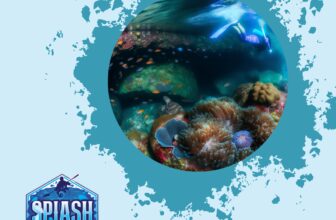
As a diver, I’ve had my fair share of exhilarating experiences underwater. But nothing compares to the thrill and mystery of night diving. The darkness adds another layer of excitement to an already incredible experience.
The calm, quiet, and stillness at night allow you to connect with your surroundings on a deep level. It’s like entering an entirely new world.
Night diving offers divers a unique perspective on marine life that they wouldn’t normally experience during a daytime dive. At night, marine creatures that hide away in crevices during daylight hours come out to feed, mate or hunt which makes for fascinating viewing scenarios.
Some species such as certain octopuses will change colors and patterns when they feel threatened or need to communicate with other octopuses. I remember my first night diving experience vividly; I was immediately hooked by the serenity and beauty of it all.
As soon as we descended below the surface, everything became different – familiar creatures looked different under our dive lights, some animals were much more active while some were sleeping quietly nestled in their hiding places. It was like entering into an entirely different world from the one we knew up above.
The scintillating stars overhead only add to the beauty of night diving- it’s just too difficult not be awed by it all! Join me as I delve into what makes this activity so special- from equipment preparation and safety considerations to finding your way through dark waters and discovering nocturnal marine life- all will be revealed!
Why Night Diving is Different
Night diving, as the name suggests, involves diving after sunset when it’s pitch dark underwater. But this simple difference in timing of the dive makes a world of difference to your scuba diving experience. In this section, we will explore the differences in marine life behavior, visibility, and atmosphere at night and how these make night diving unique and thrilling.
Marine Life Behavior
The ocean is home to an array of creatures that are nocturnal or crepuscular (active during dawn and dusk). These creatures venture out at night for feeding and other activities.
As a result, you’re likely to witness different species than during a day dive. For instance, octopuses are active at night; they come out of their hiding places to hunt crabs and other small prey.
You might also spot lobsters crawling on the seabed or see schools of squid swimming around. Apart from seeing different species altogether, you’ll notice that marine life behavior changes too.
Some fish sleep in cracks or caves during the day and come out at night to feed. Others become more aggressive as they protect their territory under cover of darkness.
Visibility
Night dives offer a different perspective on familiar dive sites because visibility changes dramatically. Even with strong lights, you can only see so far ahead – creating an eerie feeling like you’re floating in space above an abyssal floor below – which adds to the thrill factor. However, some light-sensitive organisms like mollusks or coral polyps will close up as they sense your presence with your dive light beam – an unexpected phenomenon that may leave you fascinated by what has just transpired before your eyes.
Atmosphere
One thing divers report regularly about night dives is how peaceful it feels underwater—no hustle-bustle from boats or people above water—just the sound of bubbles and your own breathing. It’s a different world down there, where you feel more connected to nature than ever before. In addition, diving under the stars is often described as a surreal experience.
The serene atmosphere evokes a sense of calm that’s hard to describe, making night dives an ideal escapade to disconnect from the routine daily life and indulge in a unique adventure instead. All in all, night diving is a completely different experience compared to daytime diving- one that should be on every diver’s bucket list.
It offers an exciting opportunity to discover nocturnal marine life behavior, witness stunning bioluminescence displays or simply enjoy the peace and quietness of being submerged in darkness. So go ahead and take the plunge into those mysterious depths at night- trust us when we say it will be worth it!
Preparing for a Night Dive
Dive Lights and Glow Sticks: The Bare Necessities
One of the most important pieces of equipment for night diving is, without a doubt, a dive light. When you’re diving in darkness, you’ll need something to illuminate your path and help you find your way around.
There are two main types of dive lights: primary lights and backup or secondary lights. Primary lights are generally more powerful and used for lighting up larger areas, while backup or secondary lights are smaller and can be used in case your primary light fails.
Another useful piece of equipment to bring along on a night dive is a glow stick. Glow sticks can be attached to your gear or even yourself, making it easier for your buddy or other divers to keep track of where you are in the water.
Safety Concerns and Precautions: Staying Safe While Diving in Darkness
Night diving can be an amazing experience, but it’s still important to take safety precautions seriously. One of the most basic safety measures for any dive is the buddy system – always have someone with you who knows where you are and can help in case of an emergency. In addition, it’s a good idea to carry signaling devices such as an audible signaling device (like a whistle) and visual signaling gear (such as flares).
If something goes wrong during your night dive, these devices can make all the difference. Before heading out on a night dive, make sure all your gear is working properly.
Check that all tanks are filled correctly and that regulators work smoothly. By taking these precautions, you’ll be well-prepared for any scenario that may occur while you’re exploring the underwater world at nighttime.
A Final Note on Preparation
Before heading out on any diving adventure – especially one as unique as a night dive – it’s always a good idea to do some research ahead of time. Learn more about the specific spot you’ll be diving at, including any particular marine life or underwater features you should be aware of. Bring along a dive slate and pencil to take notes while you’re underwater, and don’t forget to have fun exploring the fascinating world that comes alive after dark.
Finding Your Way in the Dark
Let the Compass be your Guide
Navigating underwater can be challenging during the day, but it becomes even more difficult at night. One handy tool that divers often use to find their way in the dark is a compass.
By setting a course before descending, and following it underwater, divers can travel confidently to their destination. It may take some practice to get used to reading a compass at night, but once you become familiar with it, you’ll find that navigating using this tool is not as daunting as it sounds.
Follow The Light
The most common method of navigation on a night dive is by following dive lights. Dive lights are essential for illuminating your path and enabling you to see what’s in front of you.
Some divers prefer using powerful lights that provide bright illumination over long distances while others opt for smaller torches that offer more focused beams for close-up viewing. Whichever lighting option you choose, make sure it’s powerful enough to allow you to see far enough ahead and ensure that its batteries are fully charged or replaced before heading out on your dive.
Stay Aware of Your Surroundings
Maintaining awareness of your surroundings is crucial when diving at night since visibility is limited and things can happen quickly. Divers should always move slowly and carefully while monitoring their gear and surroundings as they go along. Pay attention not only to what’s in front of you but also look up occasionally towards the surface where boats or other objects might be passing overhead.
Also, stay aware of potential hazards such as sharp rocks or dangerous marine creatures lurking nearby. Finding your way in the dark while diving requires planning and preparation ahead of time with some helpful navigational tools like a compass and good-quality dive lights being extremely useful assets for any diving trip at nighttime.
Always remember though, staying aware of your surroundings is critical and should never be overlooked while diving at night. With careful preparation and an experienced dive buddy, night diving can be one of the most exhilarating experiences a diver can have.
Discovering Nocturnal Marine Life
The Thrill of Night Diving
Are you ready to explore the depths of the ocean and discover the magic of night diving? Night diving is a unique experience that offers an opportunity to explore a completely different world than what we see during the day.
The dark, mysterious atmosphere brings out a whole new set of nocturnal creatures that are rarely seen during daylight hours. These creatures come out at night to hunt, mate or avoid predators and have adapted over time to survive in this environment.
Unique Creatures of the Dark
Some of these nocturnal creatures include octopuses, squids, lobsters, crabs and many species of fish. These animals display distinctly different behaviors than those we see in daylight hours.
For instance, octopuses are known to come out from their hiding places at night to search for prey using their acute sense of smell rather than sight. Squid use bioluminescence not only as a method for attracting prey but also as a defense mechanism against predators.
Additionally, some species such as parrotfish undergo sex changes at night so they can mate with members of their own sex without being detected by predators. Also, due to low light levels at night, many species have evolved larger eyes or specialized cells called rods for better low-light vision.
Adaptations for Life in Darkness
While exploring these creatures’ habitats is fascinating enough on its own account, it is also interesting to study how they have adapted over time for life in darkness. One well-known adaptation is bioluminescence – the ability to produce light through chemical reactions within their bodies. Some organisms use this ability as camouflage by producing light similar to moonlight which helps them blend into their surroundings while others use it as a warning signal when threatened by predators or perhaps simply just as a mating ritual.
It can also be used to attract prey by mimicking other bioluminescent species or by producing flashes of light that lures fish in. In addition, some creatures have developed unique ways of using sound to navigate in the dark.
For example, dolphins use echolocation to locate objects and communicate with each other while hunting at night. The adaptations that nocturnal marine life has undergone are fascinating and offer insights into how creatures can evolve in unexpected ways based on their environment.
The Magic of Bioluminescence
What is Bioluminescence?
Bioluminescence is the ability of living organisms to produce light through a chemical reaction. This remarkable feature can be found in various marine creatures such as jellyfish, plankton, and deep-sea fish. The bioluminescent organisms are able to produce their own light by combining two chemicals: luciferin and luciferase with oxygen to create light energy.
The function of bioluminescence varies among species; some use it for defense mechanisms such as distracting predators by emitting a bright flash of light while others use it for communication purposes such as attracting mates or luring prey. There are also creatures that use bioluminescence to navigate through dark waters or attract symbiotic partner organisms.
Bioluminescent Creatures Divers May Encounter on a Night Dive
As a diver, experiencing the magic of bioluminescent marine life during a night dive can leave you awestruck. During your dive, you may encounter various bioluminescent creatures such as fireflies squids, comb jellies, dinoflagellates, and many types of flashlight fish. One particularly fascinating example is the pyrosome – an organism made up of many smaller animals that work together in perfect harmony to form one giant glowing structure.
Pyrosomes can range from just under an inch long up to 60 feet long! They often float in the open ocean at night and are mesmerizing to watch as they pulse with light.
Another creature divers may encounter during night dives is the brittle star which has tiny photophores along its arms that create patterns as it moves through the water. The patterns created by these stars are truly mesmerizing and watching them dance through the darkness never gets old.
Diving at night opens up a whole new world full of magic, mystery, and wonder. Experiencing bioluminescence firsthand is a fascinating and humbling experience that has left many divers awestruck and inspired.
Conclusion
Night diving is an exhilarating and unique experience that offers the opportunity to explore the underwater world in a whole new way. The differences in marine life behavior, visibility, and atmosphere make for a thrilling adventure that is not found in daytime diving. From bioluminescent creatures to octopuses and other nocturnal marine life forms, there is something special about encountering these creatures under the cover of darkness.
Preparing for a night dive requires some extra planning and precautionary measures but it is well worth it. Divers need to ensure they have the right equipment such as dive lights, glow sticks, signaling devices, and more importantly be accompanied by a buddy system.
Navigating their way through darkness also needs special attention since maintaining awareness of surroundings can prevent divers from getting lost or disoriented. Despite its unique challenges, night diving offers incredible rewards that make it an unforgettable experience.
It provides an opportunity to see marine life in action when they are most active which makes every moment spent on it really worth it. Night dives are perfect for adventurous souls who want to explore beyond their limits while still being able to indulge in the beauty of nature.
Night diving may seem intimidating at first due to its challenges but once you embrace the darkness, you’ll find an entirely different world waiting underneath the surface – one full of magic and awe-inspiring sights. So gather your gear and let’s dive into the dark!