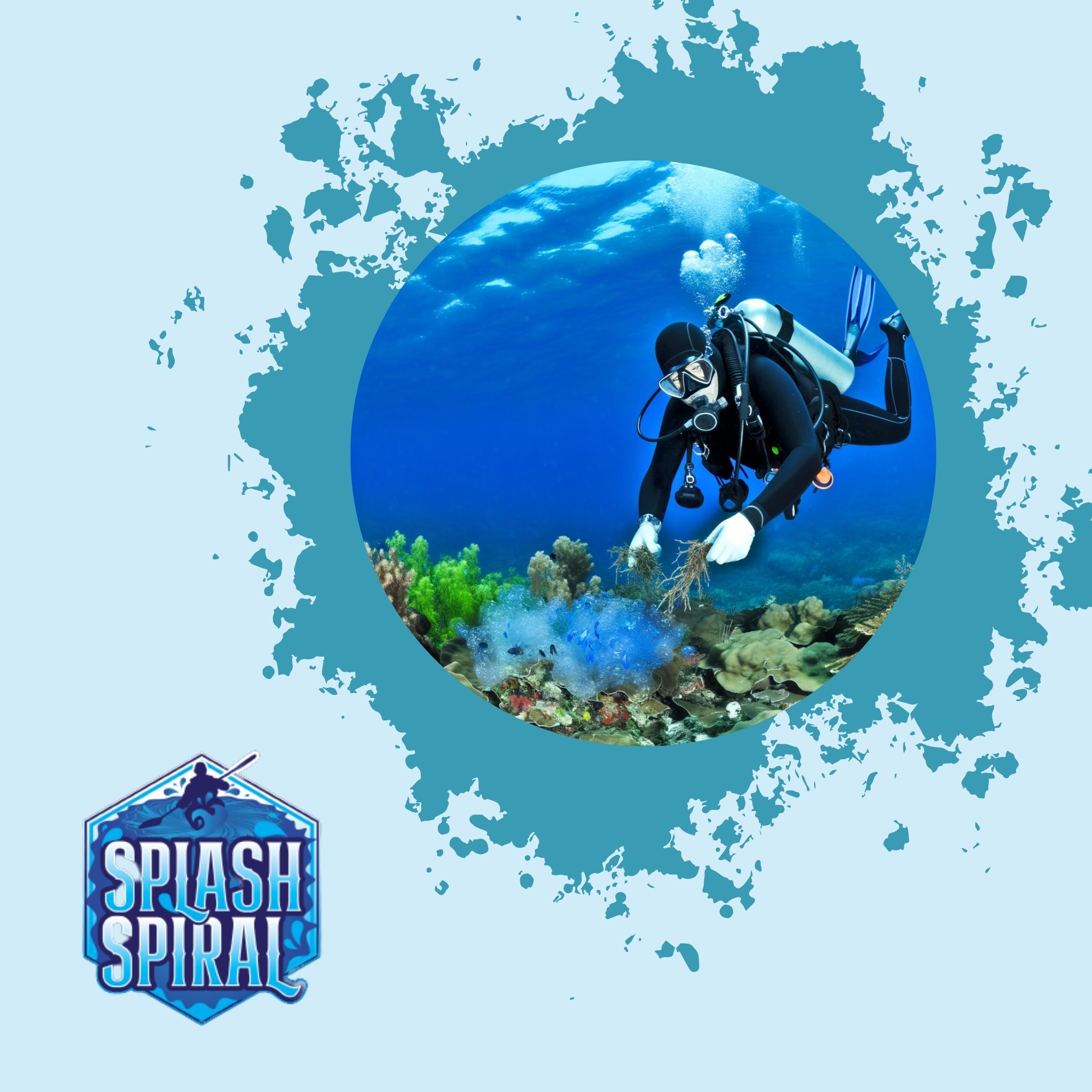
Jumping into the ocean might be a thrill for many, but did you know your dive can also have a broader environmental impact? Invasive marine species pose a significant threat to underwater ecosystems, and divers are uniquely positioned to help control them. This guide highlights the important role scuba divers play in managing invasive species and maintaining marine biodiversity. Stick around to learn the practical steps you can take to contribute to this crucial environmental effort.
Introduction
Invasive marine species are plants, animals, or microorganisms that are not native to a particular ecosystem and whose introduction causes, or is likely to cause, harm. These invaders can have a crippling impact on underwater environments, often outcompeting native species for resources, altering habitats, and disrupting the natural balance of marine life.
The importance of controlling invasive marine species cannot be overstated. Left unchecked, these species can cause irreversible damage to delicate ecosystems, leading to a loss of biodiversity and the degradation of habitats crucial for many marine creatures.
Here’s where scuba divers come into the picture. Divers have a unique vantage point and the hands-on ability to help identify and control invasive species. By becoming informed and actively engaging in conservation efforts, divers can play a pivotal role in maintaining the health of our oceans. In this guide, we'll explore practical steps you can take to contribute to this vital cause while enjoying your underwater adventures. Dive in and discover how you can make a splash in the fight against invasive marine species.
Understanding Invasive Marine Species
Invasive marine species are non-native organisms that have found their way into ecosystems where they don't naturally belong. These species can be introduced through various means, such as ship ballast water, aquarium trade, or even through natural migration accelerated by climate change. Once established, invasive species can wreak havoc on their new environments, often outcompeting native species for resources like food and habitat.
The impact of invasive species on underwater ecosystems can be profound. They can disrupt the delicate balance that maintains biodiversity, lead to the decline or extinction of native species, and alter habitats. For example, lionfish, originally from the Indo-Pacific region, have become a significant problem in the Atlantic Ocean and the Caribbean Sea. Known for their voracious appetite and rapid reproduction, lionfish prey on a wide variety of smaller fish and invertebrates, thus compromising the health of coral reefs and other marine habitats.
Other common invasive species include the European green crab, which has spread along the coastlines of North America, and the zebra mussel, infamous for clogging waterways and damaging infrastructure. These species, among others, highlight the urgent need for effective management and control.
Understanding the threat posed by invasive marine species is the first step for divers to contribute meaningfully to their control. By recognizing the signs of an invasive presence and understanding their impact, you can be better prepared to take action. As divers, your unique perspective and access to underwater environments make you valuable allies in the fight against these ecological intruders.
The Role of Scuba Divers in Invasive Species Control
As a scuba diver, you’ve got front-row seats to the underwater world – a perspective few people get. This unique position isn't just for soaking in the beauty of marine life; it’s also a vital spot for helping manage invasive species. Divers are like the eyes, ears, and sometimes hands in the fight against these underwater invaders.
Identifying and Reporting
First things first: spotting the culprits. Invasive species can be tricky; they often blend into their new environments. But with experience and a bit of knowledge, you can learn to identify them. Keep an eye out for species that seem out of place or unusually abundant. Once you spot one, don’t just swim past. Report your sighting to local marine authorities or through networks that track invasive species. Many regions have databases or apps specifically for this purpose. Your report could be the first step in a targeted removal effort.
Getting Hands-On
If you're ready to go beyond just spotting and reporting, there are direct actions you can take. Participating in removal efforts is one of the most impactful ways divers can help. This could mean anything from hand-removing certain types of seaweed to taking part in specific lionfish hunts. Be sure to receive proper training before you dive into removal – handling invasive species often requires knowing specific techniques to avoid harm to yourself and the ecosystem.
Working with Organizations
Joining forces with marine conservation organizations amplifies your impact. These groups often have the resources and expertise to tackle invasive species effectively. They organize training sessions, removal dives, and data collection exercises. By collaborating with them, you’re tapping into a larger network of like-minded individuals working toward a common goal. Look for local organizations or global networks with a presence in your diving area.
Summary
You, as a scuba diver, have a special role in combating invasive marine species. It starts with learning to identify and report these invaders but can extend to active removal and collaboration with conservation groups. Your dives can be about more than exploration – they can be about preserving the underwater worlds that provide so much joy.
By taking these steps, you’ll not only enhance your diving experiences but also contribute meaningfully to the health of our oceans.
Practical Steps for Divers to Combat Invasive Species
So, you're geared up and ready to dive. Great! But diving isn't just about exploring; it's also a fantastic opportunity to protect our marine environments. Here's how you can make your underwater adventures count in the battle against invasive species.
Educate Yourself
First things first: knowledge is power. Before you even dip a toe into the water, take some time to learn about invasive species in the area where you'll be diving. Knowing what you're looking for can make all the difference. There are plenty of resources available—books, online courses, and local dive shops often have useful pamphlets. Understanding the impact these species have on the ecosystem will motivate you to take action. Plus, it’s always cool to share some nerdy marine facts with your dive buddies.
Spotting and Reporting
Once you're underwater, keep an eye out for anything that seems out of place. Identifying invasive species can be as simple as recognizing an unfamiliar plant or an odd-looking fish. When you do spot something unusual, take notes or even better, photos. Your smartphone in a waterproof case or a small underwater camera can be your best tools here. Reporting these sightings to local marine conservation authorities can provide valuable data for their efforts.
Participate in Organized Efforts
Many areas have dive clubs or organizations that organize clean-up dives and other conservation activities. These are great because they provide the structure and support you need to make a real difference. For instance, joining a coral restoration project can be both enlightening and incredibly fulfilling. Check out community setups or even specialized conservation programs to get involved. Not only will you be directly assisting in the removal or control of invasive species, but you'll also be diving with like-minded individuals who share your passion for the ocean. It's a win-win.
- Example Projects:
Just remember, every dive can be a step towards a healthier ocean. By educating yourself, keeping an eye out, and actively participating in organized efforts, you can turn your dives into more than just an adventure—you'll be making a tangible impact on marine conservation. Dive smart, dive safe, and dive with a purpose.
Gear and Techniques for Effective Invasive Species Control
When you're gearing up to tackle invasive species, the right equipment and techniques can make a huge difference. Here’s a rundown of essential gear and practical tips to help you dive effectively and safely while contributing to this important cause.
Recommended Gear for Divers
-
Mesh Bags: These are crucial for collecting invasive marine species. They allow water to flow through, making it easier to carry your haul back to the surface without added buoyancy.
-
Gloves: Thick, durable gloves are essential for handling species that may have spines or rough surfaces. This protects both you and the underwater environment.
-
Shears or Knives: Vital for cutting entangled marine life or removing species from their holdfasts. Choose tools that are rust-resistant and compact.
-
Underwater Slate and Pencils: Ideal for noting locations, species counts, or making sketches of unknown species. This can be invaluable for reporting findings to conservation authorities.
-
Marker Buoys: Helpful for marking locations of larger infestations that require follow-up dives or coordinated group efforts.
Safe Handling and Removal Techniques
-
Research Beforehand: Knowledge is power. Understand the specific invasive species you’re targeting, including their habitats, behaviors, and any special handling precautions.
-
Delicate Touch: Always handle marine life gently to minimize injury, both to the ecosystem and to yourself. Avoid tearing or crushing the organisms.
-
Cut, Don’t Yank: When removing species like lionfish or certain algae, use your shears or knife to carefully cut rather than yank them out. This ensures minimal disruption to the surrounding environment.
- Avoid Over-collection: Be mindful not to over-collect or disturb native species. Stick to your target invasive organisms.
Proper Disposal Methods
-
Surface Disposal: Once you're back on the boat or shore, ensure that captured species are securely contained. Use sealed buckets or bags to prevent them from re-entering the water.
-
Follow Local Guidelines: Always adhere to disposal guidelines provided by local conservation organizations. This may involve specific methods like freezing or incineration.
-
Document and Report: Make sure to document your findings and removal efforts. Report your data to local authorities or marine conservation bodies to assist in broader ecological tracking and management efforts.
By using the appropriate gear and mastering these techniques, you can make your dives not only thrilling adventures but also meaningful efforts in preserving marine ecosystems. Remember, as a diver, you’re uniquely equipped to play a vital role in combating invasive species. Dive smart, dive responsibly, and make a difference!
Case Studies: Successful Diver-led Invasive Species Control Projects
Lionfish Elimination in the Caribbean
Let's start with a big one—Lionfish in the Caribbean. Lionfish, an invasive species, have wreaked havoc on marine life across the region. Local diving communities took up the challenge and launched targeted removal programs. Divers armed with specialized gear participated in sanctioned lionfish hunting events, greatly reducing their numbers. The result? Significant improvement in coral reef health and a more balanced ecosystem.
Kelp Forest Restoration in California
In another impactful project, divers in California have been crucial in kelp forest restoration efforts. Purple sea urchins, left unchecked, had decimated vast areas of kelp. Partnering with marine biologists, divers engaged in regular urchin culling dives. This ongoing effort has seen the return of thriving kelp forests, helping to restore biodiversity and provide habitat for fish and marine mammals.
European Green Crab Control in Puget Sound
Puget Sound faced an invasive foe in the form of European green crabs. These crabs threatened local wildlife and eelgrass beds essential for different marine species. Divers here played a key role by trapping and removing these crabs. Through consistent monitoring and removal efforts, the diver-led initiative has kept the green crab population in check, allowing native species to recover.
Lessons Learned and Best Practices
From these projects, several best practices have emerged. First, focused, localized efforts produce tangible results. Second, collaboration with marine scientists enriches the effectiveness of removal strategies. Finally, consistent, long-term engagement is key to sustaining benefits. These cases offer a blueprint for divers worldwide to follow.
Inspirational Stories to Motivate New Divers
Consider Chloe, a novice diver who joined a local lionfish cleanup event. Initially hesitant, Chloe quickly learned the ins and outs of safely removing these predators. The experience was transformative, giving her a sense of accomplishment and a deeper connection to marine conservation. Her story isn't unique; it's a testament to the impact that dedicated divers, regardless of experience level, can have on preserving our underwater worlds.
In summary, success stories and firsthand experiences show that divers can and do make a difference. Whether you're targeting lionfish in the Caribbean or urchins in California, your efforts add up. So, strap on your gear, dive in, and be part of the solution.
Collaborative Efforts and Partnerships
If you’re looking to make a long-lasting impact in the fight against invasive marine species, the key lies in collaboration. Teaming up with other divers, local communities, and marine conservation organizations not only amplifies your efforts but also creates a network of support and shared knowledge. Let's break down how you can get involved and make a significant difference:
Why Collaboration Matters
Invasive species control is no small task; it requires comprehensive strategies, collective effort, and pooled resources. By working together, divers and other stakeholders can cover more ground, share vital information, and streamline efforts. Collaborative actions lead to more effective control measures and quicker responses to new threats.
How to Find and Join Local Conservation Groups
Starting can be as simple as a quick internet search. Look for local marine conservation groups, diving clubs with a conservation focus, or community organizations dedicated to environmental preservation. Local dive shops are also a good resource; they often have bulletin boards or newsletters featuring upcoming projects and events.
Online forums and social media platforms like Facebook have groups and pages dedicated to conservation diving. Engaging with these communities can connect you to local initiatives, volunteer opportunities, and other divers who share your commitment to preserving marine biodiversity.
Examples of Successful Partnerships
In places like Florida and Hawaii, divers have successfully collaborated with local authorities and conservation organizations to tackle the invasive lionfish problem. These efforts include organized "Lionfish Derbies" where divers compete to remove as many of these invasive predators as possible. The results? Hundreds of lionfish removed in a single event, and vital data collected to help manage the populations.
Another noteworthy example is the partnership between Coral Restoration Foundation and volunteer divers. By working together, they have successfully replanted thousands of corals, helping to restore damaged reefs and improve marine biodiversity. These success stories are a testament to what can be achieved through teamwork and coordination.
Getting Started
Start by reaching out to local organizations, joining community forums, and participating in events focused on invasive species control. Every bit helps, whether it's reporting sightings, participating in removal dives, or even just spreading awareness. Remember, as a diver, your unique vantage point and access to underwater ecosystems put you in a prime position to make a difference.
Collaborative efforts transform individual passion into collective action, yielding tangible benefits for our oceans. Dive into partnerships, and you’ll find that together, we can combat invasive species and protect marine ecosystems more effectively.
Continuous Education and Advocacy
Staying informed about the latest trends and data on invasive species is crucial for any diver committed to marine conservation. Continuous education is the backbone of effective advocacy. For beginners, this can start with reading up-to-date resources, attending seminars, and joining forums dedicated to marine biology and conservation.
Divers also have a unique platform to advocate for robust marine conservation policies. By sharing your experiences and findings from dives on social media, you can raise awareness among a broader audience. Additionally, participating in local conservation meetings or webinars can amplify your voice in these critical conversations.
For those looking to deepen their involvement, there are numerous resources available to refine your understanding and skills. Websites like the Reef Environmental Education Foundation (REEF) offer various courses and certifications that can enhance your knowledge and efficacy in combating invasive species. Furthermore, partnering with organizations like Project AWARE can provide avenues for more structured advocacy.
Remember, your journey as a diver doesn't end when you surface. Continuous learning and proactive advocacy are essential in making a lasting impact on our underwater ecosystems. Keep diving and keep learning; the ocean needs champions like you.
Conclusion
Let's wrap it up. Invasive marine species pose a real threat to the balance of our underwater worlds. As a diver, even at the beginner level, you've got a unique set of eyes and hands to be part of the solution. Remember, every time you dive, you’re not just exploring but also potentially helping in controlling these intruders.
From educating yourself about what these invasive species look like to reporting them and joining clean-up dives, you're taking actionable steps that can make a difference. Your involvement not only helps keep the marine ecosystem thriving but also inspires others to play their part in this crucial environmental effort.
So, next time you plunge into the deep blue, remember you're not just a visitor—you're a protector. Stay informed, stay engaged, and let your love for diving contribute to a healthier ocean for everyone. Happy and responsible diving!
Resources and Further Reading
Starting your journey into scuba diving and combating invasive species doesn’t have to be overwhelming. Equip yourself with knowledge and inspiration from these resources:
Scuba Diving Basics
- Scuba Diving Basics: If you're new to scuba diving, this guide will help you get started, covering the essentials from equipment to safety protocols.
Marine Biodiversity Hotspots
- Marine Biodiversity Hotspots: Learn about the most species-rich underwater locations and understand the importance of preserving these hotspots.
Coral Restoration Projects
- Coral Restoration Projects: Discover how you can actively participate in coral restoration efforts and help build resilient marine ecosystems.
By educating yourself and taking action, you can dive into a new role as a protector of our oceans!