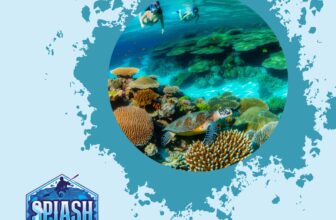
So, you've decided to take the plunge into the watery world of underwater photography. Fantastic choice! Capturing the mystique of the deep blue can be incredibly rewarding—if you know how to get started. This guide is tailored for those just beginning their journey in diving photography. We’ll cover the essentials, from picking the right gear to mastering lighting and capturing stunning shots of marine life.
Introduction
Dipping your toes into underwater photography is like unlocking a hidden world teeming with vibrant colors, fascinating creatures, and surreal landscapes. It’s an adventure that combines the thrill of diving with the artistry of photography, offering a unique way to capture the beauty beneath the waves.
This guide is designed specifically for beginners, those just starting their underwater journey. We'll break down the essentials step-by-step, making sure you have a solid foundation before you even think about hitting the shutter button while submerged.
Understanding the Basics
Understanding the basics is crucial. It’s not just about getting familiar with your gear but also about honing skills like buoyancy and stability—key elements that can make or break your underwater shots.
Necessary Equipment
- Cameras: Choose a model suitable for underwater conditions.
- Protective Housings: Ensure your gear stays dry and functional.
- Strobes and Lenses: Improve lighting and image quality underwater.
Basic Techniques
- Underwater Lighting: Master the art of using strobes and natural light.
- Framing Your Subjects: Learn how to compose your shots for eye-catching images.
By the end of this guide, you'll have a comprehensive overview of what it takes to succeed in underwater photography. Whether it’s capturing the slow sway of coral or the sudden dart of a curious fish, you’ll be ready to take on the challenges and reap the immense rewards this genre offers.
So, strap in—it's time to dive deep into the captivating world of underwater photography.
Why Start with Underwater Photography? <–
So, why should you dive into the fascinating world of underwater photography? Well, there’s something inherently magical about capturing the hidden treasures beneath the waves. The underwater environment offers a whole new realm of subjects—clownfish, coral reefs, shipwrecks—that you simply can't find on land. Plus, the colors, textures, and movements you’ll encounter make for breathtaking photos.
But it's not all smooth sailing. Underwater photography comes with its own set of unique challenges that even seasoned photographers find intriguing. The water's density affects light and color, making everything appear different from how it does in the air. You'll need to master buoyancy so you can stay steady while shooting, tackle tricky lighting conditions, and ensure your equipment is waterproofed and functioning correctly.
There’s also a special relationship between diving and photography. Being an underwater photographer often means being a thoughtful diver first. You have to be mindful of marine life and the ecosystem, ensuring your presence doesn’t disturb the natural habitat. It’s an opportunity to develop a deep respect for the ocean and its inhabitants while honing your photographic skills.
In short, underwater photography offers unparalleled rewards: the thrill of exploration, the satisfaction of overcoming unique challenges, and the joy of capturing the ocean's beauty. Whether you're documenting your dive adventures or aiming to win photography contests, the underwater world is a canvas waiting for your creative touch.
Essential Gear for Underwater Photography
Choosing the Right Underwater Camera
For beginners, selecting the right underwater camera is crucial. Look for a camera that's compact, easy to use, and doesn't break the bank. Some of the key features to keep an eye on include:
- Waterproof Depth Rating: Ensure the camera is rated for the depth you plan to dive.
- Manual Controls: These allow more flexibility when adjusting settings underwater.
- Image Quality: Look for a camera with good resolution and the ability to shoot in RAW format for better post-processing.
- Battery Life: Opt for a camera with a decent battery life to avoid mid-dive power issues.
Beginner-friendly cameras like the Olympus Tough TG-6 and the SeaLife DC2000 are great starting points. They offer simplicity without compromising on quality.
Protective Housing: A Necessity
No matter how "tough" or "waterproof" a camera claims to be, investing in a good underwater housing is non-negotiable. Housing protects your camera from water pressure, leaks, and impacts while diving. Here’s what to keep in mind:
- Compatibility: Ensure the housing fits your specific camera model.
- Depth Rating: Choose housing that exceeds the maximum depth of your dives.
- Material and Build: Look for durable materials like polycarbonate or anodized aluminum.
- Controls Access: Make sure all essential controls are easily accessible through the housing.
Brands like Ikelite and Nauticam offer reliable housing options that cater to various camera models and budgets.
Additional Equipment
While the camera and housing are your main investments, a few additional pieces of gear can significantly enhance your underwater photography:
- Lenses: Depending on your subjects, you might want to switch between macro and wide-angle lenses. Macro lenses are perfect for capturing tiny critters, while wide-angle lenses excel in scenic reef shots and larger marine life.
- Strobes and Lighting Setup: Natural light diminishes quickly as you descend, making external lighting crucial. A good strobe or continuous light source can bring out the vibrant colors and details in your shots.
- Essential Accessories: Consider float arms to help with buoyancy control, and grip trays for better handling and stability of your camera setup. A good-quality lanyard also ensures you won't lose your gear in the depths.
Remember, your gear is an essential part of your underwater photography journey, but it’s your skills and creativity that will truly bring your underwater adventures to life.
Basic Techniques for Underwater Photography
Understanding Buoyancy and Stability
Getting your buoyancy right underwater is like setting a tripod on land—it's foundational. Buoyancy control will let you hover in place without floating away or sinking, giving you the stability to frame your shot perfectly. Begin with proper weighting; being too light or too heavy makes it harder to maintain your desired depth. Take a buoyancy control device (BCD) and practice inflating and deflating it smoothly. Your goal is to achieve a state where you can effortlessly maintain your position with minimal hand and fin movement. Always be mindful of your breathing, as deep breaths can make you ascend, while exhaling can cause you to sink.
Lighting: The Game Changer
Lighting underwater is trickier than on land. Water absorbs light and reduces visibility, making everything appear blue and green. Natural light can be your friend, especially in shallow dives. Position yourself so the sunlight is coming from behind to illuminate your subject. For deeper dives or cloudy conditions, artificial lighting becomes essential. Invest in good strobes or video lights and learn to position them correctly to avoid backscatter (the pesky little particles that can ruin your picture). Artificial lights can bring back the lost reds and oranges, giving your photos vibrancy.
Composition and Framing
Composition underwater follows many of the same rules as on land, with a few twists. First, get close—then get closer. Water reduces the contrast, color, and sharpness, so proximity is crucial. Use the Rule of Thirds to position your subject off-center, giving your images a balanced look. Pay attention to your background; a clutter-free backdrop makes your subject pop. Utilize leading lines like coral formations or sun rays to draw the viewer's eye to the subject. Finally, don't just shoot; observe and anticipate your subject's movement to capture the perfect moment. With these basics, you're on your way to creating compelling underwater images.
Best Practices for Capturing Marine Life
Approaching Marine Life
Approaching marine life requires a delicate balance between curiosity and respect. Remember, you're a guest in their world. Move slowly and deliberately to avoid startling your subjects. Quick movements can scare away fish and other creatures, ruining a potential shot and potentially causing harm. Approach at an angle rather than head-on, and try to stay low to the reef or seabed. Think of yourself as part of the environment rather than an intruder. Patience pays off, as marine life is more likely to continue their natural behavior if they don't feel threatened.
Knowing Your Subject
Understanding the behavior of the marine life you're photographing can significantly improve your shots. Different species have varying levels of tolerance to human presence and respond differently to being approached. Learning about the habits and habitats of your subjects allows you to anticipate their actions and position yourself for the best shots. For instance, some fish are more active during certain times of the day, while others might be more approachable during feeding times. Resources like marine life field guides or websites dedicated to underwater photography can be invaluable. Knowing your subjects not only leads to better photos but also helps in protecting the delicate underwater ecosystems you're capturing.
Post-Dive: Reviewing and Editing Photos
Basic Photo Review
Once you've surfaced and settled, it's time to review the treasure trove of images you've just captured. Start by going through your photos to assess what worked and what didn't.
- Focus: Ensure your subject is sharp and stands out.
- Composition: Look for interesting arrangements that capture attention.
- Exposure: Check for properly lit images. Note any over- or underexposed areas.
Don’t be discouraged if many of your shots seemed off; the underwater environment is challenging, especially for beginners. Pay attention to how light behaves in your photos and use these insights to make adjustments for future dives.
Editing Essentials
Editing can elevate your underwater photos from good to great. Begin by selecting a user-friendly software like Adobe Lightroom or a free alternative like GIMP.
Key Editing Steps
- Adjust White Balance: Correct the colors to counteract the blue or green tint of underwater shots.
- Enhance Contrast and Clarity: Make your subjects stand out without oversaturating the image.
- Cropping: Improve composition by trimming the edges if your framing was off underwater.
Remember, the goal of editing is to highlight the natural beauty of your photos without making them look artificial. With practice, you'll develop an eye for what works best for your underwater photography.
Safety First: Essential Diving Tips for Photographers
When you're diving with a camera in tow, safety becomes paramount. Here’s a swift guide on how to keep both you and your equipment safe during the adventure.
Pre-Dive Preparations
Before you even hit the water, performing diligent pre-dive checks is crucial. This isn’t just a routine; it’s a lifeline. Failing to check your gear properly can lead to disastrous outcomes.
Start with a proper buddy check. Your buddy isn’t just a diving partner but your first line of support. Ensure both sets of gear are in top form—tanks full, regulators functioning, and mask seals perfect. Double-check your camera housing to make sure it's airtight and secure. A single drop of water inside can ruin your expensive equipment. To brush up on effective buddy checks, you might want to look into this Proper buddy check guide.
Also, verify that your underwater camera setup is dive-ready. This includes making sure batteries are fully charged, memory cards have ample space, and all seals are lubricated.
During the Dive
Once you’re submerged, a heightened sense of awareness is essential. You need to be vigilant about your surroundings while juggling the added responsibility of a camera.
Stay conscious of your depth and air supply. It’s easy to get absorbed in capturing the perfect shot and forget to check your gauges. Regular intervals to check your air and depth can stave off dangerous situations. Your buoyancy also plays a vital role—mastering it not only helps in stable photography but also prevents accidental damage to fragile marine environments.
Balancing photography with dive safety means occasionally putting the camera down to focus solely on your diving. A good rule of thumb: If you’re unsure about a shot, prioritize your well-being over a photo.
Post-Dive Care
After surfacing, the job isn’t done. Your gear has braved the elements along with you, and it needs immediate TLC.
Rinse your camera and housing in fresh water as soon as possible. Saltwater can be incredibly corrosive, so this step helps in prolonging the lifespan of your equipment. Pay special attention to the seals and moving parts, ensuring no salt or sand residue remains.
Store equipment in a cool, dry place and avoid exposing it to direct sunlight. Before packing it away, ensure everything is thoroughly dry, particularly inside the camera housing. A single droplet left to fester can lead to mold and other issues.
By following these safety measures, you can ensure that your focus remains on capturing the wonders of the underwater world, without compromising on safety. Dive smart, and let your photos tell the stories of your underwater encounters.
Staying Inspired and Continuously Learning
Join a Community
Alright, so you've got your gear, you've learned some basics, and you've even taken a few shots underwater. Now what? Well, to keep your momentum going, joining an underwater photography community is a game-changer. These communities, whether online forums or local clubs, offer a wealth of knowledge, support, and inspiration.
Imagine having a place to share your latest shots, get constructive feedback, and learn from others who’ve been in your fins. Not to mention, local clubs often organize group dives, allowing you to make new friends and pick up tricks of the trade from experienced divers. Some popular forums you might want to check out are Wetpixel and DivePhotoGuide—they’re teeming with tips, tutorials, and user-generated content.
Learning from Experts
Of course, no amount of peer advice can replace learning from the pros. Seasoned underwater photographers have been around the block—or reef—a few times and can provide invaluable insights. Many experts offer tutorials, write books, and share their experiences on social media platforms. For instance, following photographers like Alex Mustard or Ellen Cuylaerts can give you a fresh perspective and spark new ideas.
Consuming educational content is another must. There are countless video tutorials and blog posts that can help you refine your techniques, troubleshoot issues, and discover advanced methods once you’re comfortable with the basics. Books like "The Underwater Photographer" by Martin Edge are highly recommended resources that you’ll find indispensable as you delve deeper into this craft.
By staying engaged with a community and continually learning from experts, you'll keep your underwater photography journey both exciting and fulfilling. Happy shooting!
Conclusion
Recapping where we started and where we've journeyed through so far: mastering the basics of underwater photography is your foundational stepping stone. It’s not just about capturing stunning images; it's about understanding your equipment, perfecting your buoyancy, and respecting the underwater world.
As a beginner, your skills and confidence will grow with each dive. Start simple with your gear—opt for user-friendly cameras and reliable protective housing. Get comfortable navigating light and understanding how it transforms beneath the surface. Composition and framing may seem daunting but remember, effective photography is as much about patience and observation as it is about technique.
Keep reminding yourself: practice makes perfect. The more you dive and shoot, the more intuitive your skills will become. Learn to review your photos critically and don’t shy away from editing—they are both crucial aspects of refining your craft.
Safety should never take a backseat. Always prioritize it, whether you're gearing up pre-dive, managing your equipment underwater, or cleaning and storing it afterward. Photography should enhance your diving experience, not risk it.
Lastly, stay engaged and inspired. Join communities, soak up wisdom from seasoned pros, and continuously seek knowledge. Underwater photography is a journey, not a destination. Your next favorite shot is waiting for you, somewhere beneath the waves.
Ready to take your first dive with a camera? Let’s get underwater and start capturing this mesmerizing world!