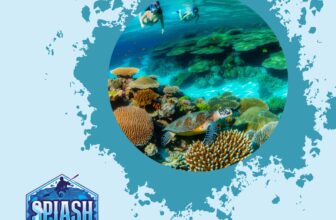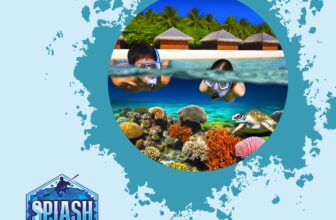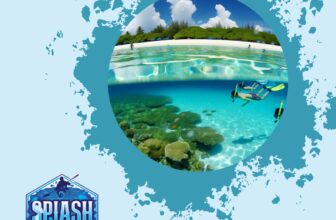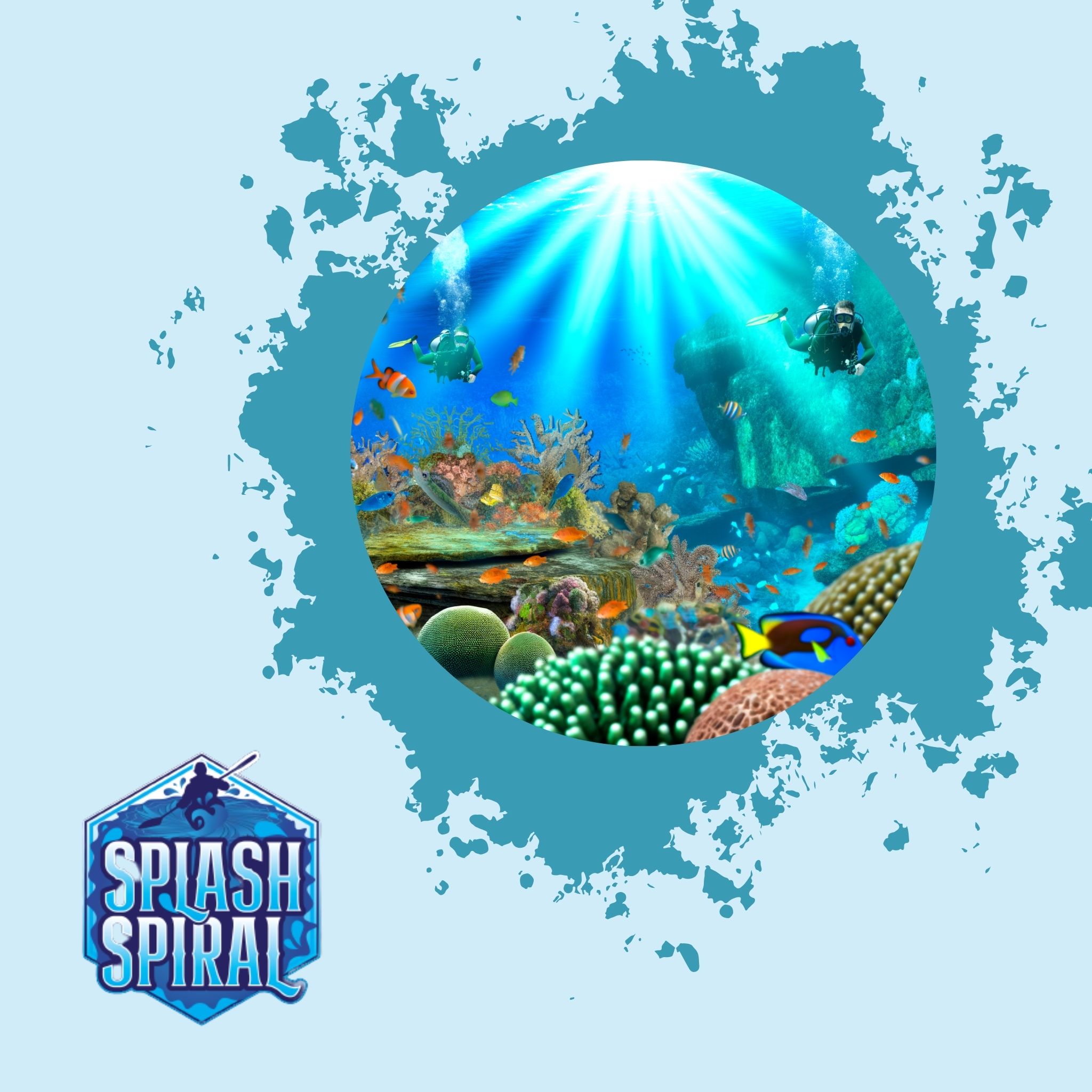
Diving isn’t just about the adrenaline rush; it’s also about witnessing the incredible spectacle of marine life. For those among us who seek both adventure and a deeper understanding of nature, diving in marine biodiversity hotspots offers the best of both worlds.
Introduction
What Are Marine Biodiversity Hotspots?
Marine biodiversity hotspots are regions of the ocean that boast an extraordinarily high variety of marine life. These areas are teeming with different species, from vibrant corals and tiny invertebrates to majestic sea turtles and elusive sharks. They're the underwater equivalent of a metropolis, bustling with life and interaction.
Importance of Exploring These Hotspots
Exploring these hotspots isn’t just about personal adventure; it's a chance to witness the fragility and resilience of marine ecosystems. However, it's crucial to approach these sites with a sense of responsibility.
Sustainable Diving Practices
Divers must practice sustainable diving to ensure that these vibrant ecosystems remain healthy and thriving for generations to come. This involves:
- Following Local Regulations: Adhere to any rules or guidelines set by local authorities.
- Avoiding Physical Contact with Marine Life: Keep a safe distance from all marine creatures.
- Respecting Natural Habitats: Be mindful not to disrupt the environment, including not touching corals or removing any sea life.
By practicing these principles, we can help protect and preserve the incredible biodiversity found in these marine hotspots.
Understanding Marine Biodiversity Hotspots
So, what exactly makes a spot a marine biodiversity hotspot? Simply put, these are areas teeming with various marine species—think of them as underwater jungles. They aren’t just places with lots of fish, but locales where the sheer variety of life is mind-blowing: from corals and sponges to big predators like sharks and rays.
Species richness is the key indicator here. It's like the number of different types of items you find in a store. If one store has ten types of candy and another has a hundred, the second has greater species richness (in candy form). In marine biodiversity hotspots, you’ll find a high count of different species, many of which you might not see elsewhere due to geographic isolation, unique environmental conditions, or specific evolutionary histories.
Why does it matter? Marine ecosystems are the engines running the oceanic machinery. Corals, for instance, protect coasts and provide habitats for fish. Algae produce a good chunk of the oxygen we breathe. Predators help keep the ecosystem balanced. High species richness means these ecosystems are usually healthier and more resilient to changes, like climate shifts.
In essence, diving in these hotspots offers a glimpse into the heart of oceanic life and its innumerable connections. Whether you’re marveling at a vibrant coral reef or spotting a rare fish species, you’re observing intricate, thriving ecosystems that play critical roles in our planet’s biodiversity.
Top Diving Locations for Species Richness
Diving in marine biodiversity hotspots means encountering a diversity of species that you won't find anywhere else. Here are some of the top locations around the world where you can see some incredible marine life:
The Coral Triangle
Spanning Indonesia, Malaysia, the Philippines, Papua New Guinea, Solomon Islands, and Timor-Leste, the Coral Triangle is often referred to as the "Amazon of the seas." It holds the highest marine biodiversity in the world, making it a paradise for divers. Key destinations within this area include:
- Raja Ampat, Indonesia: Famous for its staggering range of soft corals, Raja Ampat is home to over 1,300 fish species and 75% of the world's known coral species.
- Tubbataha Reefs, Philippines: A UNESCO World Heritage Site, this marine and bird sanctuary is known for its pristine coral reefs, large marine life, and clear waters.
The Great Barrier Reef, Australia
Located off the coast of Queensland, the Great Barrier Reef is the largest coral reef system on Earth, stretching over 2,300 kilometers. It offers a wide variety of underwater experiences:
- Cod Hole: Known for its friendly potato cod, this dive site gives you the chance to interact with these large, charismatic fish.
- Ribbon Reefs: Stretching along the edge of the continental shelf, these reefs offer spectacular underwater landscapes and vibrant marine life.
The Red Sea, Egypt
The Red Sea is renowned for its unique marine life, stemming from its geographic isolation. It features some of the most colorful and diverse coral reefs in the world:
- Ras Mohammed National Park: Located at the southern tip of the Sinai Peninsula, it's celebrated for its clear waters, coral walls, and schools of fish.
- The Blue Hole: Near Dahab, this iconic dive site is known for its deep blue waters and thrilling vertical drops.
Galapagos Islands, Ecuador
Famous for their evolutionary significance, the Galapagos Islands offer divers a chance to see species that exist nowhere else on Earth:
- Darwin Island: A magnet for schools of hammerhead sharks, whale sharks, and impressive marine life, it’s often described as one of the world’s best shark diving destinations.
- Wolf Island: Known for strong currents and rich biodiversity, it offers encounters with large marine animals like whale sharks, rays, and dolphins.
Cocos Island, Costa Rica
Located hundreds of kilometers off the coast, Cocos Island is famed for its pelagic species, offering thrilling dives with large ocean dwellers:
- Alcyone: Renowned for sightings of massive schools of hammerhead sharks, this underwater seamount is a top spot for encountering big marine life in open water.
Each of these locations offers a unique diving experience filled with unparalleled species richness and ecological significance. Whether you're drawn to the vibrant corals of the Coral Triangle or the awe-inspiring sharks of Cocos Island, these hotspots provide unforgettable underwater adventures that highlight the incredible diversity of our planet's marine life.
The Role of Conservation in Biodiversity Hotspots
Diving in marine biodiversity hotspots isn't just an immersive way to witness awe-inspiring underwater ecosystems, it's also a golden opportunity to contribute to global conservation efforts. As beginner divers, you have a unique chance to combine your passion for diving with a commitment to preserving these precious environments. Conservation travel is more than a buzzword; it’s a way to ensure that these underwater paradises remain vibrant for future generations.
The Need for Responsible Diving
Exploration of these hotspots comes with a responsibility. Threats like climate change, overfishing, and pollution are shrinking the populations of many marine species. Awareness and responsible diving practices can make a big difference. Minimal impact diving includes:
- Maintaining proper buoyancy to avoid touching corals
- Not collecting souvenirs
- Sticking to established dive paths
These practices help reduce stress on fragile ecosystems.
Supporting Marine Conservation
To be part of the solution, you can support organizations and projects dedicated to marine conservation. Key groups include:
- Coral Triangle Initiative
- Great Barrier Reef Marine Park Authority
- Mission Blue
Ways to participate:
- Volunteering on conservation dives
- Advocating for responsible travel
- Making donations to support ongoing research and restoration efforts
Embrace Your Role as a Steward
Embrace your role as a steward of the seas. Every careful dive and supportive action contributes to the health and richness of our underwater worlds. By diving responsibly and participating in conservation efforts, you help ensure that these biodiversity hotspots continue to flourish, offering their wonders to divers for years to come.
Practical Tips for Divers in Biodiversity Hotspots
Diving in marine biodiversity hotspots can be one of the most exhilarating experiences, particularly if you're just starting out. However, it's important to approach these environments with care and respect to preserve their beauty and diversity. Here are some practical tips to ensure you dive responsibly and maximize your enjoyment:
1. Get Proper Training
- Certifications: Ensure you have the necessary certifications before diving in biodiversity hotspots. Many of these locations require advanced skills due to depth, currents, and delicate ecosystems.
- Specialty Courses: Consider taking specialty courses such as underwater naturalist or coral reef conservation to better understand and appreciate the environments you're diving in.
2. Gear Up Wisely
- Equipment Maintenance: Use well-maintained equipment to avoid potential mishaps underwater. Make sure your dive computer, regulators, and buoyancy control devices are in top condition.
- Eco-Friendly Gear: Opt for gear that minimizes impact on marine life. For instance, use reef-safe sunscreen to prevent damaging coral reefs.
3. Plan Your Dive, Dive Your Plan
- Research: Always do thorough research on your selected dive site. Pay attention to the best seasons for diving, typical water conditions, and what you can expect to see.
- Stick to the Plan: Stick to your dive plan, especially regarding depth and time limits, to avoid decompression sickness and other risks.
4. Practice Buoyancy Control
- Buoyancy Mastery: Good buoyancy control is crucial in sensitive ecosystems. It prevents unintentional contact with corals and marine creatures.
- Reef Hooks: Spend time mastering buoyancy drills and consider using a reef hook in areas with strong currents to keep steady.
5. Respect Marine Life
- Observation: Observe marine life without disturbing it. Avoid touching corals, and give creatures like turtles and sharks plenty of space.
- No Interaction: Do not chase or attempt to ride animals. This not only stresses them but can also put you in danger.
6. Adhere to Local Regulations
- Local Guidelines: Make sure to follow all local regulations regarding protected areas, no-touch zones, and marine parks.
- Specific Rules: Many hotspots have specific guidelines, such as no anchoring or no fishing, designed to protect the ecosystem. Stick to them.
7. Minimize Your Impact
- Leave No Trace: Take nothing but pictures, leave nothing but bubbles. Avoid collecting souvenirs or disturbing natural habitats.
- Waste Disposal: Dispose of waste responsibly. If possible, participate in underwater clean-up dives to help maintain the health of the marine environment.
8. Support Local Conservation Efforts
- Contributions: Donate to or volunteer with local conservation organizations. They often work on preserving marine biodiversity and rehabilitating damaged ecosystems.
- Citizen Science: You can also support these efforts by participating in citizen science projects or coral restoration activities.
9. Stay Informed
- Continuous Learning: Keep up to date with new diving guidelines and conservation strategies by following reputable sources. This includes being aware of new legislation, protected areas, and marine reserves.
- Educational Resources: Check out educational resources like 10 Critically Endangered Marine Species: What Divers Should Know and How Scuba Divers Can Participate in Coral Restoration Projects.
By following these tips, you can enjoy the incredible biodiversity of these marine hotspots while ensuring their vibrancy for future generations. Happy diving and remember, the ocean’s wonders are best appreciated when left untouched.
Conclusion
Recap the unique experiences these marine biodiversity hotspots offer. Encourage readers to explore these locations responsibly. Inspire a commitment to the conservation of these precious ecosystems.
Diving in marine biodiversity hotspots isn’t just about ticking off a bucket-list experience; it’s an opportunity to witness the most vibrant and diverse underwater ecosystems on the planet. From the unparalleled species richness of the Coral Triangle to the evolutionary wonders of the Galapagos Islands, each hotspot offers a unique window into the marine world’s splendor. While the Great Barrier Reef displays an extensive coral empire, the Red Sea introduces divers to species found nowhere else on Earth. Meanwhile, Cocos Island offers adrenaline-filled encounters with pelagic giants.
However, the privilege of exploring these remarkable locations comes with a responsibility. Each diver plays a role in the preservation of these delicate ecosystems. By practicing responsible diving—such as minimizing physical contact with marine life, adhering to local regulations, and supporting conservation efforts—we ensure these underwater treasures can be enjoyed by future generations.
So, as you plan your next dive, remember that each plunge into these marine biodiversity hotspots is more than an adventure; it's a pledge to protect the wonders beneath the waves. Your journey into these aquatic realms will not only enrich your life but also contribute to the vital cause of marine conservation. Dive responsibly, explore passionately, and become a steward of the ocean’s incredible biodiversity.